


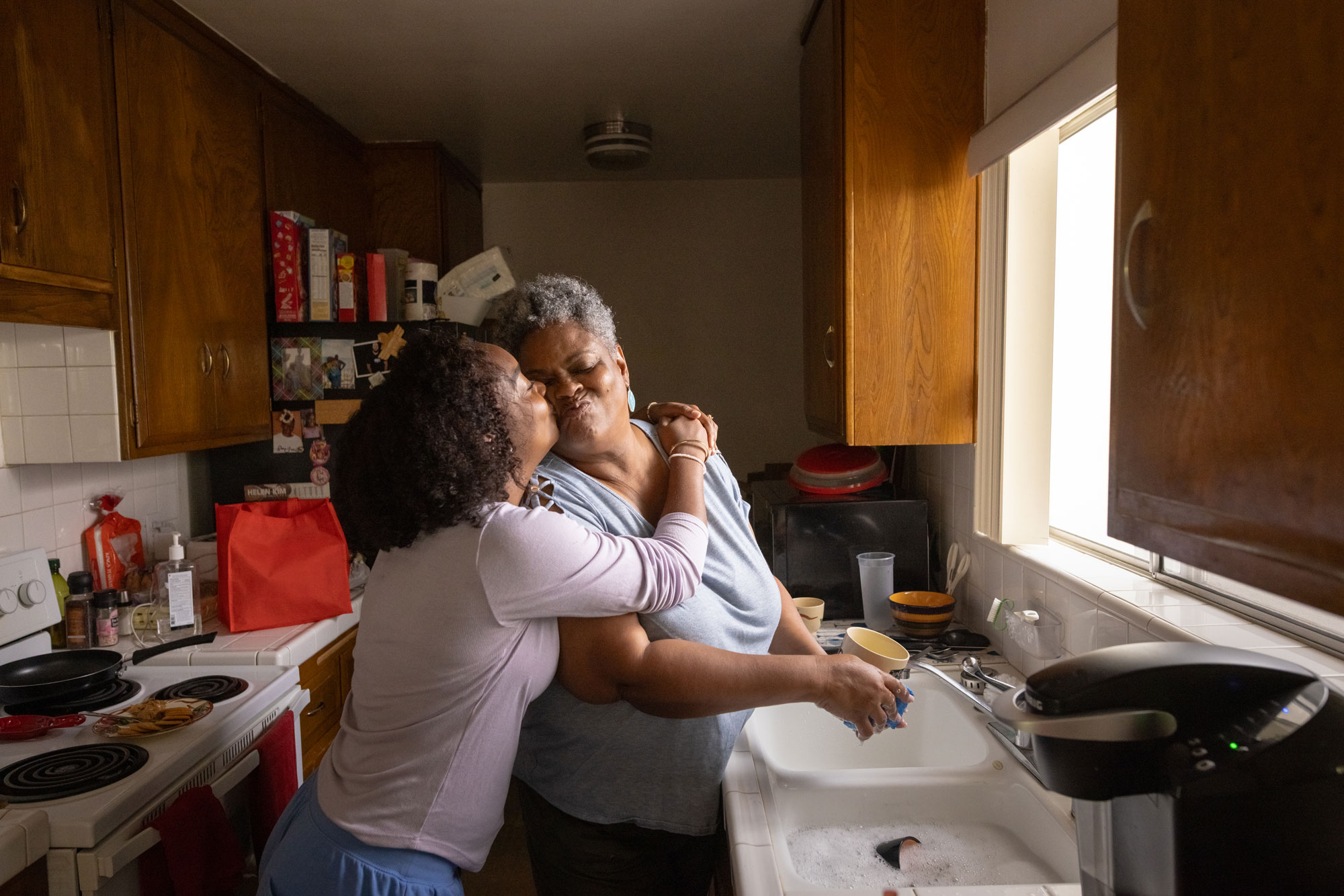
Historically, weight management has been framed as a matter of diet, exercise and willpower. But for many women, the experience is far more complex
From reproductive years through menopause and beyond, hormonal changes, life transitions and evolving health priorities can influence how women gain, lose and maintain weight. These factors can shape not only weight-related outcomes, but also overall well-being, confidence and long-term health
That’s why CVS Health® is taking a broader view
In our new report, Redefining Care: Weight Management as Women’s Health, we explore how a more personalized, whole-person approach to weight management can better support women throughout their lives. Drawing on real-world outcomes and survey insights from women participating in the CVS Weight Management™ program, the report highlights both the progress women are achieving and the challenges they continue to navigate
Women’s experiences with weight are not one-size-fits-all
More than 40% of women in the U.S. are living with obesity, and women experience severe obesity at higher rates than men. But statistics only tell part of the story. Women’s weight management journeys are often shaped by factors that traditional approaches may overlook, including hormonal fluctuations, mental health, caregiving responsibilities, sleep challenges and changes associated with aging
As GLP-1 therapies continue to expand treatment options, there is growing recognition that medication alone may not address all of the factors influencing long-term success. Nutrition, physical activity, behavioral support and education remain important components of sustainable weight management
What women told us
Among women surveyed in the CVS Weight Management™ program, many reported benefits that extended beyond <a href="https://healthylife7.com/kelly-osbourne-finally-addresses-weight-loss-concerns-i-wasnt-well/" title="Kelly Osbourne finally addresses weight loss concerns. 'I wasn't well'”>weight loss
More than eight in ten women said they were satisfied with the program, and many reported improvements in their perceptions of future health, quality of life and confidence in their ability to manage their weight over time
Women also expressed strong interest in personalized support, including progress-tracking tools, customized nutrition and exercise plans, educational content and access to health care experts. These findings reinforce the importance of solutions that meet women where they are and help them navigate their unique health journeys
Life stage matters
The report also found that women’s priorities and challenges can change significantly throughout life
Younger women were more likely to express interest in mental health rerimenopause and menopause, many women reported that hormonal changes affected their ability to manage weight and expressed interest in symptom support and hormone-related education. Later in life, concerns shifted toward mobility, bone health and maintaining physical function
These findings point to an important reality: weight management support that works for one woman may not be what another woman needs at a different stage of life
Looking ahead
As understanding of obesity and weight management continues to evolve, there is an opportunity to move beyond a narrow focus on pounds lost and toward a more holistic understanding of women’s health
At CVS Health®, we’re exploring how personalized support, behavioral health reer to help women achieve their health goals in ways that fit their lives. The goal is not simply weight loss, but supporting long-term health, resilience and well-being across the lifespan
To learn more, read the full report, Redefining Care: Weight Management as Women’s Health: A Life-Course Perspective Informed by Real-World Experiences
