

Close Menu
healthylife7.comhealthylife7.com

    Subscribe to Updates

    Get the latest creative news from FooBar about art, design and business.

    What's Hot

    Maine cancer rates fall, but leaders warn NIH cuts could stall progress

    September 2, 2026

    What’s the best small talk for an introvert at a work event?

    September 2, 2026

    Preventative eye health: Diabetes, glaucoma and protecting vision

    September 2, 2026
    Facebook X (Twitter) Instagram
    Trending
    • Maine cancer rates fall, but leaders warn NIH cuts could stall progress
    • What’s the best small talk for an introvert at a work event?
    • Preventative eye health: Diabetes, glaucoma and protecting vision
    • It’s Not Just Calories: How Fructose May Be Quietly Driving Weight Gain
    • Recovery ‘highly unlikely’ for ASU hockey player who collapsed in workout, lawyer says
    • Affordable Pop-Up Produce Stands Return to Combat Food Insecurity in Southern Nevada
    • 3 prominent Chicago-area hospitals to suspend OB services, Prime Healthcare announces
    • The women who dress their boyfriends as John Kennedy Jr. on TikTok
    Facebook X (Twitter) Instagram
    healthylife7.comhealthylife7.com
    • Home
    • Fitness
    • Health
    • Nutrition
    • Lifestyle
    • Conditions
    • Mental Health
    • Weight Loss
    • Wellness Tips
    Wednesday, September 2
    healthylife7.comhealthylife7.com
    Home»Conditions»Twenty-Five Years Later, the 9/11 Health Crisis Continues to Impact Responders
    Conditions

    Twenty-Five Years Later, the 9/11 Health Crisis Continues to Impact Responders

    healthylife7By healthylife7September 2, 2026No Comments5 Mins Read
    Facebook Twitter Pinterest LinkedIn Tumblr Reddit WhatsApp Email
    Twenty-Five Years Later, the 9/11 Health Crisis Continues to Impact Responders
    Share
    Facebook Twitter LinkedIn Pinterest WhatsApp Email

    Since 2003, the World Trade Center Health Program Clinical Center of Excellence at Rutgers University has provided clinical and mental health services to more than 6,500 people exposed to toxins on Ground Zero

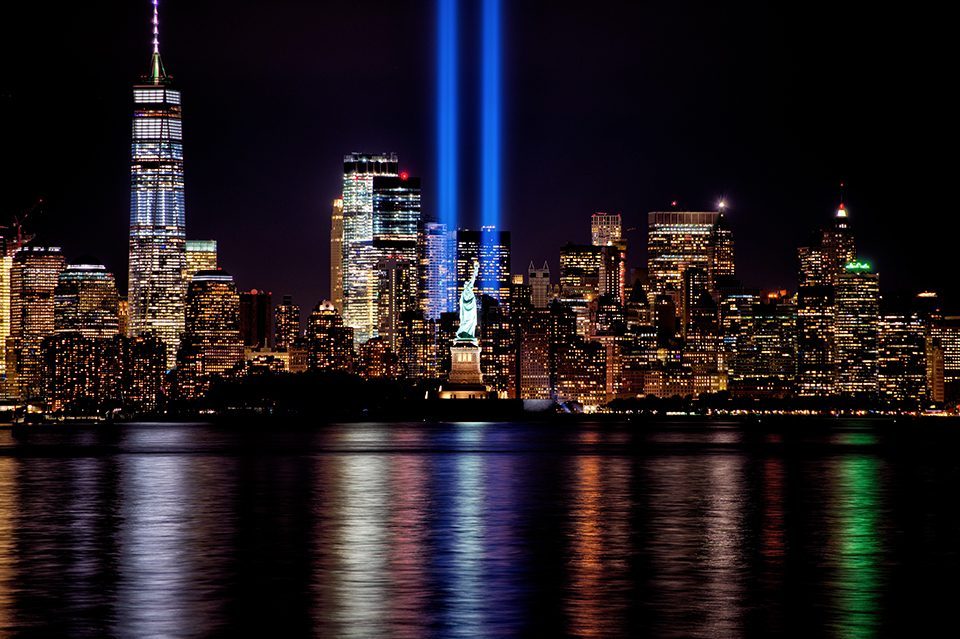
    A quarter of a century after nearly 3,000 people lost their lives in the events that took place on September 11, 2001, the World Trade Center Health Program is still treating first responders exposed to both trauma and toxins when they rushed to Ground Zero. 

    “One might think that 25 years is enough time to grieve,” said Jodi Streich, director of mental health services at theWorld Trade Center Health Programat Rutgers. “In reality, many who responded that day held in their grief for 25 years and only now are they ready to talk about it.”
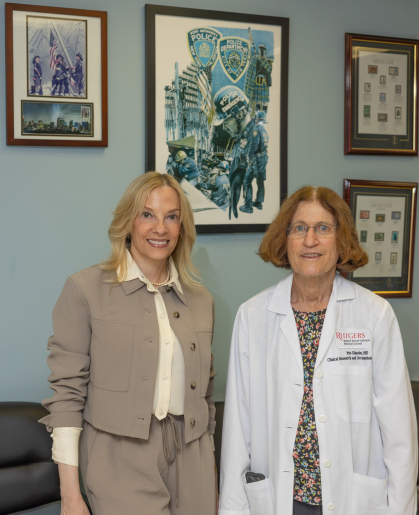
    Jodi Streich, director of mental health services, and Iris Udasin, medical director, at The World Trade Center Health Program Clinical Center of Excellence at Rutgers.
    Jodi Streich, director of mental health services, and Iris Udasin, medical director, at The World Trade Center Health Program Clinical Center of Excellence at Rutgers.

    Since 2003, the federally funded program has treated more than 130,000 people, according to the Centers for Disease Control and Prevention. More than 6,500 of them have relied on Rutgers for care of conditions ranging from respiratory, neuromuscular and gastrointestinal disorders to cancers, post-traumatic stress disorder, depression and anxiety 

    Frank Geffre, 61, a firefighter from Piscataway, N.J., spent time at Ground Zero supporting recovery efforts. In the years since, he’s had cancerous nodes on his sinus canal, colon cancer, and almost lost his left kidney because of intense radiation. Many of the people he worked with during those days have since died

    The WTC Health Program at Rutgers provided him with a community of support and a network of clinical and mental health services that saved his life – and then extended it, he said

    “I tell all 9/11 first responders,” that the Program at Rutgers “is the best there is.”

    Many of the patients share that sentiment. 

    “People feel recognized here,” Streich said. “They know they’re not alone.” 

    That sense of community can be especially important in August, when anniversary-related symptoms often intensify. 

    “When I train my trainees, I always say August is our heaviest month,” Streich said. 

    Think about what difficult jobs our patients had. They’re not just recovering from what happened on 9/11. They’re recovering from whatever happened to them when they were police officers, firefighters or first responders

    Medical Director, World Trade Center Health Program Clinical Center of Excellence at Rutgers

    The years immediately after 9/11 brought a surge in mental health needs among emergency workers, particularly those who left their jobs. Lockdowns during the COVID-19 pandemic brought another wave of retirements – and another wave of grief

    But many first responders who remained on the job suppressed their feelings, Streich said. Once they left, symptoms surfaced, often for the first time. This grief can be compounded by their own illnesses as well as trauma unrelated to 9/11. 

    “Think about what difficult jobs our patients had,” said Iris Udasin, medical director. “They’re not just recovering from what happened on 9/11. They’re recovering from whatever happened to them when they were police officers, firefighters or first responders.”

    The range of health challenges linked to working at Ground Zero continues to increase. Today, all cancers linked to 9/11 exposure are covered by the program, including uterine cancer, whichwas addedto the WTC Health Program List of WTC-Related Health Conditions in 2023

    “Latency for some cancers is 20 or 30 years, so we’re seeing more cancers than ever before,” Udasin said. “We’re also concerned about other chronic physical illnesses that could be related to WTC exposure.”

    Geffre shared about the invisible load caregivers carry, as well. His wife, who recently died, was his support system. As amazing as she was, she couldn’t always comprehend his mental anguish, he said. “It was hard for her to understand why I’d wake up at night in cold sweats, screaming or why some things were triggering,” he said

    As 9/11 responders age, they may face new health challenges. If they do, it’s natural that their grief would be compounded, Streich said
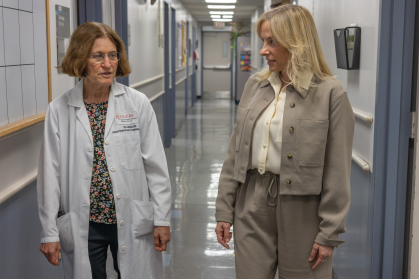
    Jodi Streich, director of mental health services, and Iris Udasin, medical director, at The World Trade Center Health Program Clinical Center of Excellence at Rutgers.
    Iris Udasin, Jodi Streich and the staff have cared for thousands of patients with conditions ranging from respiratory, neuromuscular and gastrointestinal disorders to cancers, post-traumatic stress disorder, depression and anxiety.

    To some, reflecting on the past is cathartic. The World Trade Center Health Program Clinical Center of Excellence at Rutgers will commemorate the 25th anniversary of 9/11with a ceremony to honor those who died and the first responders who answered the call

    “For many of our members, taking part in the commemoration itself – whether performing, speaking or simply standing together – is its own form of catharsis,” Streich said. “They’re not just honoring that day. They’re also paying tribute to who is standing alongside of them.”

    For others, a ceremony is not how they prefer to recognize the anniversary. Geffre, for instance, will be paying tribute in his own way by attending a Yankees-Mets baseball game with his son

    “As a first responder, ‘never forget’ brings up things that I don’t always want to remember,” he said. “Sometimes, I do want to forget.”

    The Rutgers University World Trade Center Health Program commemoration event will be livestreamed beginning at 9:30 a.m. on September 11, 2026. To watch live coverage, visit: https://go.rutgers.edu/911tributelive

    Crisis health Later Twentyfive years
    healthylife7
    • Website

    Related Posts

    Preventative eye health: Diabetes, glaucoma and protecting vision

    September 2, 2026

    Illinois reports first West Nile virus death of the year, in Chicago

    September 2, 2026

    FDNY wants feds to include cardiovascular disease, cognitive decline to 9/11 illness list

    September 2, 2026
    Leave A Reply Cancel Reply

    Health
    Health

    Maine cancer rates fall, but leaders warn NIH cuts could stall progress

    By healthylife7September 2, 20260

    Maine (WABI) – Cancer is one of the leading causes of death in Maine, but rates have declined nearly 13% from an all-time high in 2000. Health leaders say that progress could stall without help from lawmakers

    What’s the best small talk for an introvert at a work event?

    September 2, 2026

    Preventative eye health: Diabetes, glaucoma and protecting vision

    September 2, 2026

    It’s Not Just Calories: How Fructose May Be Quietly Driving Weight Gain

    September 2, 2026
    Stay In Touch
    • Facebook
    • Twitter
    • Pinterest
    • Instagram
    • YouTube
    • Vimeo
    Fitness

    Opinion: The FDA must put biotech at its center or continue to cede early research to China

    July 6, 2026

    Inside Elevance’s digital chronic disease management strategy

    July 6, 2026

    Best, Worst States For Well

    July 6, 2026

    What do the Middle Ages tell us about mental health then and now? VCU historian Leigh Ann Craig has answers

    July 6, 2026

    Subscribe to Updates

    Get the latest creative news from SmartMag about art & design.

    About Us

    Welcome to HealthyLife7.com, your trusted source for reliable health, wellness, fitness, and lifestyle information. Our mission is to help people make informed decisions about their health by providing clear, practical, and easy-to-understand content.

    At HealthyLife7.com, we believe that good health starts with the right knowledge. Whether you're looking for healthy eating tips, fitness advice, mental wellness strategies, weight management guidance, or information about common health conditions, our goal is to deliver valuable content that supports a healthier lifestyle.

    Fitness

    Maine cancer rates fall, but leaders warn NIH cuts could stall progress

    September 2, 2026

    What’s the best small talk for an introvert at a work event?

    September 2, 2026

    Preventative eye health: Diabetes, glaucoma and protecting vision

    September 2, 2026
    Health

    Opinion: The FDA must put biotech at its center or continue to cede early research to China

    July 6, 2026

    Inside Elevance’s digital chronic disease management strategy

    July 6, 2026

    Best, Worst States For Well

    July 6, 2026
    Facebook X (Twitter) Instagram Pinterest
    • About Us
    • Contact us
    • Disclaimer
    • Privacy Policy
    • Terms and Conditions
    © 2026 healthylife7.com. Designed by Pro.

    Type above and press Enter to search. Press Esc to cancel.