


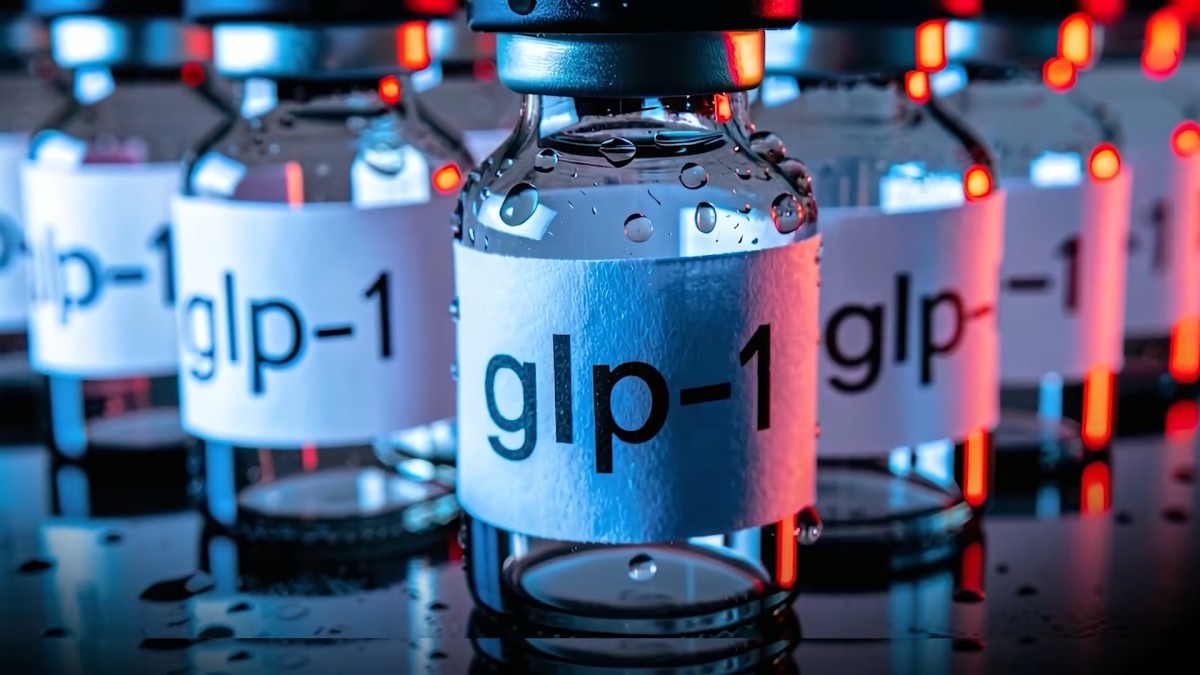

While the shortage of GLP-1 medications is over, safe medicine advocates say these compounded versions are being mass produced and flooding the market.
Compounded GLP-1 medications are mixed versions of the popular name brand weight loss drugs like Ozempic. They were initially created to address a drug shortage or an individual’s unique medical need
While the shortage of GLP-1 medications is over, safe medicine advocates say these compounded versions are being mass produced and flooding the market
Watch NBC Bay Area News free wherever you are
WATCH HERE
According to the FDA, unapproved GLP-1 medications can be riskier for patients, compared to approved drugs, because they don’t undergo the same federal review for safety, effectiveness, and quality before they are marketed
The agency has publicly warned about telehealth companies making false claims such as compounded drugs being the same as FDA-approved drugs. The FDA says patients should look out for significant discounts that seem too goo to be true, a lack of instruction, and a lack of screening by a licensed doctor
“I was rushed to the emergency room.”
Shawn Rose said when his insurance denied him coverage of a GLP-1 weight loss prescription in January, his primary doctor suggested telehealth, a virtual way to receive medical care
Living in Chicago, Illinois at the time, Rose downloaded Mochi Health’s app. He paid about a couple hundred dollars a month to the San Francisco-based telehealth start-up company and began receiving shipments of compounded semaglutide, which is the active ingredient in other approved medications like Ozempic
Local

space6 hours ago
Did we find dark matter? Here’s how a Bay Area lab is helping with the possible breakthrough

Millbrae6 hours ago
Demolition company donates hundreds of items from razed Millbrae inn
When asked about the price difference, Rose said it was substantial
“About a 75% saving based on what you would get at a doctor’s office,” he said. “The first hour to an hour and 15 minutes, I was rushed to the emergency room.”
Rose provided the Investigative Unit medical documents showing he went to the hospital multiple times. On TikTok, he documented his journey when he was admitted. He described not being able to hold down any food or water
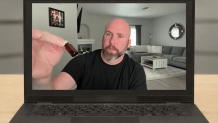
“I got so sick and there was a part of me that just thought I was going to die from it,” Rose said
Rose said Illinois state regulators are looking into his case and his complaint against a Mochi nurse . When he sent her a long message in the Mochi Health app saying he was hospitalized, she appears to simply respond, “I’m sorry to hear that Shawn. Good luck to you.”
Rose said investigators were also concern about
“I don’t know what I’m taking. I have no idea,” he said while holding up one of the
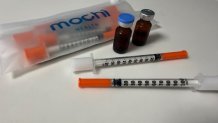
Telehealth companies advertising compounded GLP-1s
In June, the NBC Bay Area Investigative Unit reported on Mochi Health and the closure of a pharmacy is used in Washington after state investigators there found the pharmacy allowed and even directed untrained pharmacy assistants to compound GLP-1 drugs
Regulators also found unlicensed workers processing prescriptions, expired medications about to be sent to patients, and other alarming violations
The Investigative Unit called the pharmacy and Mochi Health several times about these issues but neither responded
At a health conference in San Francisco earlier this year, Mochi Health’s CEO Myra Ahmad didn’t want to answer our team’s questions in-person
WATCH THE INVESTIGATIVE UNIT’S REPORT ON MOCHI HEALTH AND AEQUITA PHARMACY
“There’s rarely any consequence for the harm onto patients that’s been done by the telehealth company,” Shabbir Imber Safdar said
Safdar is a certified fraud examiner and the executive director of the Partnership for Safe Medicines. He said the problems with Mochi Health point to a larger issue of telehealth companies mass marketing compounded weight loss drugs. Even though the drugs are unapproved, the supply has reached its highest volume in two decades creating what he sees as an industry-wide problem
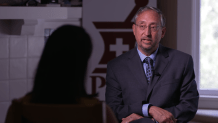
“They’re just doing it as a money grab,” he said. “We’re very concerned because these medicines are not made under the same safety regulation as the FDA approved drugs. They’re made from unnecessary medical reasons and they’re often just less safe.”
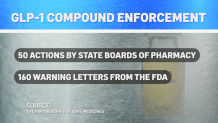
Since last year, the Partnership for Safe Medicines has tracked 50 actions by state boards of pharmacy against compounders operating unsafely. Those actions include probation and revoking licenses. They’ve also tracked 160 letters from the FDA to telehealth companies and compounders warning them about deceptive marketing
Concern of a lack of enforcement
“But the warning letters are only the start of the conversation about enforcement. They aren’t taking it to the next level,” Safdar said. “You’re not seeing enough of these get referred to the Department of Justice. You’re not seeing telehealth companies and compounders have their product recalled because they were deceptively sold.”
In an email to our Investigative Unit, the FDA said it “will continue to take action, where appropriate, to protect public health.”
The American Telemedicine Association said this is “not a telehealth issue, it’s a bad actor issue…[and] and subset of bad actors shouldn’t be used to cast doubt on telehealth as a delivery model.”
Safdar said the FDA still needs to do more to hold the industry accountable
“That industry is endangering patients, and they need to up their game,” he said
