


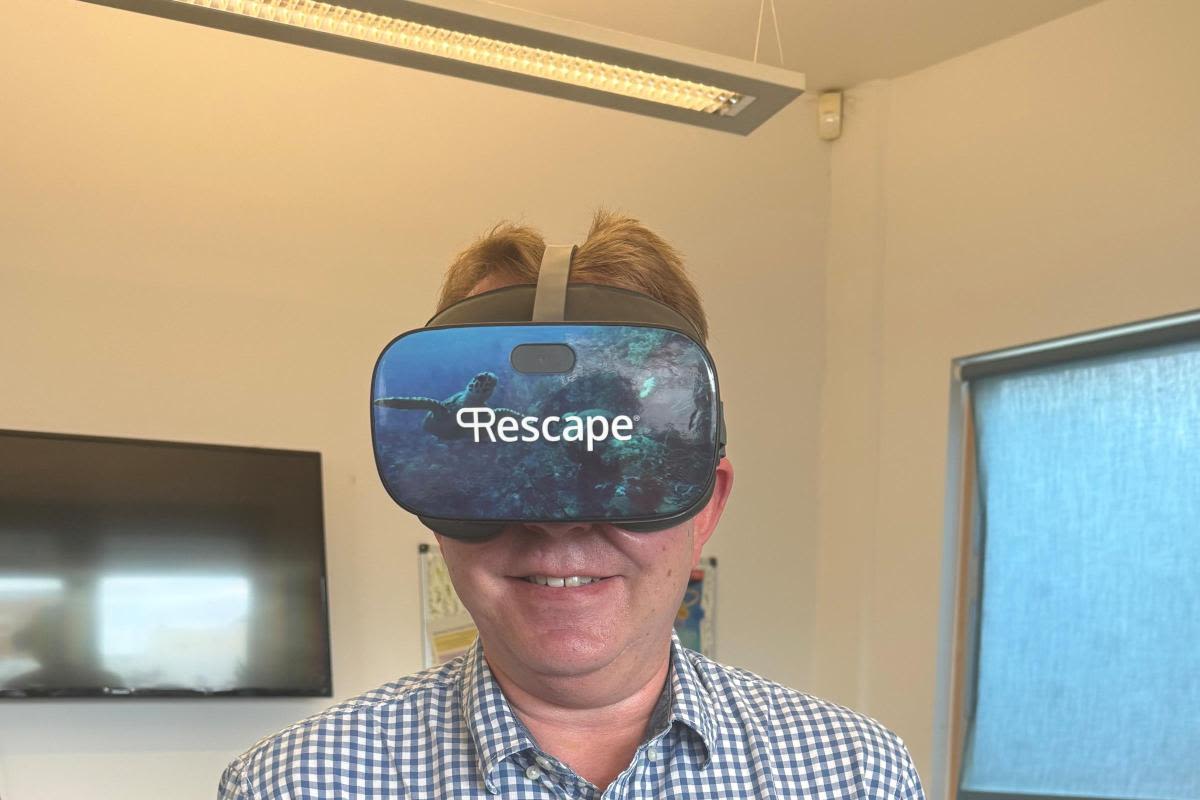
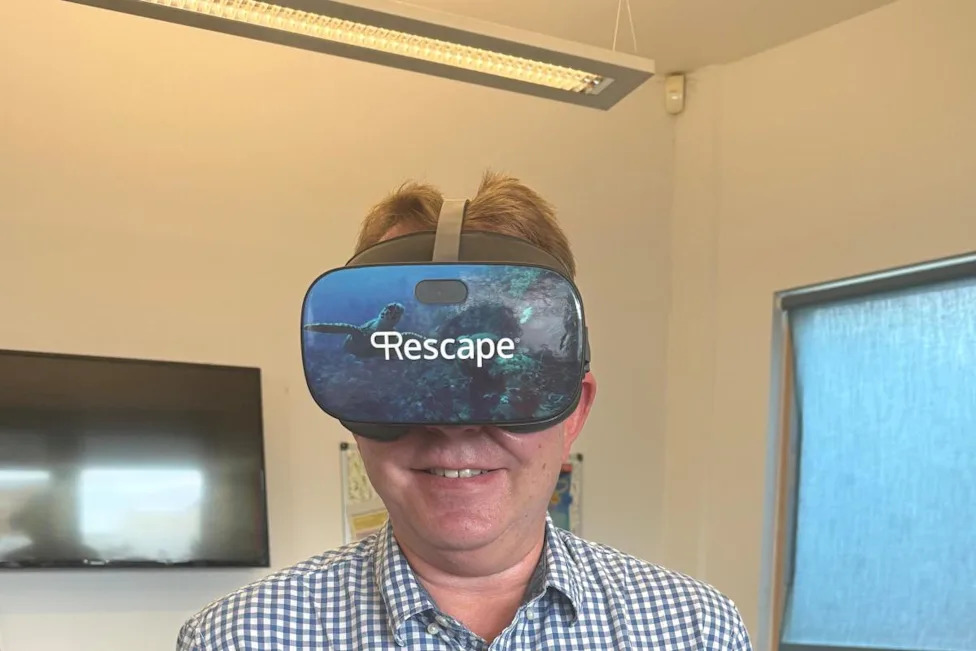
Virtual reality is being explored as a tool to help manage pain
Researchers at University Hospitals Sussex NHS Foundation Trust (UHSussex) have contributed to a study examining the benefits of VR for people with advanced cancer
The findings suggest VR could become a valuable part of palliative care
Professor Ollie Minton, consultant in end of life care and palliative medicine at UHSussex and co-lead of the study, said: “Now we have the beginnings of an evidence base that we can build on
Advertisement
Advertisement
“It is great that we can guide NHS teams to use VR successfully for pain, rather than it being purchased and left on the shelf
“The project provides a strong foundation for future research into how VR could support patients living with advanced cancer.”
The study found that immersive digital experiences delivered through VR headsets helped reduce pain and improve wellbeing
Participants’ pain scores dropped from a median of four to two while using the technology
All participants said they would like to use VR again
The research explored the use of VR as a complementary approach to managing pain, reducing anxiety and enhancing quality of life for people with advanced cancer
Charity volunteers brave the shave for counsellor living with cancer
<a href="https://www.theargus.co.uk/news/26503439.bike-shop-raises-7-000-<a href="https://healthylife7.com/whatever-happened-to-children-infected-with-hiv-due-to-failures-in-healthcare/” title=”Whatever happened to … children infected with HIV due to failures in healthcare?”>children-cancer/?ref=ial” rel=”nofollow noopener” target=”_blank”>Bike shop raises more than £7,000 for children with cancer
Charity ball to raise funds for ‘lollipops’ that could detect mouth cancer
The study was led by University College London and supported by the National Institute for Health and Care Research
Advertisement
Advertisement
It is part of UHSussex’s wider ambition to bring clinical research and treatments to people across Sussex
The VR experiences allowed patients to escape the clinical environment and immerse themselves in calming digital settings such as beaches, cities, walks and underwater environments
For many, the experience provided a welcome distraction from pain and anxiety
One patient said: “I felt I can be completely lost and completely occupied with it… or completely forgot my problems.”
Others described the VR sessions as relaxing, emotionally uplifting and helpful in relieving boredom and anxiety
Some said the technology reminded them of past holidays and meaningful places
Advertisement
Advertisement
The study has contributed to the development of one of the UK’s first practical guidance documents for safely implementing VR in cancer and palliative care
The guidance covers how clinical teams can introduce VR, personalise experiences and provide appropriate emotional and clinical support
