


On Her Mind: Medical research catching up to women’s health
Wed, September 2, 2026 at 7:25 AM
UpdatedWed, September 2, 2026 at 7:43 AM
Women’s health is more than reproductive health. Our hearts, muscles, bones and even the way our bodies process medication can be different than men.
Women’s health is more than reproductive health. Our hearts, muscles, bones and even the way our bodies process medication can be different than men
And medical research is still catching up
In modern medicine for decades, the default patient was a man. Treatments and devices all developed from research done on men
“Women are not small men, right?,” asks Wayne Paterson, CEO of Anteris Technologies. ” I think that’s the fundamentals.”
Today that sounds obvious, but starting in the 70s women were left out of clinical research because of concerns about reproductive risk
Finally in 1993, Congress passed a law requiring the National Institutes of Health to include women in research. But for decades, there’s a gap. Doctors didn’t have any data showing how things could be different inside a woman’s body
“Women’s hormones are different. Shoot, they’re metabolizing a drug differently. Their end organs work differently. Their liver, their kidneys, all the places where the drugs go; they all work differently.” says Paterson
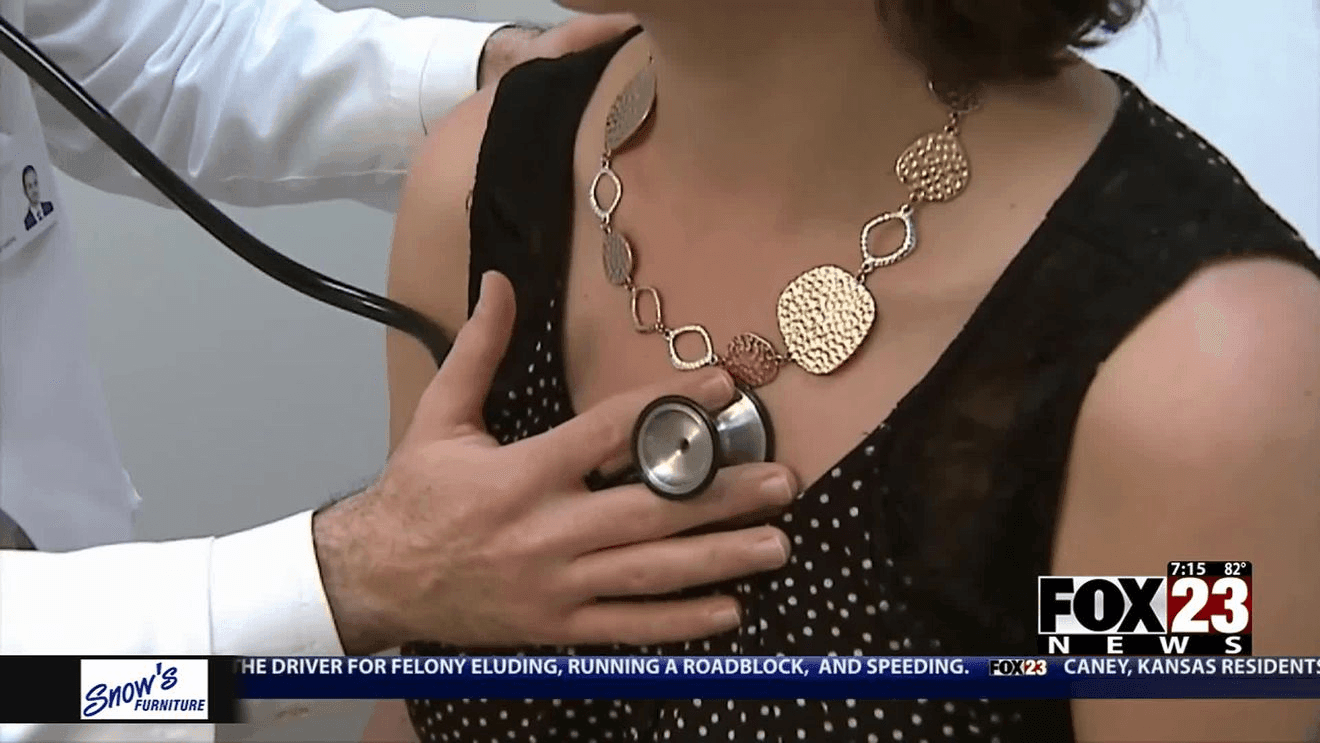
The heart is one example. Heart disease is the leading cause of death for women in the country. And symptoms are often completely different in women. Their anatomy can be different too. Patterson’s company is developing a replacement valve for people with aortic stenosis. He says previously, treating a woman essentially meant just giving her a smaller valve
“The interesting thing about that is that the anatomical part is one part, but the physiological part is in fact another, so there was just not enough research and data.” says Patterson
Now researchers are asking different questions. The current trial is looking specifically at differences between men and women
Because women’s health doesn’t begin and end with our reproductive organs
It’s our hearts. Our brains. And our whole bodies
The company is hopeful the new valve will get FDA approval in 2028 or 2029
What’s on your mind? Email us at onhermind@fox23.com
