



From broilers to turkeys: The expanding role of guanidinoacetic acid
Guanidinoacetic acid (GAA) first became well known in poultry nutrition through its use in broilers, where it has long been associated with improved production performance. Today, however, interest in GAA is moving well beyond its original application. A broader picture is now emerging as GAA is not only a performance-supporting feed additive, but also a nutritional tool linked to energy metabolism in multiple species and at different stages of life
Lukas BauerPortfolio Development Manager, Evonik Animal Nutrition
Jul 8
Partner
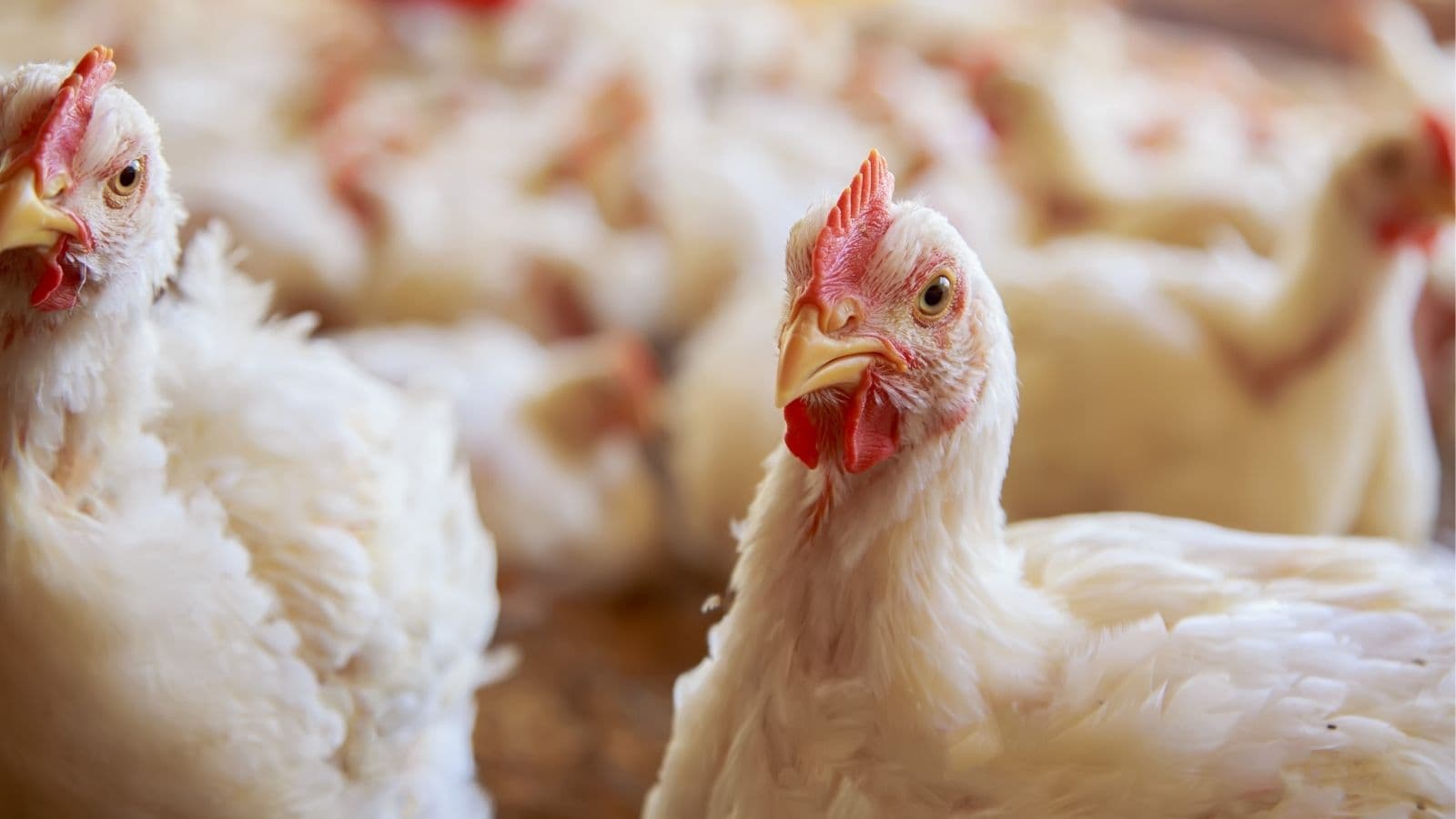
The biological rationale is clear: GAA is the only immediate precursor of creatine in vertebrate animals. Because creatine plays a central role in cellular energy buffering and transfer, GAA supplementation can help support tissues with high and fluctuating energy demands, especially fast-growing muscle. In modern poultry systems, where growth potential is high and muscle development is intense, this mode of action has particular relevance
In broilers, GAA has been recognised for its efficacy, with the European Food Safety Authority (EFSA) confirming its effectiveness. This conclusion has also been extended to other poultry categories, including birds reared for laying eggs and reproduction. This confirms that GAA is not only a niche application, but a practical nutritional tool for commercial poultry production
From broilers to turkeys
Now, the spotlight is increasingly turning to turkeys. More recently, the EU expanded the authorised use of GuanAmino, a preparation of GAA, to include turkeys for fattening and turkeys reared for reproduction, alongside several poultry categories. Under this framework, its use is approved in both feed and drinking water within defined inclusion ranges – in complete feed at 600-1,200 mg/kg and in drinking water at 300–600 mg/L
The recent EFSA opinion also provides useful turkey data. In a 42-day study, turkey poults given GAA showed an improvement in performance. Final body weight increased from 2,633 g in the control group to 2,708 g when birds received 800 mg/kg feed. Daily weight gain rose while feed-to-gain ratio improved. Importantly, EFSA concluded that no adverse effects were observed and that GAA is safe up to the recommended maximum of 1,200 mg/kg complete feed
A nutritional tool across poultry and pigs
This growing body of evidence matters because it shows that GAA is not confined to broilers. It is increasingly relevant across poultry species, supported by both regulatory progress and trial results. It also fits with a broader application already seen in practice: GAA supplementation started in broilers, but interest has expanded to other poultry categories and, to pigs as well. In fact, GAA is also authorised for use in pig nutrition, further underlining that its application extends beyond poultry and supports its role as a cross-species nutritional tool.
Supporting muscle quality in broilers
Another important development is the role of GAA in breast meat myopathies in broilers. These conditions, including wooden breast, white striping and spaghetti meat, are major concerns in modern broiler production because they reduce meat quality and consumer acceptance. Here, GAA is attracting attention because its contribution to creatine synthesis may help improve muscle energy homeostasis during rapid growth. Recent industry summaries compiling published studies indicate that GAA supplementation has been associated with a reduced incidence of wooden breast, white striping and spaghetti meat, suggesting that support of cellular energy metabolism may translate into better muscle integrity.
Maternal nutrition: Benefits before hatch
Finally, GAA may also have a role before birth. Evidence is growing that maternal supplementation can influence the next generation. Work summarised in the myopathy review shows that feeding breeder hens with GAA can increase creatine deposition in eggs, improve embryonic energy reserves, and support hatchability and offspring performance. The embryos from creatine-enriched eggs had higher creatine concentrations in liver, yolk sac and breast muscle tissues, together with changes in muscle fiber characteristics that may reduce susceptibility to later myopathies.
Taken together, these developments suggest that GAA should no longer be viewed only as a broiler performance additive. Its relevance is broadening from feed efficiency and growth support to muscle quality, maternal nutrition and cross-species application, with turkeys now becoming an increasingly important part of the story
References are available on request
