


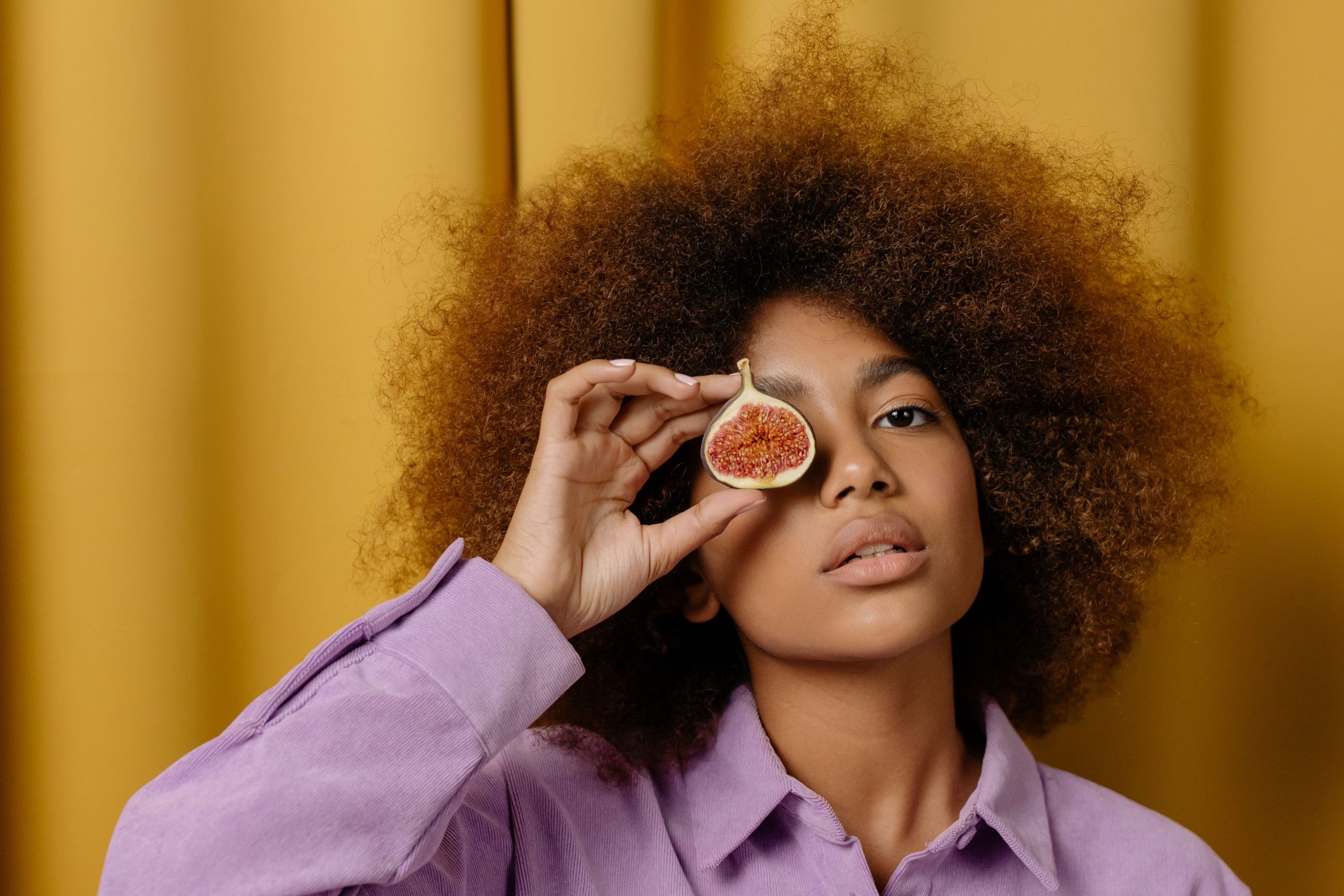
A research review recently published in Recent Progress in Nutritionsuggests that, in addition to improving physical health, following a diet rich in plants also has its perks, superficially speaking
The article was co-authored by Dr. Matt Nagra and David Goldman, a registered dietitian who also served as chief science advisor for the Netflix documentary The Game Changers and shared his insights with FI regarding the paper
When asked about the public health relevance of these findings, given its somewhat superficial focus, Goldman explained that “looking good” isn’t the ultimate goal of increasing fruit and vegetable intake, but it is a short-term bonus that can be highly motivating
“Appearance often moves people to change behavior, and it can do that much faster than abstract disease-prevention messaging,” said Goldman
“A few extra servings of vegetables showing up in your skin within weeks is a much more immediate signal than ‘this lowers your risk in twenty years,’ though both are happening simultaneously.”
Let’s dig into the findings
Get Your (Golden) Glow On
The carotenoids naturally occurring in fruits and vegetables were found to produce a golden hue in human skin that observers across many cultures rated as more attractive – and this can happen surprisingly fast
Studies show this change can be detected in as few as 4-6 weeks, and the observers preferred this “fruit glow” over the kind you’d get from a tanning bed or the beach – without the skin cancer risk
When asked about realistic expectations regarding this “golden glow” effect, Goldman told me that “the honest expectation is a subtle, gradual warming of skin tone, not a dramatic transformation.”
“Coverage sometimes oversells by implying instant results. One of the better-designed trials we reviewed actually found no direct boost to attractiveness ratings in the short term, even though the underlying color change was measurable.”
So, what kind of daily intake is needed to experience this perk?
In one study, increasing daily intake by roughly three servings over six weeks was associated with skin color changes deemed healthier and more attractive
However, Goldman says it’s important not to conflate “looking healthier” with “being healthier.”
“We were careful to note that beta-carotene supplementation, for instance, can boost perceived health and attractiveness in photos without budging actual markers like oxidative stress or immune function. Appearance is a perceptual cue, not a verified readout of what’s happening inside,” he explained
Let’s examine another perk of plant-forward eating
Sweeter-Smelling Sweat
Have you ever noticed that some people’s body odors smell better – or worse – than others? Well, this research review offers insight into why, starting with red meat intake
“A controlled trial found that a non-meat diet produced sweat that smelled more attractive than a meat-rich one. Body odor turned out to be diet-responsive like skin, which I didn’t expect,” Goldman shared
Another discovery that surprised Goldman pertains to garlic
“I went in assuming garlic could only hurt your odor, and instead, learned of a dose-response study showing it can make sweat smell more pleasant,” he told FI
So, how does this work exactly?
“The cleanest way to put it is that diet changes the raw materials your sweat glands and skin bacteria work with, so the resulting scent shifts,” Goldman explained
Unlike say, using a bar of deodorant, plant-forward eating doesn’t “mask” anything but instead “alters the underlying chemistry” that’s involved
Much like the golden glow, Goldman says these differences in smell can happen very quickly – ranging from “a single meal” to “a couple of weeks of sustained habit,” depending on the nature of the behavior change
Key Takeaways for Brands
So, what are some practical ways for F&B brands to leverage these findings?
“I think there’s room for products that make ‘more produce, more often’ easier to sustain,” Goldman advised, citing examples like “convenient, carotenoid-rich snacks, smoothies, or fortified plant-forward staples” that can fit into a normal week without requiring a complete overhaul
“Brands could also experiment with vitality- and appearance-focused messaging alongside the usual disease-prevention angle, since our review suggests this framing may be more motivating for some consumers.”
Food for Thought Leadership
Food retail is undergoing a fundamental transformation, and few people have a better vantage point than the SupermarketGuru Phil Lempert. In this episode ofFood for Thought Leadership, Lempert joins FI’s Chris Campbell to discuss the forces reshaping grocery, from inflation and private label growth to changing consumer expectations around health, wellness, and transparency
