


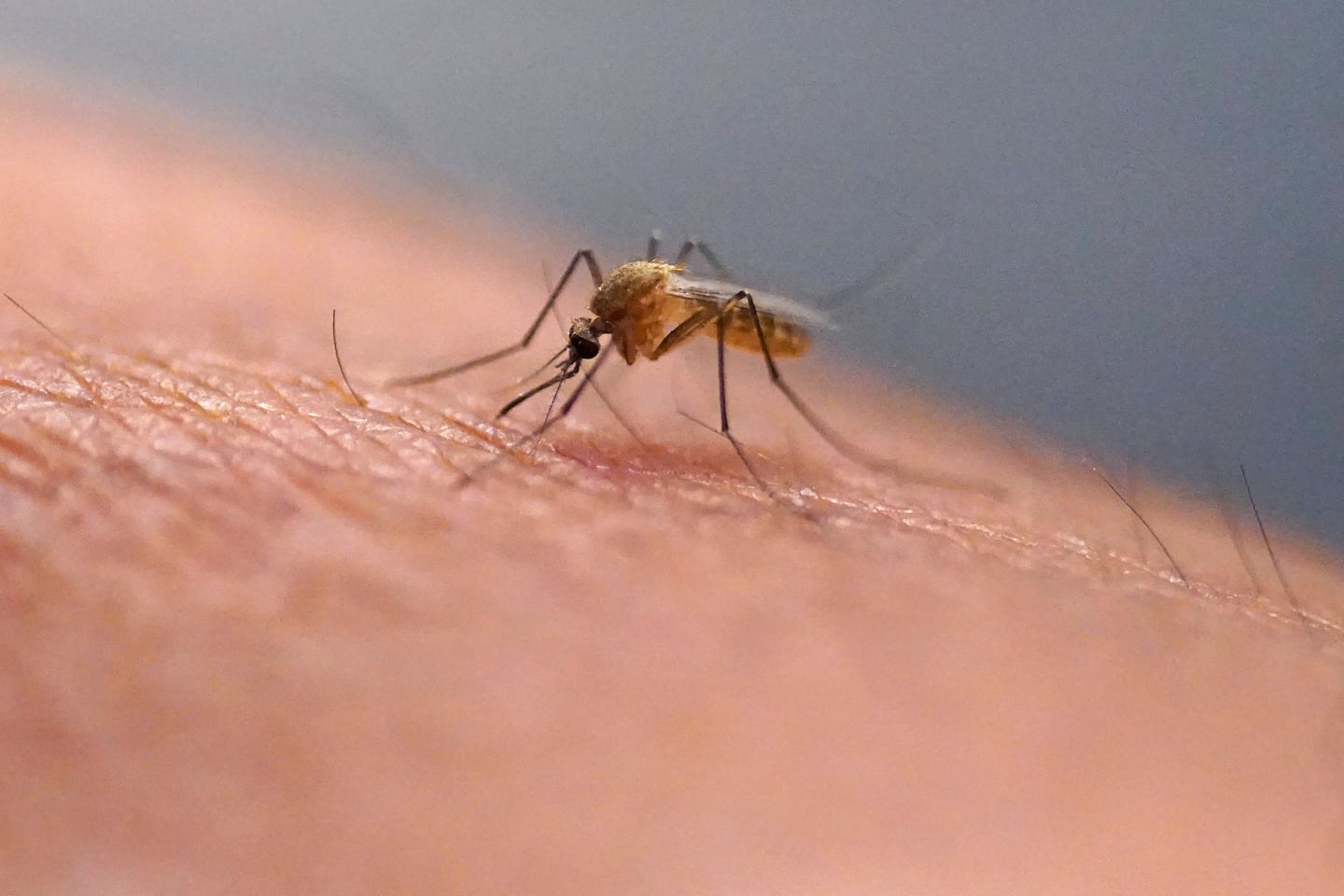
A mosquito sample collected in Jamaica Plain has tested positive for West Nile virus, the first detection of the virus in Boston this summer, city health officials said Thursday
There are no confirmed human cases of West Nile virus among Boston residents, and the risk of transmission remains low, according to the Boston Public Health Commission
“These test results are an important reminder that everyone needs to take steps to protect themselves from mosquito-borne illnesses this time of year,” Dr. Bisola Ojikutu, the city’s public health commissioner, said in a statement. “West Nile Virus can be dangerous, particularly for seniors and other vulnerable populations.”
The positive samples were collected as part of the commission’s mosquito monitoring program with the Suffolk County Mosquito Control Project, which traps and tests mosquitoes throughout the city during the summer and early fall
Mosquitoes can carry West Nile virus and spread it to humans through bites. While 80 percent of those infected do not experience symptoms, others experience fever with headache, body aches, joint pain, vomiting, diarrhea, or rash, according to the Centers for Disease Control and Prevention
Most people with mild illness recover completely, but they can experience fatigue and weakness lasting weeks and months, according to the CDC
People older than 50 are at higher risk of developing severe illness, including high fever, neck stiffness, severe headache, confusion, loss of coordination, tremors, vision loss, and muscle paralysis or weakness. Health officials urged anyone experiencing those symptoms to contact a health care provider immediately
Health officials recommended residents reduce mosquito breeding by regularly emptying bird baths, flowerpots, kiddie pools, old tires, gutters, and other containers that collect standing water. They also urged residents to use EPA-approved insect repellents and make sure window and door screens fit properly and are free of holes
The commission also advised residents to avoid spending extended periods outdoors from dusk to dawn, when mosquitoes are most active, and to wear long clothing and high socks to keep them away from skin
Lauren Albano can be reached at lauren.albano@globe.com. Follow her on X @LaurenAlbano_
