


Senior and co-corresponding author Elena F. Verdu, PhD, professor in the Department of Medicine and director of the Farncombe Family Digestive Health Research Institute, and colleagues reported on their study in Science Translational Medicine, in a paper titled “Phage intervention improves colitis and response to corticosteroids by attenuating virulence of Crohn’s disease–associated bacteria,” in which they noted “By reducing bacterial virulence mechanisms without substantially disrupting microbial balance, phage-based treatments align with personalized microbial therapeutics in IBD.”
Inflammatory bowel diseases (IBDs) such as Crohn’s disease and ulcerative colitis (UC) are chronic inflammatory conditions of the gastrointestinal (GI) tract that have strong microbial components, with patients often displaying disruptions in the delicate microbiome of the gut. “Recent studies have demonstrated that changes in the composition and function of the gut microbiota precede CD onset by up to five years,” the author wrote. However, they continued, “Current medications focus on suppressing symptoms and inflammation and can fail, in part, because they do not address underlying microbial drivers.”
Patients with Crohn’s disease tend to harbor strains of adherent-invasive E. coli (AIEC) that adhere to and invade epithelial cells in the intestines. “AIEC is distinct from other IBD-associated taxa because of its ability to adhere, invade, and survive in intestinal epithelial cells,” the team continued. Clinicians will sometimes prescribe antibiotics during symptom flares to try to target these bacteria, but antibiotics aren’t a long-term solution. They are non-specific and can perturb the microbiome even further, and with frequent use lead to side effects.
AIEC bacteria can be difficult to identify and selectively target, making them an important test case for more precise microbiome-based therapies. “One challenge is that AIEC are defined by what they do, not simply by how they appear in a microbiome analysis,” said Verdu. “To identify them, we need to test their behavior, such as their ability to adhere to and invade intestinal cells and persist in immune cells.”
Verdu, together with first author Kyle Jackson, PhD, at Farncombe Family Digestive Health Research Institute, and colleagues theorized they could navigate these roadblocks and neutralize virulent E. coli using bacteriophages. “Phages work like a lock-and-key system—each phage targets only certain bacteria. That precision gives us a way to intervene without wiping out the entire microbiome,” explained co-author Zeinab Hosseinidoust, PhD, associate professor in the Department of Chemical Engineering and the School of Biomedical Engineering.
The concept of using phages to target inflammatory bacteria is already being trialed, the authors noted in their paper. “Commercial phage ‘cocktails’ are presently being evaluated in clinical trials (NCT04737876 and NCT03808103) against proinflammatory bacterial taxa associated with IBD. These trials seek to target adherent-invasive Escherichia coli (AIEC), a group of bacteria enriched in patients with active CD compared with those in remission or healthy individuals.”
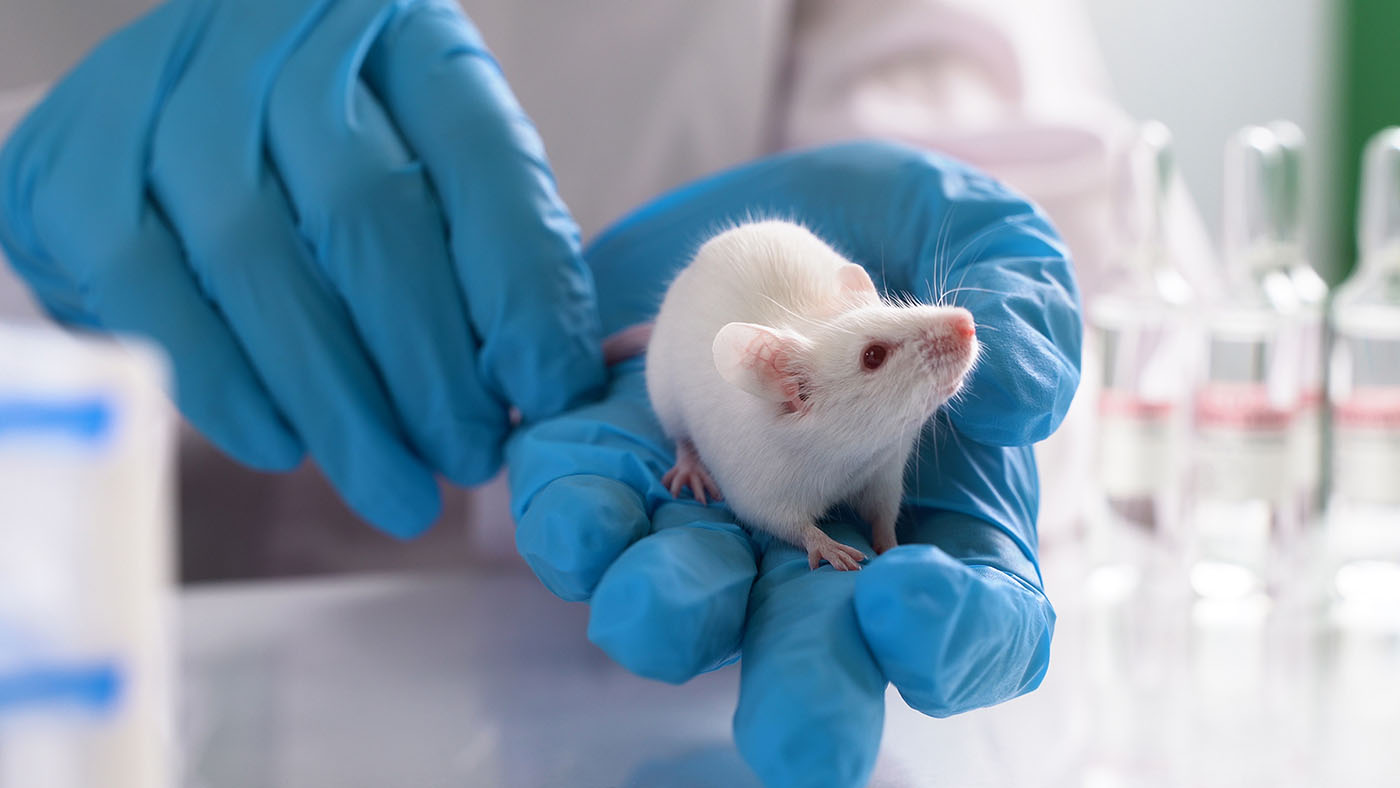
For their newly reported study the team developed a Crohn’s disease mouse model with a defined microbiome, and then screened a collection of phages, looking for those that could infect one strain of E.coli, NRG857c, isolated from patients with Crohn’s disease
The results showed that their approach significantly reduced gut inflammation. The phages did not eliminate the bacteria entirely. Instead, they altered their behaviour by supressing a molecular “grappling hook” that helps AIEC attach to the gut lining and trigger immune responses. When that virulence mechanism was turned off, inflammation subsided
One phage, designated HER259, countered the bacteria’s virulence by infecting it and switching off a genetic region named fimS. This region promotes the expression of FimH, which supports the bacteria’s ability to adhere to cells and trigger inflammation
“HER259 ameliorated colitis in gnotobiotic models and attenuated the virulence of AIEC strain NRG857c, including suppression of the FimH adhesin through inversion of the fimS promoter to its ‘off’ orientation,” the authors wrote. “Withdrawal of HER259 treatment led to reversion of the fimS promoter and reactivated colitis.”
Hosseinidoust noted, “The bacteria were still there but they lost the traits that drive inflammation. We like to think of it as knocking out a few teeth. The bacteria can’t do as much damage anymore.” Withdrawing HER259 treatment led to reversion of the fimS promotor, and reactivated colitis, the authors noted
The researchers also found that phage therapy enhanced the effectiveness of a commonly used steroid treatment for IBD, budesonide. When combined with the phage, a lower-than-standard dose of the drug produced benefits comparable to higher doses of the drug alone
The HER259 phage in addition enhanced the therapeutic effect of subtherapeutic budesonide independent of microbial drug metabolism, the team wrote. While phages have previously been shown to increase the effectiveness of antibiotics, this is the first time a positive collaboration between phage and a non-antibiotic drug has been reported
“In summary, using phage HER259 and NRG857c as a model phage–proinflammatory bacterium pair, we reveal a previously unknown mechanism by which targeted phage therapy disrupted key virulence markers in the CD-associated E. coli strain, reducing acute and chronic colitis, preventing reactivation, and enhancing therapeutic responses to budesonide.”
The findings point to a precision‑medicine approach for IBD. The bacterial function targeted by the phage can be measured in stool samples and was found to be higher in a subset of patients with Crohn’s disease, suggesting a potential way to identify those who could benefit most from this therapy
“If we can identify which patients carry the harmful bacterial function, we could, in the future, intervene with a targeted therapy designed specifically to turn down that activity,” says Verdu. “This is what personalized medicine should look like: matching the right biological tool to the right patient,” added Hosseinidoust
Next steps for the team include evaluating broader collections of bacterial strains from IBD patients and developing combinations of phages—work that brings the approach closer to human trials
NewsCorticosteroidsCrohn diseaseEscherichia coliImmune cellsMicrobiomeMousePhage therapy (Phage research)
Previous articleEngineered AAVs Harness Glymphatic System to Reach Brain Targets in Mice
Next articleStem Cell Therapy Shows Promise in First Human Parkinson’s Disease Trial
