


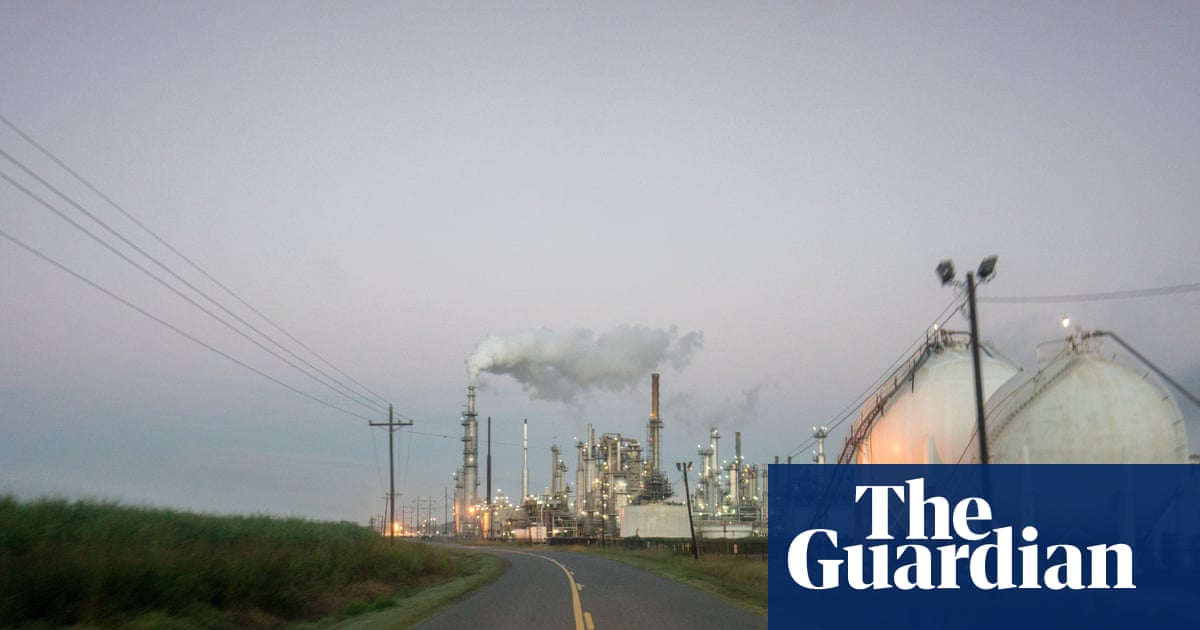
‘A public health emergency waiting to occur’: how US industry groups spent years fighting who gets to measure toxic air
Air polluters try to ensure toxic emissions happen far from monitors – but the people who live nearby still feel it
Kimbrelle Kyereh lives just a few hundred feet from the massive chemical storage tanks in St Rose, in south-eastern Louisiana. Oily fumes sometimes drift into her home, bringing headaches, nausea and insomnia. On one such night, she grabbed her son at 3am and fled to an all-night Ihop
In 2023, after years of coping with the noxious odors, Kyereh began collecting air samples in her yard for a local environmental justice group. But soon after, Louisiana passed an industry-backed law that sharply restricted how that kind of data could be used
So she stopped
“I shut my mouth like they wanted me to,” Kyereh said
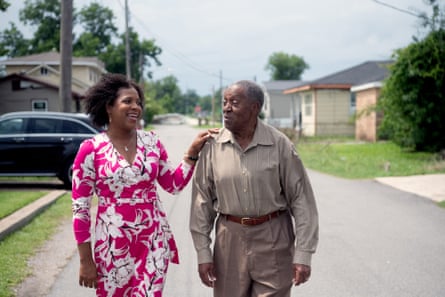
Along the 85-mile corridor between Baton Rouge and New Orleans – where cancer rates from toxic air pollution are among the nation’s highest– many residents live in the shadows of heavy industry with no idea what they’re breathing
A Floodlight/Guardian analysis found that Louisiana’s public air monitors are often located miles from major industrial polluters and fail to test for some of the most dangerous chemicals
Our analysis identified the state’s top 25 industrial air polluters using emissions data that companies self-report to the EPA. Then we used state data to calculate each plant’s distance to the nearest public air monitoring station – and to determine which pollutants those monitors actually test for. We found:
Ten of Louisiana’s heaviest air-polluting facilities, based on self-reported data shared with the EPA, operate without a single public air monitor within five miles
This list includes Dow Chemical’s plastics factory in Plaquemine, which is about eight miles from the nearest air monitoring station. The station measures only ozone even though the plant releases an array of toxic pollutants including ethylene oxide, a known carcinogen
No public monitors measure ammonia – despite the fact that CF Industries’ Donaldsonville plant emits more than 7m lb of the hazardous chemical each year
The three chemicals that researchers have concluded “together account for the large majority of total cancer risk” in the area – ethylene oxide, chloroprene and formaldehyde – aren’t monitored by the state at all
Industry groups have spent years fighting proposals that would require better monitoring around manufacturing plants. They also helped draft a 2024 law that sharply restricted how community air monitoring could be used in enforcement
Lawmakers later introduced similar legislation in Kentucky, Ohioand West Virginia, suggesting Louisiana was one front in a broader fight over who gets to measure toxic air
What the monitors missed
On 24 August 2023, a leak at Marathon’s south-east Louisiana refinery exposed the limits of the state’s air monitoring system
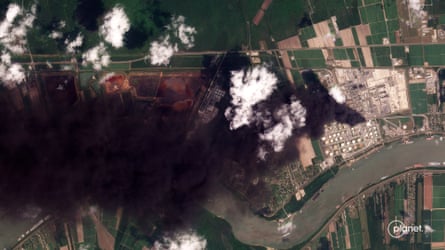
At 6.50pm, the coast guard fielded a report that naphtha – a highly flammable liquid – was leaking from an above-ground tank at the Garyville facility. More than six hours passed before the Louisiana department of environmental quality began monitoring the air
At about 7am, the leak ignited a massive fire, sending a plume of black smoke into the air. Two nearby schools opened anyway. Residents within two miles weren’t ordered to evacuate until 10.15am – more than 15 hours after the leak began
An aerial view of the fire in black and white with a giant plume of smoke coming out of it.
Naphtha exposure can cause dizziness, headaches and nausea, and a Guardian investigation found at least 29 residents were later treated at area hospitals
The nearest state air monitor measures ozone – but not the toxic pollutants, including volatile organic compounds, released in the fire – and the plant’s own monitors track just one chemical at its fenceline: benzene. The company’s Los Angeles refinery, by contrast, continuously monitors more than 15 pollutants – as California regulations require
Wilma Subra, a decoratedenvironmental chemist from Louisiana who examined the fire’s emissions, said better air monitoring would probably have prompted faster school closures and evacuations
The state’s monitoring network, she said, was “not adequate to protect the health of the community living in close proximity to these industrial facilities”
‘Emergency waiting to occur’
Community advocates and environmental researchers have spent years pressing for expanded monitoring – especially in predominantly Black communities near industrial facilities
Adrienne Katner, an associate professor at Louisiana State University and a former state environmental health scientist, concluded in 2022that roughly 400 high-emission facilities in Louisiana had no public air monitoring. Communities only learn about toxic releases when there’s a shelter-in-place order or an evacuation, she said
She called the situation “a public health emergency waiting to occur”
The following year, researchers from Johns Hopkins University drove a mobile laboratory through Louisiana’s industrial corridor to measure pollution firsthand. In 14 of the 15 locations they studied, cancer risks from toxic emissions exceeded EPA figures – in some areas by more than 11 times
Peter DeCarlo, an atmospheric scientist at Johns Hopkins who co-authored the study, said regulators miss much of the region’s pollution because too few air monitors measure too few chemicals
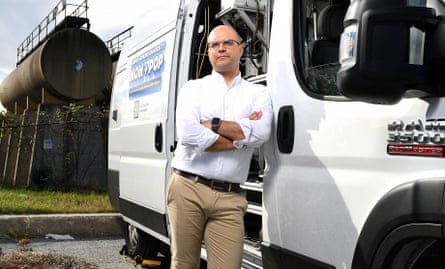
“If large emissions from these facilities are happening far away from the air monitors, they’re often going to go unnoticed,” DeCarlo said. “But that doesn’t mean they’re not gonna have an effect on the people who live there.”
The state has seen a retreat from monitoring in recent years. New Orleans’s Irish Channel neighborhood, which sits near a 48-acre storage terminal that handles hot asphalt and other toxic chemicals, has drawn hundreds of resident complaints about noxious fumes
A temporary state monitor there had previously recorded elevated levels of harmful particulate matter. But in 2022, Louisiana regulators shut it down. In 2023, the EPA urged state regulators to create a permanent monitoring station in the neighborhood, to no avail
Louisiana’s 2022 monitoring plan included a section titled “environmental justice considerations”, describing monitors in communities such as St Rose and the Irish Channel. A year later, the section was gone, as was the St Rose monitor
When the EPA urged the state to keep considering environmental justice, the LDEQ replied that such considerations were “beyond the scope” of the plan
The LDEQ operates 35 permanent air monitoring stations and says that it operates “a robust air monitoring network that meets and exceeds all regulatory requirements”
But in an interview with Floodlight, Jason Meyers, who oversees the agency’s 35-person air monitoring team, acknowledged that the network was not designed to monitor pollution in fenceline communities
Still, he said: “We run our sites well. We have good operators, and [the network] provides very high-quality data.”
The agency has two mobile monitoring vans that respond to incidents, monitor air quality in parts of the state without permanent stations, and fill in when major storms knock out power
The department also measures toxic air pollutants at 19 sites around the state, but that equipment doesn’t monitor continuously. Most of those monitors sample every sixth day – on a fixed, publicly known schedule – meaning plant operators know when the air will be tested
“Financial and technical constraints limit full monitoring coverage” of all toxic air pollutants, the LDEQ acknowledges on its homepage
While community advocates have pushed for more air monitoring, Louisiana has moved in the opposite direction. Since 2020, the state has lost four air monitoring stations. Expenditures for the LDEQ division that oversees air monitoring fell nearly 15% between 2020 and 2026. Adjusted for inflation, spending dropped by more than one-third
Across the country, state monitoring agencies have faced years of stagnant federal support even as equipment and labor costs climbed. The number of operating air monitors nationwide fell by nearly halfover the decade ending in 2021, the last year for which the EPA has published figures
“Your dollars are just not going nearly as far,” said Chet Wayland, who led the EPA’s air quality assessment division for 18 years. “The bottom line is that more money is desperately needed for monitoring.”
The EPA does monitor toxic air pollutants at 26 stations nationally – but none are in Louisiana or Texas, two of the states with the largest toxic emissions volumes, according to EPA’s toxics release inventory
How industry got its way
For years, former Louisiana state senator Cleo Fields, a Democrat from Baton Rouge, returned to the capitol with the same proposal: require major industrial polluters to monitor toxic air emissions at their property lines and report what nearby communities were breathing
Each time, the bill died
“I got so frustrated because every year this was opposed by industry for no good reason,” Fields, now a US representative, told Floodlight. State regulators, he added, “were working totally in concert with industry … and the citizens just had no voice.”
Fields said he repeatedly heard from the petrochemical industry that his proposed bills would cost industry too much. “Well, what is it costing people?” he asked. “It’s costing them their lives.”
After Fields’ failed attempts, state senator Royce Duplessis, a New Orleans Democrat, tried again this year with a bill requiring perimeter monitors at facilities emitting toxic pollutants. That measure also failed
The Louisiana Chemistry Association, which represents 70 chemical industry companies that operate more than 100 sites across the state, and other industry groups have repeatedly fought these efforts
The group helped draft the 2024 Community Air Monitoring Reliability Act (Camra), which prohibits the use of air pollution data for enforcement or regulatory actions unless it’s captured by EPA-approved monitors – equipment that typically costs tens of thousands of dollars, far beyond the reach of most community groups
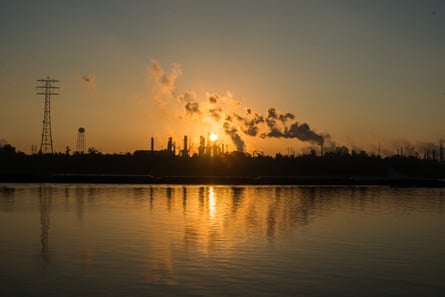
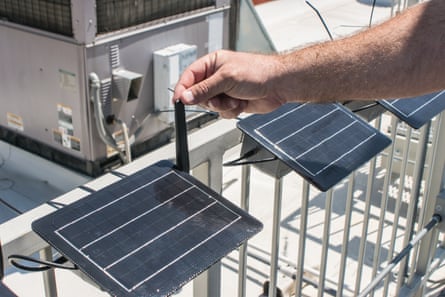
Less expensive community air monitors can reveal pollution hotspots that distant government monitors miss, sometimes prompting regulators to investigate pollution complaints and helping residents push for stronger oversight
Critics say the law – the one that prompted Kyereh to stop her own monitoring efforts in St Rose – has stifled community air-quality reporting efforts, which typically rely on low-cost monitors. A top EPA regional administrator at the time called the bill “inconsistent with federal law”
In a statement to Floodlight, LCA’s president, David Cresson, defended the law, saying it ensured “data used to enforce our state’s environmental protection laws complies with minimum US EPA standards” and doesn’t stop residents from monitoring air quality for their own information – only from using unregulated methods for enforcement purposes
Camra’s sponsor, Republican state senator Eddie Lambert chairs the state senate environmental committee – the same committee that repeatedly killed bills put forth to monitor air pollution
During his tenure, Lambert has repeatedly opposed air pollution monitoring bills. Asked whether Louisiana needs more public air monitoring stations, Lambert said industrial plants already collect emissions data. “If we already get the information from the plants, why would we want to spend our re
Under EPA rules, however, some plants are allowed to report emission estimates rather than direct measurements – and those estimates can be wildly off base. A 2025 ProPublica investigationfound that when the EPA required temporary physical monitors at industrial sites, 97% of facilities were underreporting emissions. At a Dow Chemical facility in Plaquemine, for example, emissions of vinyl chloride – a carcinogen – were more than 150 times higher than the company’s estimates. (A spokesperson for Dow told ProPublica at the time: “We remain committed to operating reliably and advancing efforts to reduce emissions below their already safe levels.”)
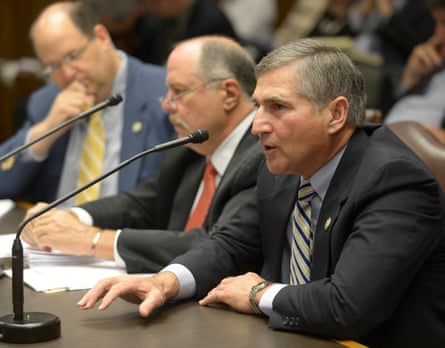
Lambert has received more than $28,000 in political contributions from petrochemical, oil and gas and other polluting industries since 2020 and has reported investing in major oil companies. In 2024, the LCA covered his $450 hotel bill for a conference where he spoke. Lambert told Floodlight neither his investments nor industry campaign contributions had influenced his decisions in the legislature. “I don’t take that into consideration at all,” he said. The Louisiana ethics code allows lawmakers to accept free lodging when they speak at public events. “I wouldn’t consider that a big deal,” Lambert told Floodlight.
Lambert added that he was surprised oil and gas companies had donated to his campaigns because he consistently backed lawsuits filed by Louisiana parishes seeking to hold the industry accountable for coastal damage
After Camra, the bill Lambert sponsored, became law, legislators in Kentucky, Ohio and West Virginia introduced similar bills, also using arguments promoted by industry groups. That legislation failed in West Virginia but passed in Kentucky and Ohio
Left to wonder
Upriver from Kyreh and the chemical storage tanks in St Rose, Tish Taylor lives less than a mile from the Denka Performance Elastomer plant in St John the Baptist parish. Until last year, the plant produced neoprene, the synthetic rubber used in wetsuits
After federal regulators determined the plant’s chloroprene emissions posed an “unacceptably high” cancer risk to surrounding communities, Denka suspended production in 2025. Chemical producer DuPont continues to operate on the same campus and has faced its own EPA penaltiesfor emissions violations
The two closest public monitors – each about five miles away – measure only lead and ozone
Taylor loves working in her garden. But when the wind blows on a sunny day, she knows that there’s something toxic in it, she said
“I just have to wonder how much.”
This story is from Floodlight, a non-profit newsroom that investigates the powers stalling climate action, in partnership with the Guardian and with contributions from the Louisiana Illuminator. Sign up for Floodlight’s newsletter here
Explore more on these topicsShare
Reuse this content
