

Close Menu
healthylife7.comhealthylife7.com

    Subscribe to Updates

    Get the latest creative news from FooBar about art, design and business.

    What's Hot

    Luka Doncic’s drastic slimmed down offseason transformation has fans buzzing

    August 24, 2026

    Qatari Diar & Qatar Olympic Committee partner to promote community sports & healthy lifestyle initiatives

    August 24, 2026

    After 100 days of the deadliest Ebola outbreak, it can be stopped. Here’s how | Jean Kaseya and Tedros Adhanom Ghebreyesus

    August 24, 2026
    Facebook X (Twitter) Instagram
    Trending
    • Luka Doncic’s drastic slimmed down offseason transformation has fans buzzing
    • Qatari Diar & Qatar Olympic Committee partner to promote community sports & healthy lifestyle initiatives
    • After 100 days of the deadliest Ebola outbreak, it can be stopped. Here’s how | Jean Kaseya and Tedros Adhanom Ghebreyesus
    • UCLA receives $4M NIH grant to study probiotic treatment for obesity
    • OceanLight Acquisition Corporation Announces Exercise of Over
    • NFL star Puka Nacua shares his unorthodox in
    • Did school vaccines just become a campaign issue?
    • Is the Weight-Loss Drug Market Really a Winner-Take-All Fight Between Novo Nordisk (NVO) and Eli Lilly (LLY)?
    Facebook X (Twitter) Instagram
    healthylife7.comhealthylife7.com
    • Home
    • Fitness
    • Health
    • Nutrition
    • Lifestyle
    • Conditions
    • Mental Health
    • Weight Loss
    • Wellness Tips
    Monday, August 24
    healthylife7.comhealthylife7.com
    Home»Conditions»After 100 days of the deadliest Ebola outbreak, it can be stopped. Here’s how | Jean Kaseya and Tedros Adhanom Ghebreyesus
    Conditions

    After 100 days of the deadliest Ebola outbreak, it can be stopped. Here’s how | Jean Kaseya and Tedros Adhanom Ghebreyesus

    healthylife7By healthylife7August 24, 2026No Comments5 Mins Read
    Facebook Twitter Pinterest LinkedIn Tumblr Reddit WhatsApp Email
    After 100 days of the deadliest Ebola outbreak, it can be stopped. Here’s how | Jean Kaseya and Tedros Adhanom Ghebreyesus
    Share
    Facebook Twitter LinkedIn Pinterest WhatsApp Email
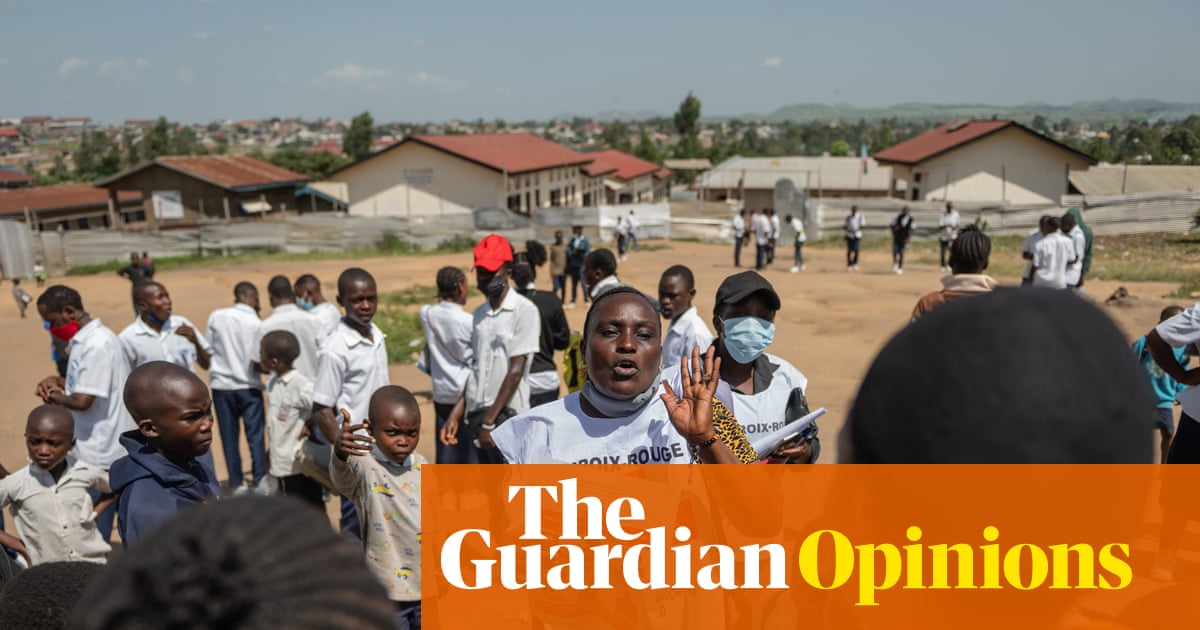
    Vanny Birungi, a Red Cross volunteer, speaks to people in Bunia, DRC, during a public awareness campaign 10 days after the Ebola outbreak was officially declared. Photograph: M Sawasawa/AP
    Vanny Birungi, a Red Cross volunteer, speaks to people in Bunia, DRC, during a public awareness campaign 10 days after the Ebola outbreak was officially declared. Photograph: M Sawasawa/AP

    After 100 days of the deadliest Ebola outbreak, it can be stopped. Here’s how

    Jean Kaseya andTedros Adhanom Ghebreyesus

    Ebola is a disease that spreads through communities, so we need to listen to communities if we want to halt its spread

    Each time we travel to the Democratic Republic of the Congo (DRC), we go first to listen. In Bunia, we have met dozens of community representatives: survivors, women, young people, local organisations, health workers and leaders from affected areas

    Their message was direct: involve us. We know our communities. We know where families seek care, how information moves and why trust is breaking down. Give us the means to help drive the response. They were right

    Ebola spreads through communities – and communities hold the knowledge required to stop it

    They can identify illness early, alert health teams, help trace contacts, challenge dangerous rumours and support families through treatment and safe, dignified burials. The response will move faster when communities lead alongside national authorities and health workers
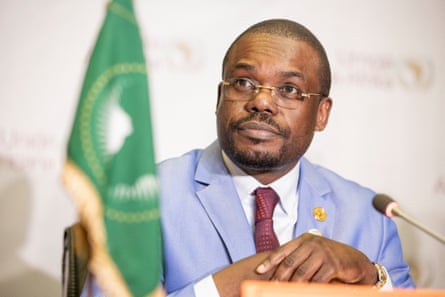
    An African man in a pale blue suit sits on a rostrum by the green flag of the African Union

    The government of the DRC declared its 17th Ebola outbreak 100 days ago after confirmation of the Bundibugyo virus

    The outbreak has since become the deadliest ever recorded, with about 2,500 deaths

    Behind this unprecedented toll are families grieving and communities confronting Ebola alongside conflict, displacement and fragile access to care

    At the centre of it all are the people who show up every day. Health workers care for patients. Laboratory teams identify the virus. Contact tracers follow its path. Community health workers build trust where fear and misinformation have taken hold. Burial teams help families honour their loved ones safely and with dignity

    They are working under extraordinary pressure, often in insecure areas

    Some have contracted Ebola in the line of duty; some have paid with their lives

    Their service must be met with action: protection, training, reliable equipment, timely payment, psychosocial support and access to vaccination, testing and treatment. Their safety is central to stopping transmission

    The response has made progress. Under the leadership of national authorities, Congolese responders, WHO, the Africa Centres for Disease Control and Prevention (Africa CDC) and partners have expanded surveillance, deployed laboratories, supported treatment centres, reinforced infection prevention and delivered essential supplies

    Uganda has interrupted transmission and declared the end of its outbreak, proving the Bundibugyo Ebola virus can be stopped. Decisive national leadership and close cooperation with communities broke the chains of transmission

    Ebola outbreak: five big questions
    Read more

    The emergency continues in the DRC. Cases are still being detected outside known contact lists. Each one points to a chain that has not yet been found. Every delay gives the virus another opportunity to spread

    The next phase must reach the village

    The DRC’s village-centred strategy takes the response to the places where transmission occurs. Surveillance, testing, treatment, vaccination, infection prevention and community engagement must operate together, close to affected families. Teams need the authority and re

    This is how we stop Ebola at itsly, follow every contact and prevent the next transmission

    Community leadership will determine whether this works. Women’s groups, young people, religious leaders, traditional healers, survivors and community health workers know where families seek care, how information moves and where trust is weakening. They can identify concerns early, challenge dangerous rumours and help response teams reach people who may otherwise remain invisible

    Their knowledge must shape the response. When they raise concerns, they must see action

    Trust is earned through delivery. A family that reports a suspected case needs safe transport and immediate care. A community that supports vaccination needs clear information about what the vaccine can do. Families who lose loved ones need dignity, compassion and support through safe burial procedures
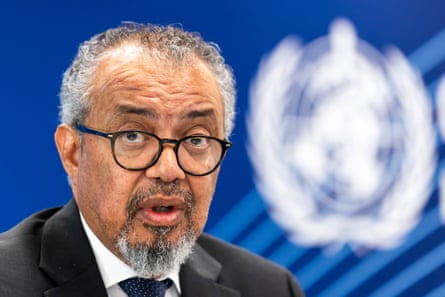
    An older Ethiopian man with the World Health Organization logo behind him
    Tedros Adhanom Ghebreyesus, who heads the World Health Organization. Photograph: EPA

    Health facilities also require urgent protection. As of 18 August, 163 health workers have been infected and 47 have died in the DRC, while Uganda has recorded four health worker infections. Every facility needs trained staff, protective equipment, clean water and sanitation

    An infection in a health facility places workers, patients and families at risk. A protected health facility becomes a centre for early detection, safe care and public confidence

    Financing remains a decisive test. Governments and partners have made commitments that must now reach the response

    National and local teams need predictable funding for surveillance, laboratories, treatment, vaccination, logistics, infection prevention and community engagement. Frontline workers must be paid on time. Supplies must arrive before stocks run out

    Delayed financing costs lives; fragmented financing leaves gaps. Ebola exploits both

    Cross-border coordination must remain strong. People move to trade, work, study, seek care and support families. Countries need rapid information-sharing, aligned surveillance and prepared health facilities along major routes

    The first 100 days have made the priorities clear: find every case; follow every contact; protect every frontline worker; bring testing, treatment and vaccination closer to every affected community. Turn every pledge into action

    Africa CDC will continue working with the DRC, alongside neighbouring countries, communities and partners, to bring the full strength of international and continental cooperation behind the nationally led response

    This outbreak can be ended. Uganda has shown what focused leadership and community action can achieve. The DRC can do the same

    Explore more on these topicsShare
    Reuse this content

    after Days deadliest Ebola outbreak
    healthylife7
    • Website

    Related Posts

    Understanding the systems behind disease

    August 24, 2026

    Dolphins signing UFL champion after successful workout

    August 24, 2026

    15 students selected for national health leadership role

    August 24, 2026
    Leave A Reply Cancel Reply

    Health
    Wellness Tips

    Luka Doncic’s drastic slimmed down offseason transformation has fans buzzing

    By healthylife7August 24, 20260

    Luka Doncic’s drastic slimmed down offseason transformation has fans buzzingappeared first onClutchPoints. Add ClutchPoints as aPreferred

    Qatari Diar & Qatar Olympic Committee partner to promote community sports & healthy lifestyle initiatives

    August 24, 2026

    After 100 days of the deadliest Ebola outbreak, it can be stopped. Here’s how | Jean Kaseya and Tedros Adhanom Ghebreyesus

    August 24, 2026

    UCLA receives $4M NIH grant to study probiotic treatment for obesity

    August 24, 2026
    Stay In Touch
    • Facebook
    • Twitter
    • Pinterest
    • Instagram
    • YouTube
    • Vimeo
    Fitness

    Opinion: The FDA must put biotech at its center or continue to cede early research to China

    July 6, 2026

    Inside Elevance’s digital chronic disease management strategy

    July 6, 2026

    Best, Worst States For Well

    July 6, 2026

    What do the Middle Ages tell us about mental health then and now? VCU historian Leigh Ann Craig has answers

    July 6, 2026

    Subscribe to Updates

    Get the latest creative news from SmartMag about art & design.

    About Us

    Welcome to HealthyLife7.com, your trusted source for reliable health, wellness, fitness, and lifestyle information. Our mission is to help people make informed decisions about their health by providing clear, practical, and easy-to-understand content.

    At HealthyLife7.com, we believe that good health starts with the right knowledge. Whether you're looking for healthy eating tips, fitness advice, mental wellness strategies, weight management guidance, or information about common health conditions, our goal is to deliver valuable content that supports a healthier lifestyle.

    Fitness

    Luka Doncic’s drastic slimmed down offseason transformation has fans buzzing

    August 24, 2026

    Qatari Diar & Qatar Olympic Committee partner to promote community sports & healthy lifestyle initiatives

    August 24, 2026

    After 100 days of the deadliest Ebola outbreak, it can be stopped. Here’s how | Jean Kaseya and Tedros Adhanom Ghebreyesus

    August 24, 2026
    Health

    Opinion: The FDA must put biotech at its center or continue to cede early research to China

    July 6, 2026

    Inside Elevance’s digital chronic disease management strategy

    July 6, 2026

    Best, Worst States For Well

    July 6, 2026
    Facebook X (Twitter) Instagram Pinterest
    • About Us
    • Contact us
    • Disclaimer
    • Privacy Policy
    • Terms and Conditions
    © 2026 healthylife7.com. Designed by Pro.

    Type above and press Enter to search. Press Esc to cancel.