



When enhanced premium tax credits were allowed to expire last year, Mark Robokoff, who owns a pet supply shop in Anchorage, decided to keep his health insurance
That meant a plan that cost him around $950 per month last year has cost $2,860 per month since the beginning of the year. Like hundreds of other small-business owners in Alaska, he was faced with an agonizing decision between paying a jaw-dropping sum for coverage, or going without
But when he heard that Premera Blue Cross Blue Shield, which covers most Alaskans enrolled in the individual marketplace, is looking to raise its rates next year by more than 26%, he said that is a step too far
“It’ll probably mean I’ll drop health insurance,” he said. The increase, if approved, would mean he’d likely pay more than $3,600 per month for his plan, before accounting for deductibles and copays
“Our system is just so broken. This will be me throwing my hands into the air and canceling my health insurance and just crossing my fingers and hoping for the best,” Robokoff said. “I feel like I’m the sucker who isn’t using the insurance as much, and I’m just paying these outrageous premiums to support other people, so I may not wait until the end of the year. I may quit sooner.”
Robokoff is one of thousands of Alaskans who will face another eye-watering increase next year, according to preliminary federal filings
Premera, the insurer that covers more than 18,000 Alaskans through the individual marketplace, has asked to raise its rates by 26.6% in 2027. Overall, its rates have nearly doubled in a five-year period
The company attributed the rate increase in part to the expiration of tax credits that made its plans more affordable. The enhanced premium tax credits, which were enacted during the coronavirus pandemic and expired at the end of last year, made insurance plans affordable for thousands of Alaskans and contributed to a reduction in the number of Alaskans going without insurance
The tax credits expired last year amid opposition to their extension from President Donald Trump and Republican lawmakers. Alaska’s U.S. Sens. Dan Sullivan and Lisa Murkowski said last year that they sought a temporary extension that failed to advance
With the subsidies gone, more than 3,000 Alaskans dropped coverage through the individual marketplace in the beginning of the year, according to preliminary data
“That’s really a result of the expiration” of tax credits, said Jim Grazko, the Seattle-based president of Premera Blue Cross Blue Shield of Alaska. “When those enhanced premium tax credits went away, the folks that had lower overall utilization of healthcare services tended to be the first ones to drop out of the market,” he said
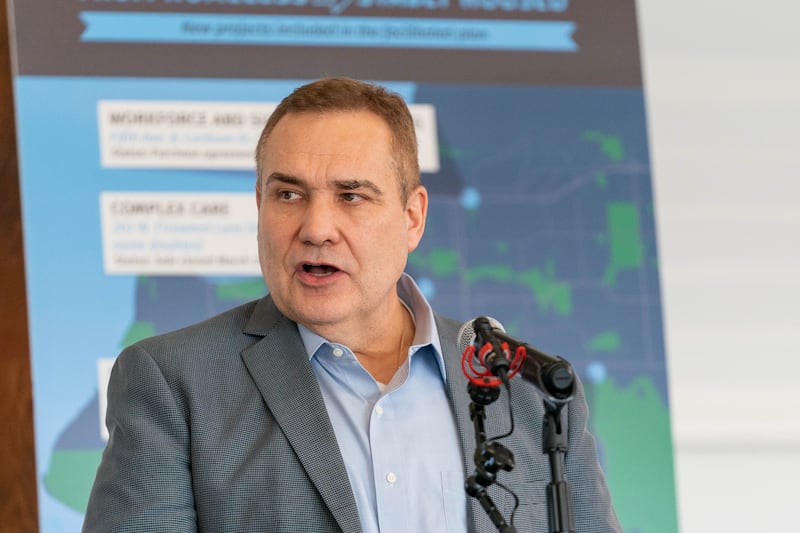
Those who remain “tend to use more services than the ones that dropped out, and that’s contributing to the overall cost of the program,” Grazko said
The Alaska Division of Insurance, which is charged with regulating the insurance market, also attributed expected rate increases to the loss of federal subsidies
“The 2026 expiration of the Enhanced Premium Tax Credits has affected what many Alaskans pay for health insurance, particularly those above the 400% federal poverty level who are no longer eligible for tax credits,” said Alex Vrabec, a spokesperson for the division
The Division of Insurance is tasked with determining whether the rates requested by private insurers offering plans to Alaskans are “excessive, inadequate, or unfairly discriminatory.” The division is expected to finalize next year’s rates by the end of the month
Grazko and the division also attributed the rate increases to the fact that some Alaskans are using more healthcare services and medications, causing insurance prices to go up for everyone
“Sicker folks that stayed in the pool get more services that are more expensive per service, and then there’s more services being provided,” Grazko said
Medical claims are going up because “providers have become more efficient, partially due to AI,” he said. Artificial intelligence can be used to apply more billing codes to each visit, Grazko said
Alaska’s insurance pool remains small relative to the rest of the country, making the state more susceptible to price spikes
“Some years the claims expense is higher than others, some years it is lower than others, and that bounces around more in a smaller pool than it would say in a big national pool,” Grazko said
Moda, the only other insurance company offering plans through Alaska’s individual market, asked to raise its rates by 9.3% in 2027
Alaska’s private insurers are also looking ahead to the implementation of the One Big Beautiful Bill Act, a Republican-backed measure that passed last year. The law cuts spending on Medicaid, a federal program that serves nearly a third of Alaskans. New Medicaid work requirements could cause thousands of Alaskans to lose access to the program, according to a state projection
Grazko said that may be “a good thing” for Alaska’s private insurance market, because some could qualify for subsidized plans, thus increasing the size of Alaska’s individual insurance pool
“If they choose to buy into the individual pool and they’re healthy — that will help the overall risk profile of the pool,” he said
At the same time, cuts to Medicaid spending could cause the number of uninsured Alaskans to go up, which could lead to more uncompensated care. That’s the term used by hospitals to refer to care they provide to patients who cannot pay for it. Hospitals respond by increasing rates for privately insured patients to make up for that lost revenue
“As the provider community in Alaska starts to experience more uncompensated care, they tend to want to get higher increases from payers like us,” Grazko said. “So it’s sort of a vicious cycle to some degree, because there’s more dropout, there’s more uncompensated care, and so doctors and hospitals need to charge more for the folks that do have coverage through the commercial sector to make up for those losses.”
