


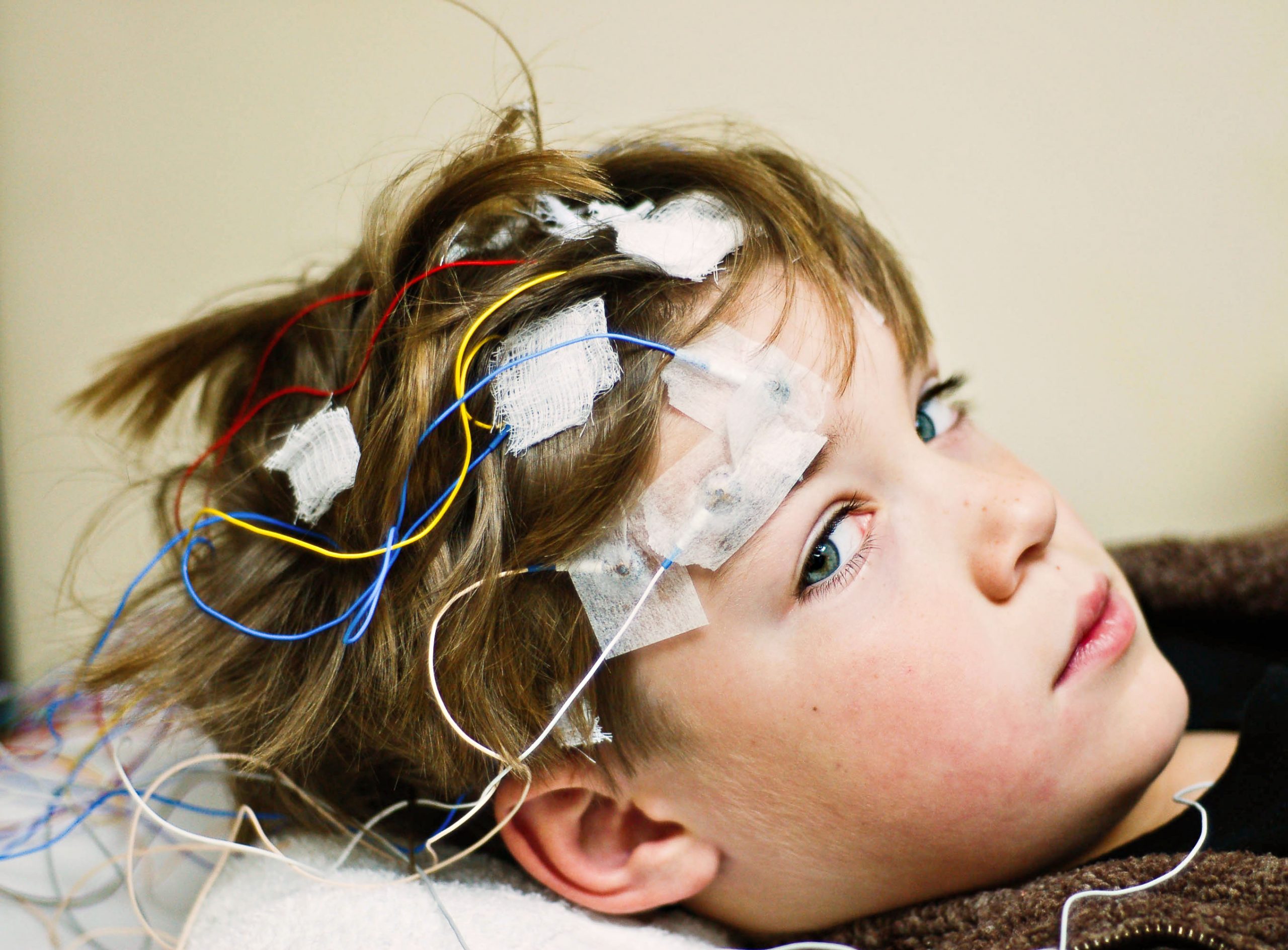
Two children with an ultra-rare epilepsy linked syndrome called SCN2A-developmental and epileptic encephalopathy (DEE) have been treated with personalized antisense oligonucleotide (ASO) therapies for their specific genetic mutations
Both children, 9 and 14-year old boys, experienced significant improvements from the therapy. They both had less seizures and could cut back or stop some of the anti-seizure medications. They also achieved improvements in language and motor skills, with the older patient walking independently for the first time after being treated
SCN2A‑DEE is a severe early‑onset epilepsy syndrome caused by pathogenic variants in the SCN2A gene, which encodes a voltage‑gated sodium channel in excitatory neurons. These variants typically lead to DEE with difficult‑to‑control seizures and profound neurodevelopmental impairment and impact around 16,000 people in the U.S
Like many rare diseases, children with SCN2A‑DEE often have different mutations, albeit in the same gene. “The therapy is deliberately designed to target the individual’s genetic diagnosis,” said principal investigator Olivia Kim‑McManus, MD, associate professor of neurosciences at UC San Diego School of Medicine and director of the Rady Precision Therapeutics Neuro-Interventional Program at Rady Children’s Hospital San Diego, in a press statement. “The ASO modifies genetic expression and what proteins are expressed.”
This study, which is published in Nature Medicine, involved investigation, design, and treatment of the two boys in parallel. To begin with, the researchers designed allele‑selective ASOs targeting heterozygous intronic SNPs in SCN2A to suppress the mutant transcript while sparing the wild-type copy
They then ran two parallel first‑in‑human N-of-1 trials for the two boys with individualized dosing. The primary endpoints were seizure frequency and neurodevelopment, plus phenotype‑tailored measures like impact on autism-like symptoms, movement problems, and gastrointestinal function
Notably, the team scanned 19 infants with related SCN2Adisorders and found that three of them could be eligible for treatment with the same ASO as the one given to the 14 year old boy in the future, as it is designed to treat a number of different mutations on the SCN2Agene
Both boys had fewer seizures on the customized drug. The younger child had an estimated 26% reduction and could come off phenytoin treatment without losing overall control, while the older child’s seizures fell by about 90%, with longer seizure‑free stretches and less need for rescue medication
Families and clinicians also saw improvements in motor function, abnormal movements, communication and gastrointestinal symptoms, and no serious safety signals emerged from the study
“We’ve seen changes across the board, showing that targeting the root genetic cause can produce measurable improvement,” said Kim‑McManus
One key improvement was that the older child began to walk on his own for the first time. “Since then, he’s been walking independently,” said Kim-McManus. “When we really think about precision therapy in a personalized way, you can’t get more personalized than that.”
The researchers are now hoping to use a similar approach to treat more children with SCN2A-related disorders as well as other monogenic conditions
News & FeaturesAntisense oligonucleotidesClinical trialEpilepsyGene mutationGenetic variantsNeurological symptomsNeuropsychiatric symptoms
