


July 22, 2026
Beyond Bubble Baths: What evidence-based self-care actually looks like
By Agency
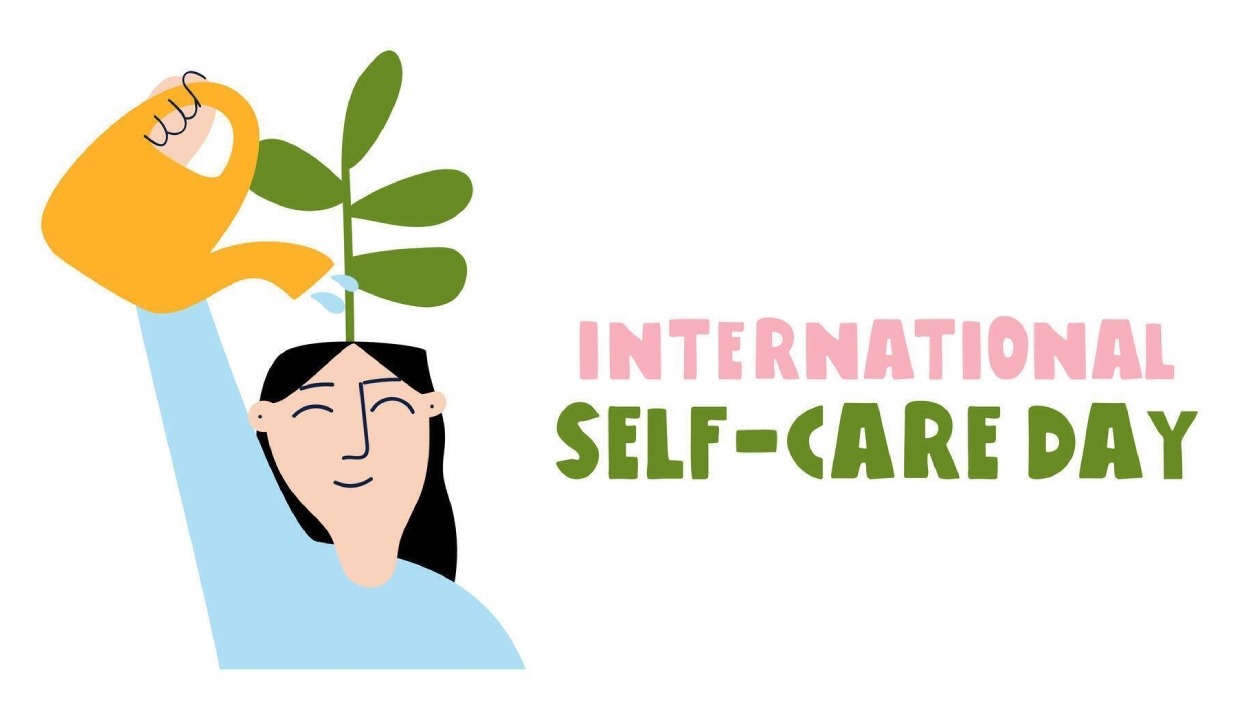
Self-care has become a marketing category. Scented candles, spa days, and weighted blankets all carry the label, and the wellness industry has been happy to sell the idea that tending to the mind is something a person can purchase. Research tells a different story. Studies point toward habits that are cheaper, less glamorous, and considerably more durable: sitting quietly with the breath, writing honestly about a hard week, and learning to say no. International Self-Care Day, observed each July 24, offers a moment to separate the practices that hold up under scrutiny from those that mostly hold up a receipt.
A Date Built to Redefine Self-Care
The observance was established by the International Self-Care Foundation in 2011, and the date itself carries a message. July 24, written as 7/24, signals that the benefits of self-care are meant to be felt 24 hours a day, seven days a week, rather than reserved for a single indulgent afternoon. More than 150 countries now recognize the day, and the U.S. Senate formally designated it in 2014. The World Health Organization has since folded it into a broader Self-Care Month, treating the self-management of health as a genuine public health tool rather than a passing lifestyle trend.
That framing draws a useful line. Self-indulgence aims at immediate pleasure, while self-care aims at function and resilience over time. A bubble bath can be pleasant, yet it rarely changes how a person handles the next stressful Monday. The habits with the strongest evidence tend to ask for effort, which is part of why they work. Therapists who treat anxiety and depression often build routines around these exact practices, and platforms like BetterHelp have organized much of their between-session support around the same principles.
Among the practices marketed as self-care, meditation carries some of the sturdiest science. A widely cited JAMA Internal Medicine review that pooled 47 trials found moderate evidence that mindfulness meditation programs can ease symptoms of anxiety and depression, with effects that held for months. The researchers were careful not to oversell the result, describing the benefits as small to moderate rather than miraculous, but the direction was consistent
Meditation asks for little more than attention and a few quiet minutes, which makes it well suited to a daily rhythm. Structured programs tend to outperform vague intentions, and a bit of guidance helps beginners push past the early frustration that makes many people quit. Educational classes and support groups offered through BetterHelp introduce mindfulness techniques alongside therapy, and counselors frequently fold breathing and grounding exercises into their work with clients managing stress. The lesson from the data is consistency. A short practice repeated most days tends to do more than an occasional marathon session squeezed in when life already feels overwhelming.
Why Writing It Down Works
Journaling occupies similar territory. Decades of research summarized by the American Psychological Association suggest that expressive writing, the practice of putting difficult thoughts and feelings into words, can improve both mental and physical health. Moving a worry out of the head and onto the page appears to interrupt rumination, the loop of repetitive negative thinking that feeds anxiety and low mood
The method is simple and forgiving. Writing for fifteen or twenty minutes about an emotional experience, across a few days and without fussing over grammar, tends to be enough to produce a measurable benefit. A journaling tool built into BetterHelp lets clients record thoughts between sessions and, when they choose, bring those entries into a conversation with their counselor. Some people write every day, while others reach for the page only during a rough stretch. Both approaches fit the evidence, since the value seems to lie in the honesty of the writing rather than in how often it happens.
Boundaries as a Skill, Not a Slogan
“Setting boundaries” has become a wellness catchphrase, yet the underlying practice is a concrete skill that many people find genuinely hard. Declining a request, leaving work at work, or limiting time with a draining relationship all demand language and follow-through that do not come naturally to everyone. This is the point where self-care stops being comfortable and starts resembling real effort, which may explain why it rarely shows up on a gift guide
Therapists treat boundary-setting as something to be learned and rehearsed rather than simply announced. Approaches such as cognitive behavioral therapy help clients identify the thoughts that make saying no feel unsafe, then practice steadier responses in low-stakes situations first. Poorly defended boundaries often show up later as burnout, resentment, or exhaustion, so the skill has real preventive value. The asynchronous messaging and between-session worksheets available through many online services give people a place to test those responses and report back. Boundaries, understood this way, are less a mood and more a muscle that strengthens with use.
Where a Platform Fits Into a Self-Care Routine
The gap between knowing these habits help and actually keeping them up is where structure matters most. BetterHelp pairs weekly sessions with a library of more than 230 worksheets, goal and habit trackers, over 35 educational classes, and more than 300 support groups, each facilitated by a counselor. In 2024, 69% of users engaged with at least one of these between-session features, according to the platform’s 2024 outcomes report
That scaffolding addresses a familiar failure point. People often leave a session motivated, then lose momentum well before the next one, and therapy that stalls between meetings can quietly fade. Tools that track progress, prompt reflection, and connect users with others facing similar challenges can keep a routine alive during an ordinary week. Practiced this way, self-care becomes a set of repeatable actions rather than a burst of good intentions that evaporates by Wednesday. The habits themselves cost nothing, but the reminders and structure that sustain them are often what turn a good idea into a lasting one.
The Limits of Doing It Yourself
None of these practices is a substitute for professional care. Meditation, journaling, and firm boundaries can support mental health, yet they work best alongside treatment when someone is contending with a diagnosable condition. Self-care also carries limits worth naming plainly. A person in crisis or facing thoughts of self-harm needs immediate, hands-on help rather than a breathing exercise, and emergency services or a crisis line are the right first call
Used with that caveat in mind, evidence-based self-care offers something the wellness aisle cannot. It is inexpensive, portable, and grounded in research, and it hands a measure of control back to the person practicing it. International Self-Care Day makes that case once a year, but the practices it spotlights are built for the other 364. Approached as skills to build rather than products to buy, meditation, journaling, and boundary-setting tend to reward the people willing to keep showing up for them.
0 Comments
