


Blue Zones Assessment Finds Mission, RGV Ready for Full Community Well-Being Transformation – Rio Grande Guardian
Skip to main content
- <img src="https://healthylife7.com/wp-content/uploads/2026/07/20250730-112317-c2f-RGG-20Logo-20-281-29-1.png-1.png” alt=”Rio Grande Guardian logo”>




1Healthcare
Blue Zones Assessment Finds Mission, RGV Ready for Full Community Well-Being Transformation
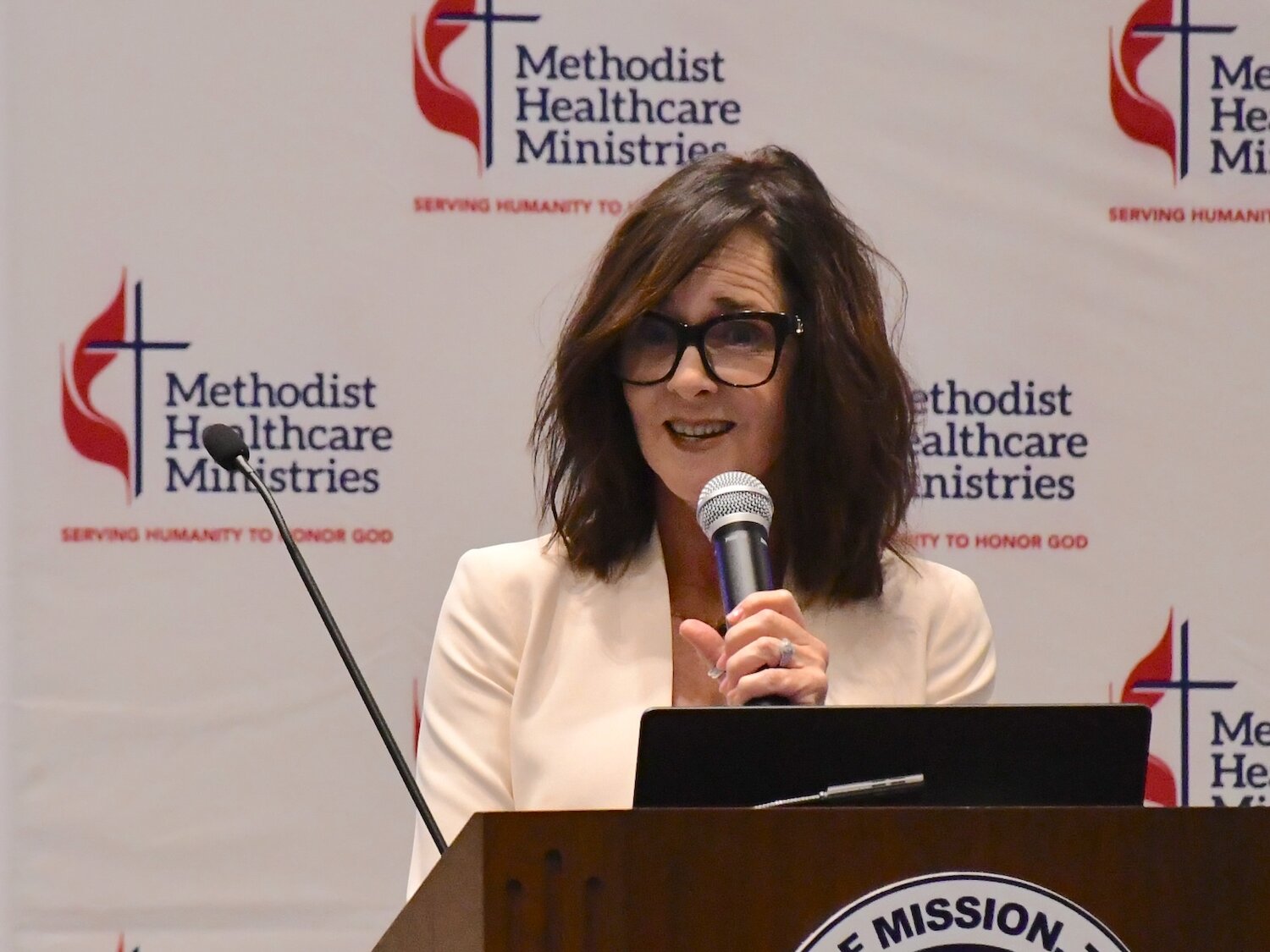
Shelly Trumbo, COO of Blue Zones. (Photo: RGG/Steve Taylor)
Posted
Thursday,July 23, 20268:04 am
By Dayna Reyes, Reporter
MISSION, Texas — The Rio Grande Valley is primed for a multi-city health and well-being transformation, according to an extensive evaluation presented by Blue Zones, LLC
Speaking at an in-depth community readout at the Mission Event Center on July 20, Shelly Trumbo, Chief Operating Officer of Blue Zones, delivered the findings of a six-month readiness assessment conducted across Mission, Edinburg, McAllen, and Pharr. The initiative, carried out in partnership with Methodist Healthcare Ministries of South Texas, Inc., evaluated whether the region possesses the infrastructure, leadership, and public appetite to execute a full Blue Zones project
Trumbo’s assessment was clear: the Rio Grande Valley has the momentum and capability required to move forward
“Our conclusion is that the Rio Grande Valley is ready for a full Blue Zones project,” Trumbo announced to local officials, healthcare leaders, and community stakeholders. “Every single city demonstrated meaningful strengths, passionate leaders, and organizations that are already working to improve health and well-being… we aren’t starting from scratch.”
High Engagement and Regional Collaboration
The readiness evaluation, known as the “Ignite” phase, measured community capacity across three primary pillars: People, Places, and Policy. To determine feasibility, Blue Zones utilized a weighted scorecard prioritizing leadership commitment, implementation capability, and sector alignment
Trumbo highlighted the exceptional level of community participation throughout the process, noting that more than 600 Valley residents and leaders engaged in focus groups, interviews, and presentations
Specific Opportunities for Mission
While emphasizing that a Blue Zones transformation is co-created with local leadership rather than imposed from the outside, Trumbo outlined several immediate opportunities tailored to Mission and the broader Valley:
- Agricultural and Food Security Connections: Capitalizing on Mission’s agricultural roots by expanding student farm-to-school programs, establishing a permanent home for the Mission Farmers Market, and enhancing nutrition access in surrounding colonias.
- Regional Food Recovery Network: Coordinating efforts among local food banks, healthcare systems, municipal leaders, and major grocers like H-E-B to reduce food waste and streamline distribution to families in need.
- Active Transportation & Public Spaces: Testing downtown enhancements using low-cost, reversible trials—such as temporary parklets, enhanced crossings, and outdoor dining spaces—before committing major capital investments.
Next Steps: The Road to Transformation
The presentation outlined the standard Blue Zones lifecycle, which transitions from assessment into a 9-month Foundation Phase, followed by a multi-year Transformation Phase aimed at achieving formal Blue Zones Community Certification
1: Months 1–3: Infrastructure & Hiring
Establish the governing steering committee, launch local communications platforms, and hire and train a dedicated local Blue Zones team from within the RGV community
2: Months 4–6: Discovery & Baseline Data
Sector Engagement
Mobilize sector committees across schools, work sites, and policy groups. Conduct a comprehensive Gallup Well-Being Survey to set baseline metrics
3: Months 7–9: Strategic Blueprint & Kickoff
Community Action
Host policy summits and author the finalized Community Blueprint. Host a high-visibility public kickoff event to launch the full Transformation Phase
“Blue Zones is truly community powered,” Trumbo noted in closing. “Our role is to provide the framework, the expertise, and the support—but the work is really led by local leaders, a dedicated team, sector committees, and hundreds of volunteers.”
With the readiness phase complete, municipal leaders and regional partners will evaluate the report’s recommendations as they consider moving into formal project execution
