


Healthcare07/08/2026
Can design really support mental wellbeing? 7 projects exploring the question
by Annamaria Maffina
Wearable devices, domestic objects, and interactive systems are transforming emotions, memory, and meditation into new experiences of care. Wellness is no longer (only) about the body: design seems to be moving from creating products towards shaping inner experiences
Design has always created objects in relation to the human body. Today, however, a different tendency is emerging, as its field of action is shifting towards something far less tangible and almost elusive: the mind and its emotional states. But how is this possible?Through a new generation of devices that can (or seek to) detect emotions, stress, and moods, transforming them into data to be interpreted and used as a means of support and relief
This is not simply a technological evolution or revolution but rather the sign of a broader cultural change, where the inner dimension of human experience is receiving unprecedented attention. Emotions are no longer considered exclusively subjective experiences, but become measurable information, translated through the detection of biological parameters such as heart rate, brain activity, touch, movement, or voice. At the core of this emerging design perspective lies a principle — or perhaps an ambition, depending on how it is interpreted: transforming what is invisible into an interface, whether visual or interactive, through which people can engage with their inner state and potentially reach a more balanced mental condition.
Gallery
Pulse Pack @ Konel_Mental wellbeing
Pulse Pack @ Konel_Mental wellbeing
Pulse Pack @ Konel_Mental wellbeing
Flow @ Siwoo Kim_Mental wellbeing
Flow @ Siwoo Kim_Mental wellbeing
Flow @ Siwoo Kim_Mental wellbeing
Flow @ Siwoo Kim_Mental wellbeing
Flow @ Siwoo Kim_Mental wellbeing
Cognitive Bloom @ Map Project Office_Mental wellbeing
Cognitive Bloom @ Map Project Office_Mental wellbeing
Clover @ Seyeon Park, Jiwon Park, Yujin Song, Jina Kim, and Bin Son_Mental wellbeing
Clover @ Seyeon Park, Jiwon Park, Yujin Song, Jina Kim, and Bin Son_Mental wellbeing
Clover @ Seyeon Park, Jiwon Park, Yujin Song, Jina Kim, and Bin Son_Mental wellbeing
Clover @ Seyeon Park, Jiwon Park, Yujin Song, Jina Kim, and Bin Son_Mental wellbeing
Wellbeing @ studio Pong_Mental wellbeing
Wellbeing @ studio Pong_Mental wellbeing
Wellbeing @ studio Pong_Mental wellbeing
Wellbeing @ studio Pong_Mental wellbeing
Wellbeing @ studio Pong_Mental wellbeing
Ohm device _Mental wellbeing
Ohm device _Mental wellbeing
Ohm device _Mental wellbeing
Open full width
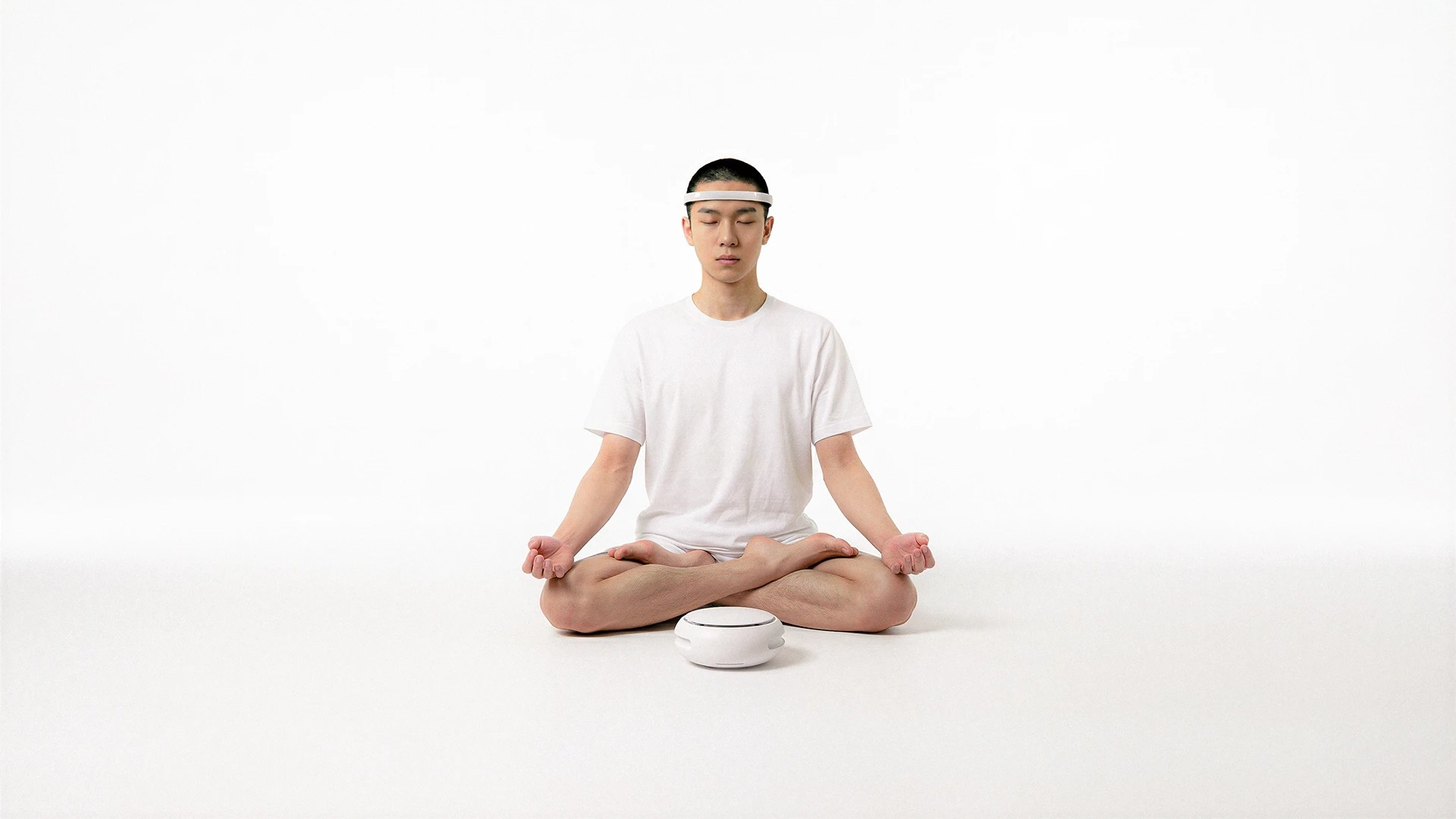
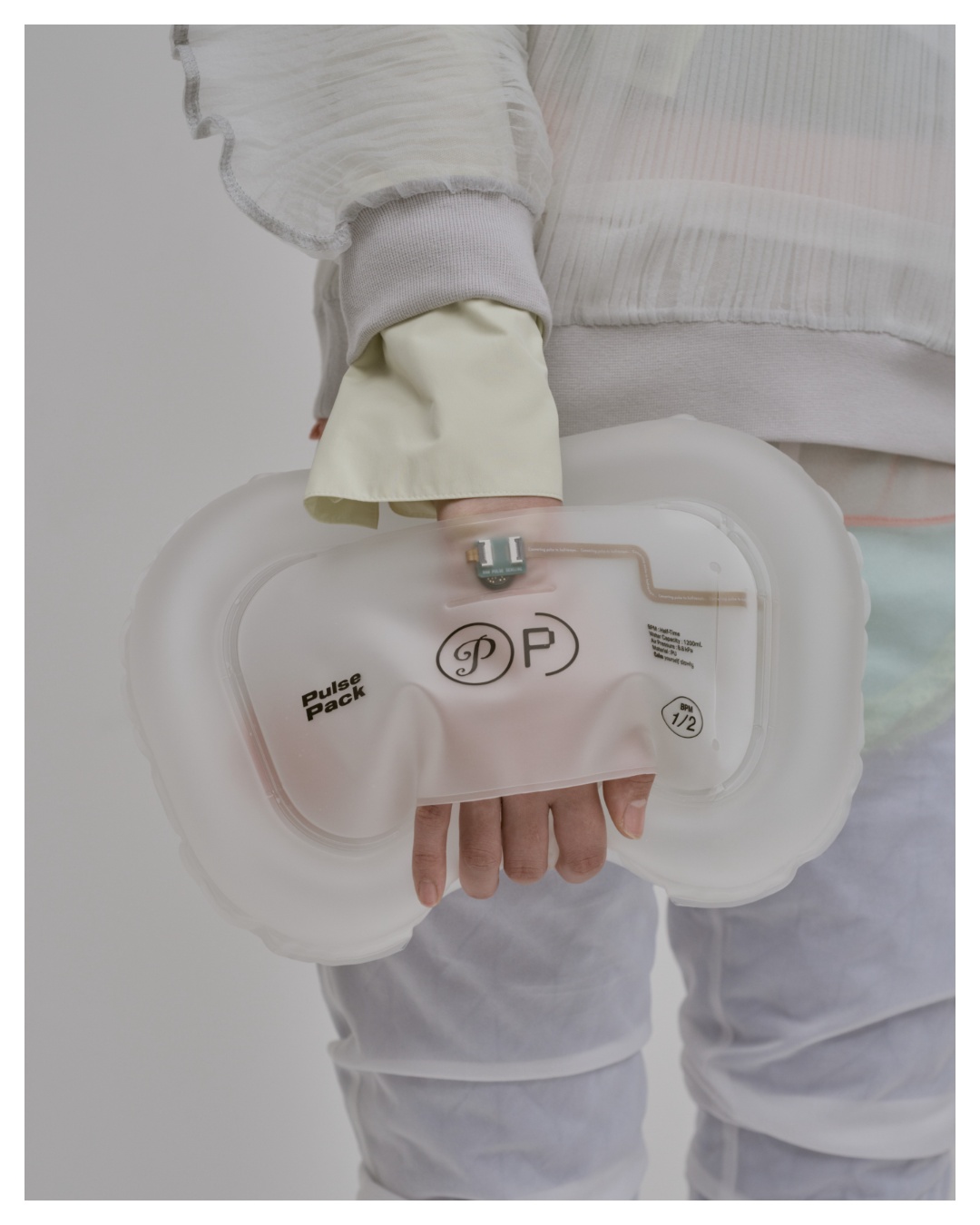
From wearable devices to ambient systems, these projects explore new ways of connecting the body, emotional experience, and technology. From Cognitive Bloom, which transforms inner states into a garden that can be cultivated, to Pulse Pack, which uses the heartbeat as a tool to regain calm, new approaches to meditation are instead supported and expanded by solutions such as Flow and Novan
The common thread connecting these projects (as well as many others already in use or currently imagined by designers) is the transition from emotion as a private experience to emotion as an observable system. They all share the same ambition: to design new relationships with mental wellbeing. Some achieve this through physiological and sensory feedback, while others rely on rituals, memory, meditation, or transformations of the domestic environment
But this raises a critical question: do these technologies truly help us understand ourselves better, or do they risk turning even our inner lives into something digital? The boundary is fragile, and this topic requires careful consideration and knowledge not only within design but also within the field of wellbeing, supported by professionals and appropriate research tools
The curiosity is now open: the following projects explore this emerging intersection between technology, mental wellbeing, and design
Devices designed for mental wellbeing:
Cognitive Bloom: a digital garden for cultivating awareness
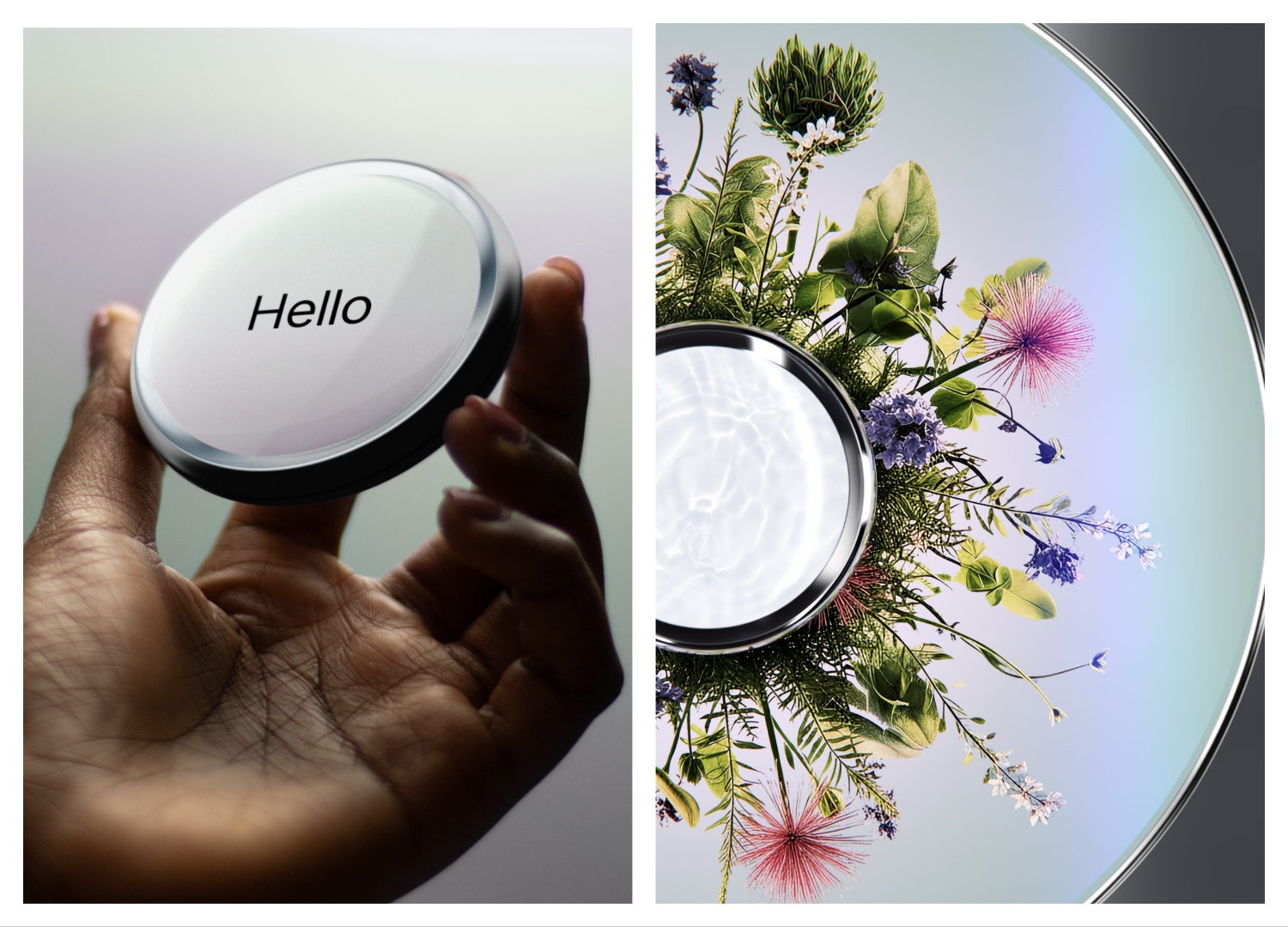
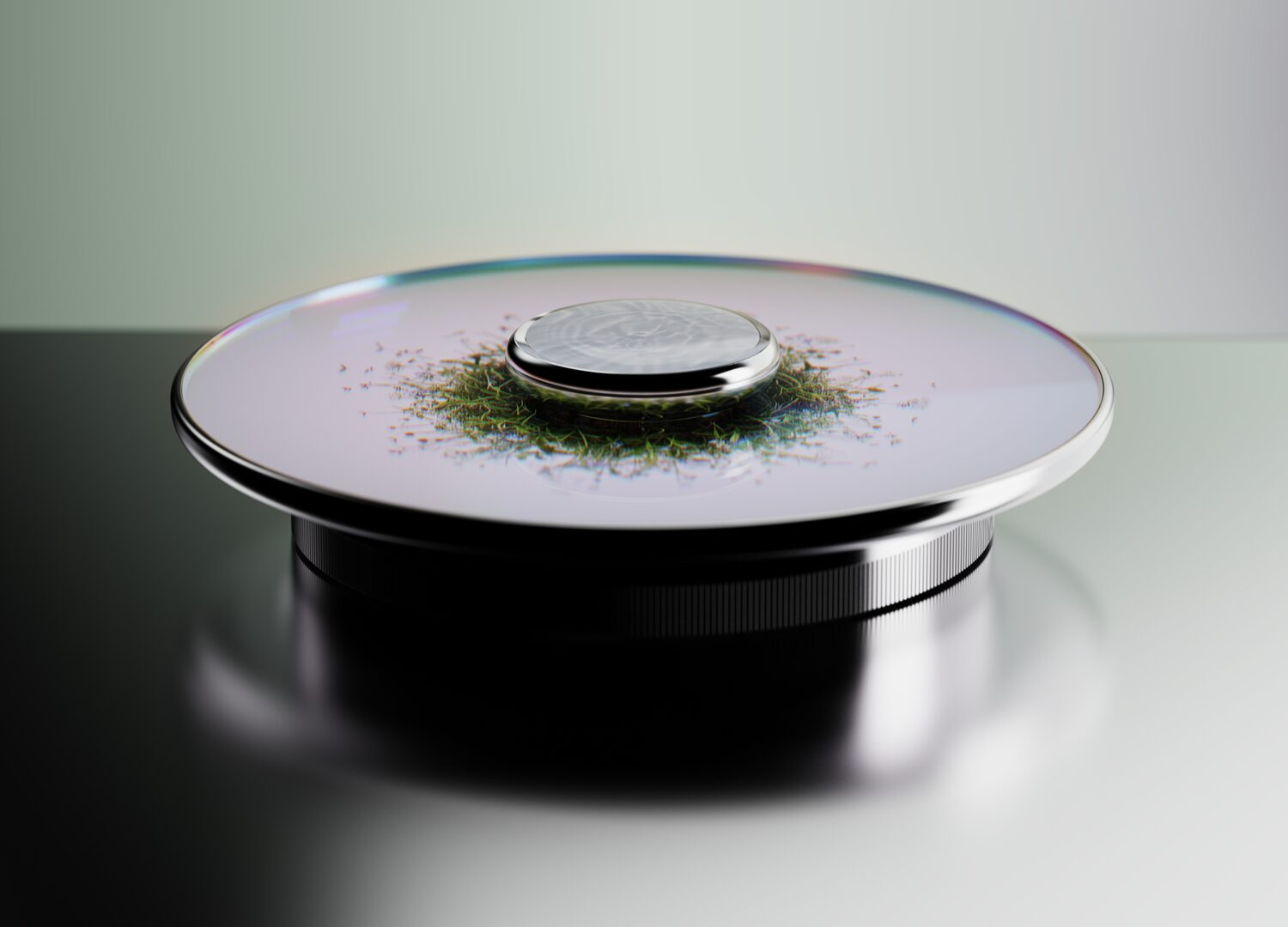
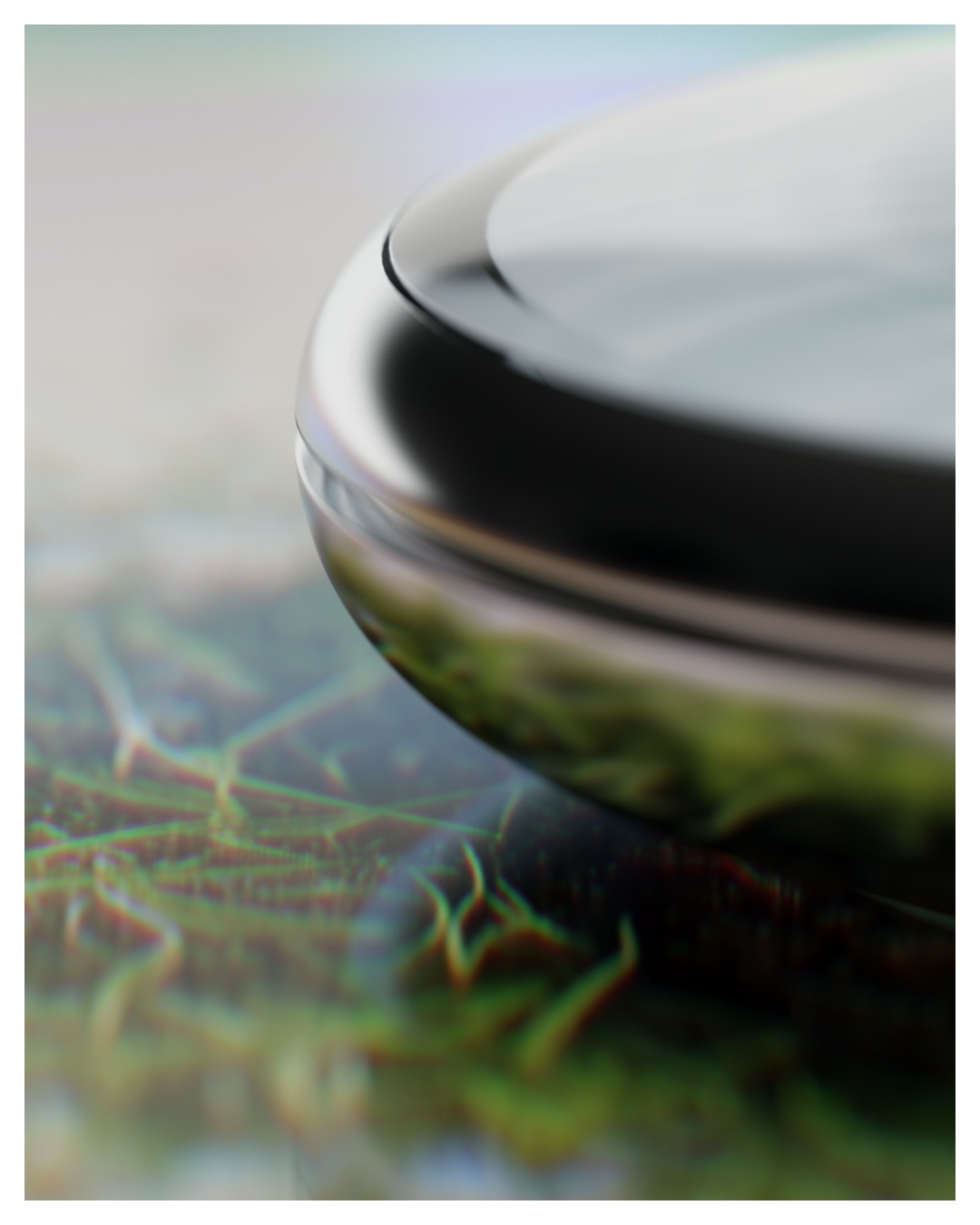
Designed by Map Project Office together with designer and researcher Chanwoo Lee, Cognitive Bloomimagines a domestic device that, through the use of AI, transforms introspection into a daily ritual. The system combines a portable interface, which guides users through questions and reflective prompts, with a display that represents their inner state as a continuously evolving garden
Buds, leaves, and blossoms visualize personal growth, making data and information that would normally remain invisible more intuitive and understandable. Through the metaphor of gardening, the inner self is not seen as something to fix or improve, but as something to cultivate over time, transforming self-care into a patient, continuous, and deeply personal practice
Pulse Pack: the bag that follows the rhythm of the heart
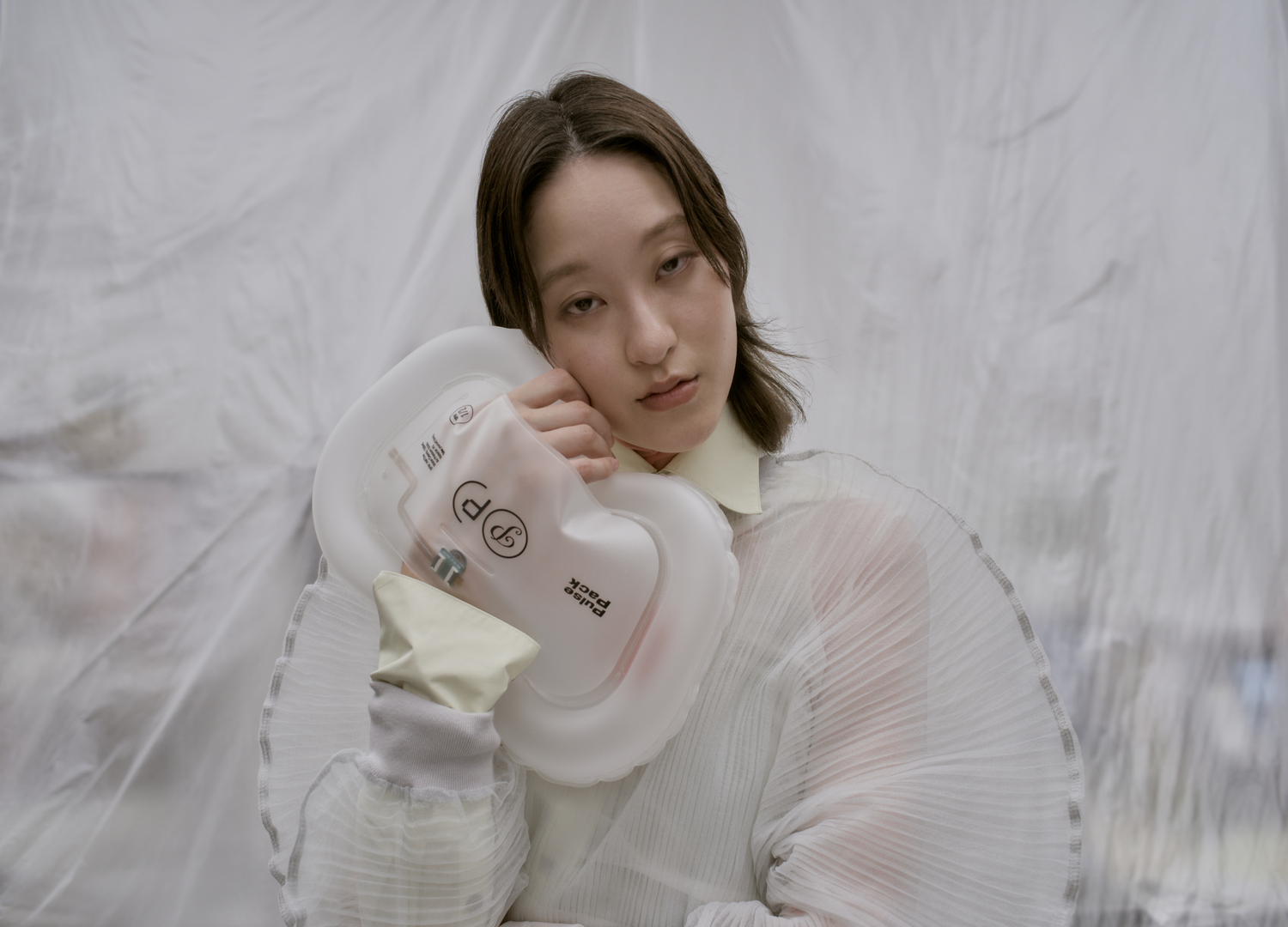
Developed by creative studio Konel, Pulse Pack is a wearable bag that detects the wearer’s heartbeat and translates it into subtle haptic pulses at a slower frequency. This rhythm encourages users to slow down, relax, and regain focus without interrupting their daily activities. The project shifts attention from the object itself to the perception of the body, turning heartbeat into a reference point for finding calm and presence. In this case, design supports self-regulation practices without relying on screens or notifications, but through a discreet and embodied interaction.
Ohm: the lamp that guides breathing to restore balance
More than a technological device, Ohm presents itself as a simple domestic object. Through light, sound, and haptic feedback, the lamp guides users through resonant breathing exercises, a technique that helps synchronize breathing, heart rate, and the nervous system. A small stone element equipped with biometric sensors detects bodily signals in real time and adapts the rhythm of the session, transforming a therapeutic practice into a simple and everyday gesture. Ohm is not conceived as a wearable device or an app to consult, but as an object integrated into the domestic environment. Guided breathing becomes a daily ritual, where design becomes a “companion” that helps create the right conditions to encourage states of calm and self-regulation.
Flow: the wearable that makes meditation more accessible
Designed by Siwoo Kim as part of the Samsung Design Membership – Intensive Course, Flowis a system of wearable devices created to support meditation practices through the analysis of physiological data collected during sessions. It consists of two elements: StillFlow, designed for the home environment, combines a headband with a station that provides real-time feedback through light and sound; AirFlow, instead, extends the experience beyond the home through a system of earbuds that adapts audio based on the user’s state. Thanks to multimodal sensors and synchronization with connected devices, Flow transforms biofeedback into a tool for meditation support, helping users develop a more consistent and mindful practice while promoting calm and concentration, even during busy and stressful moments.
Wellbeing: everyday objects for a new approach to care
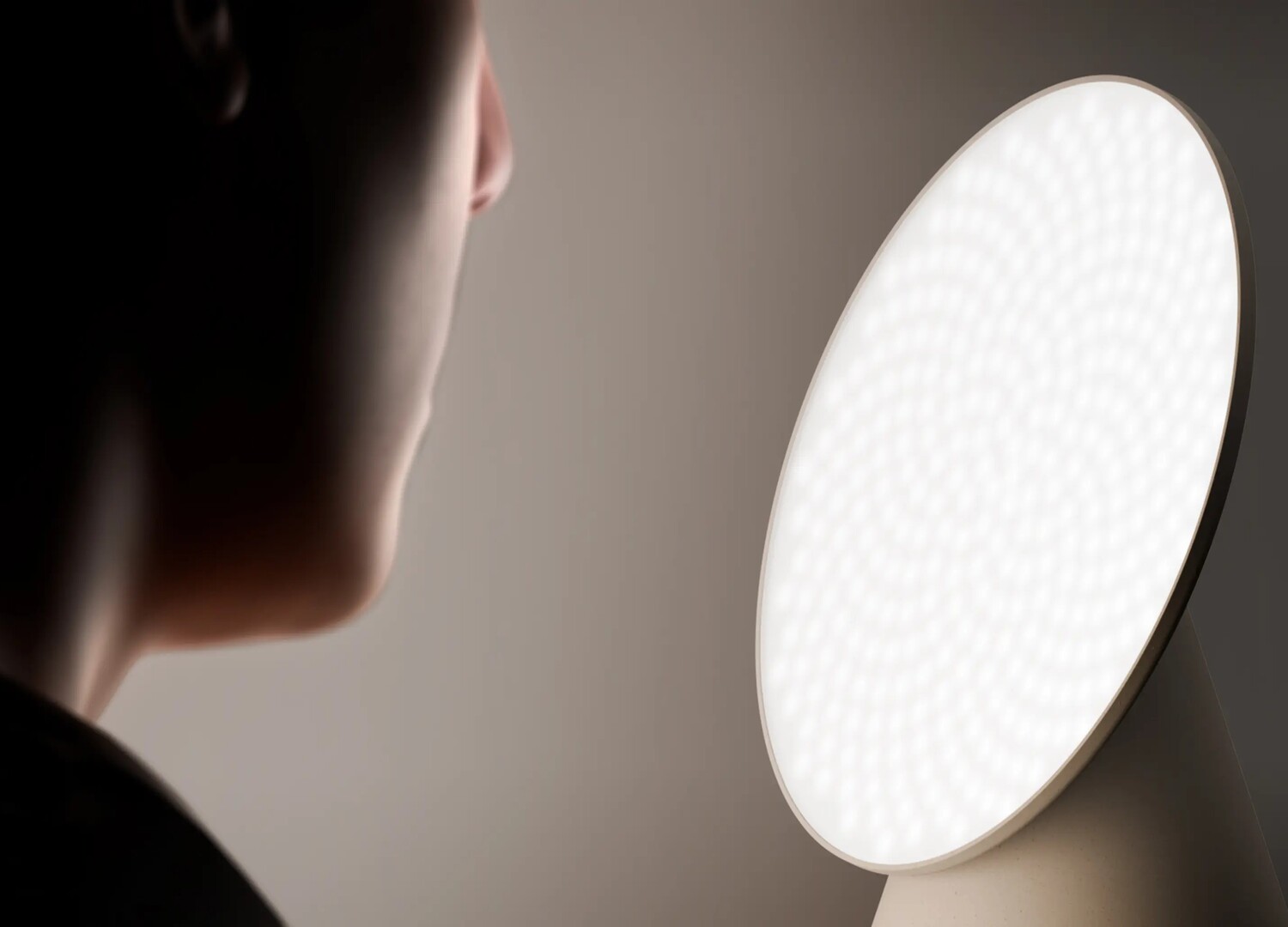
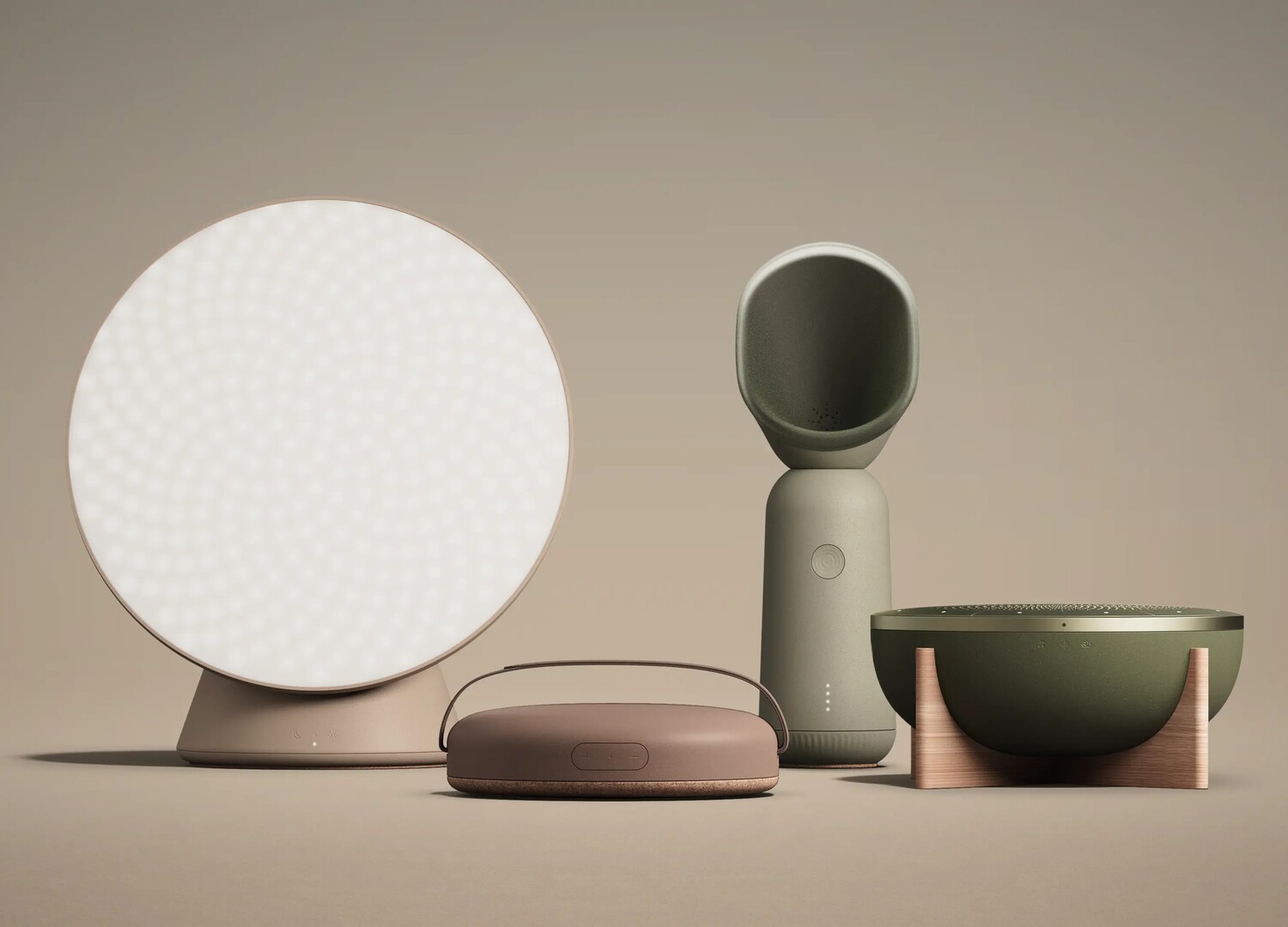
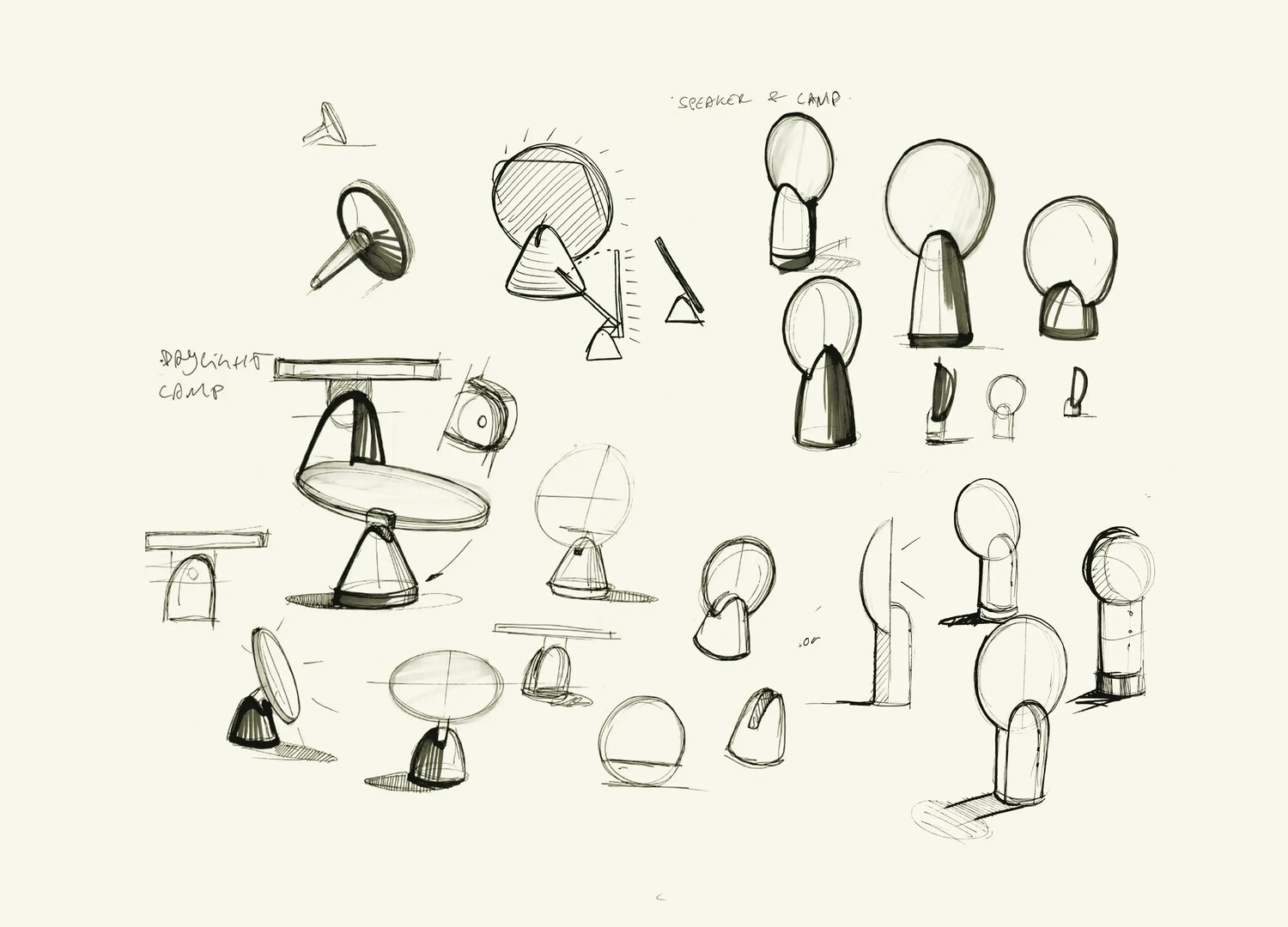
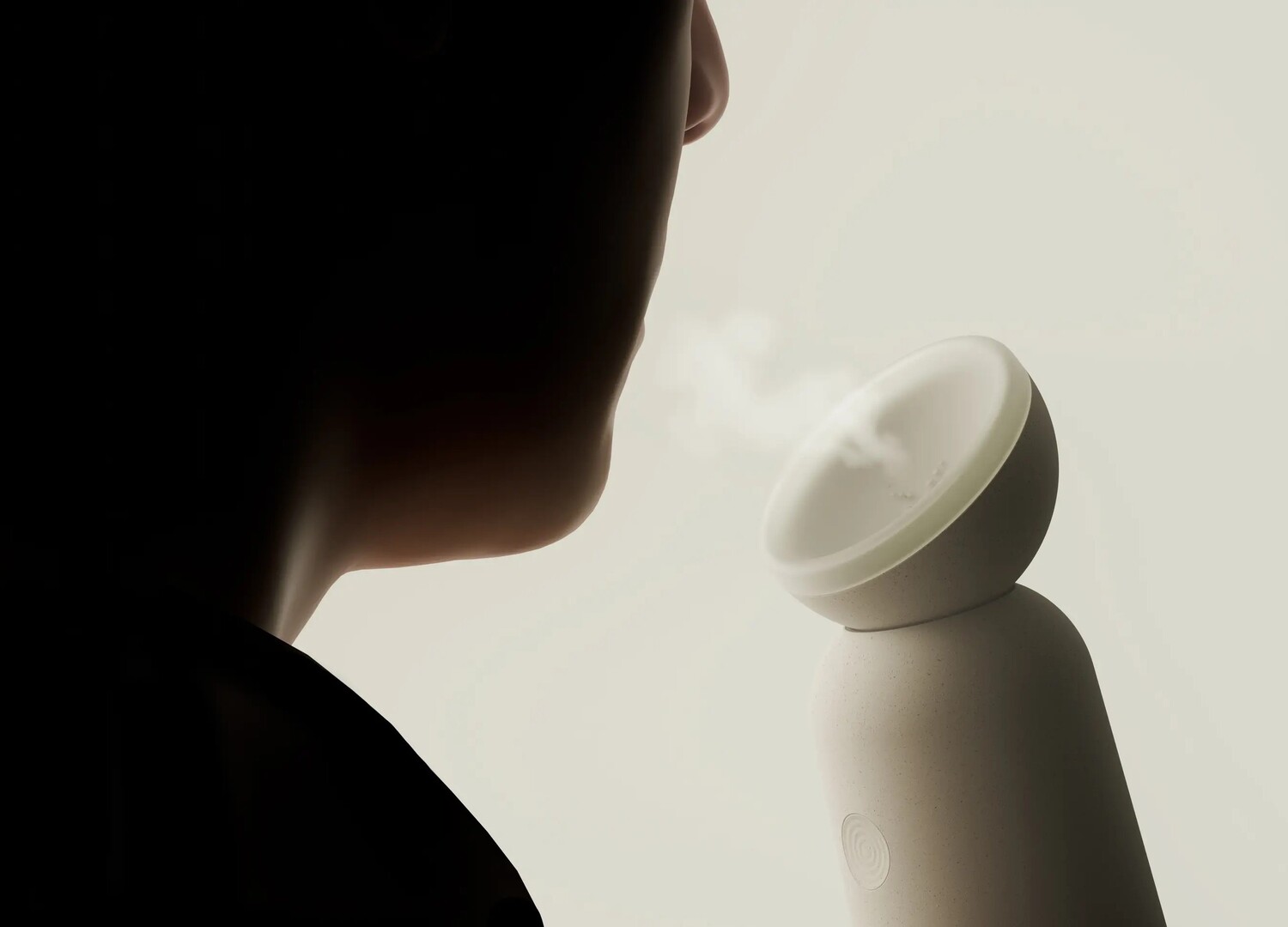
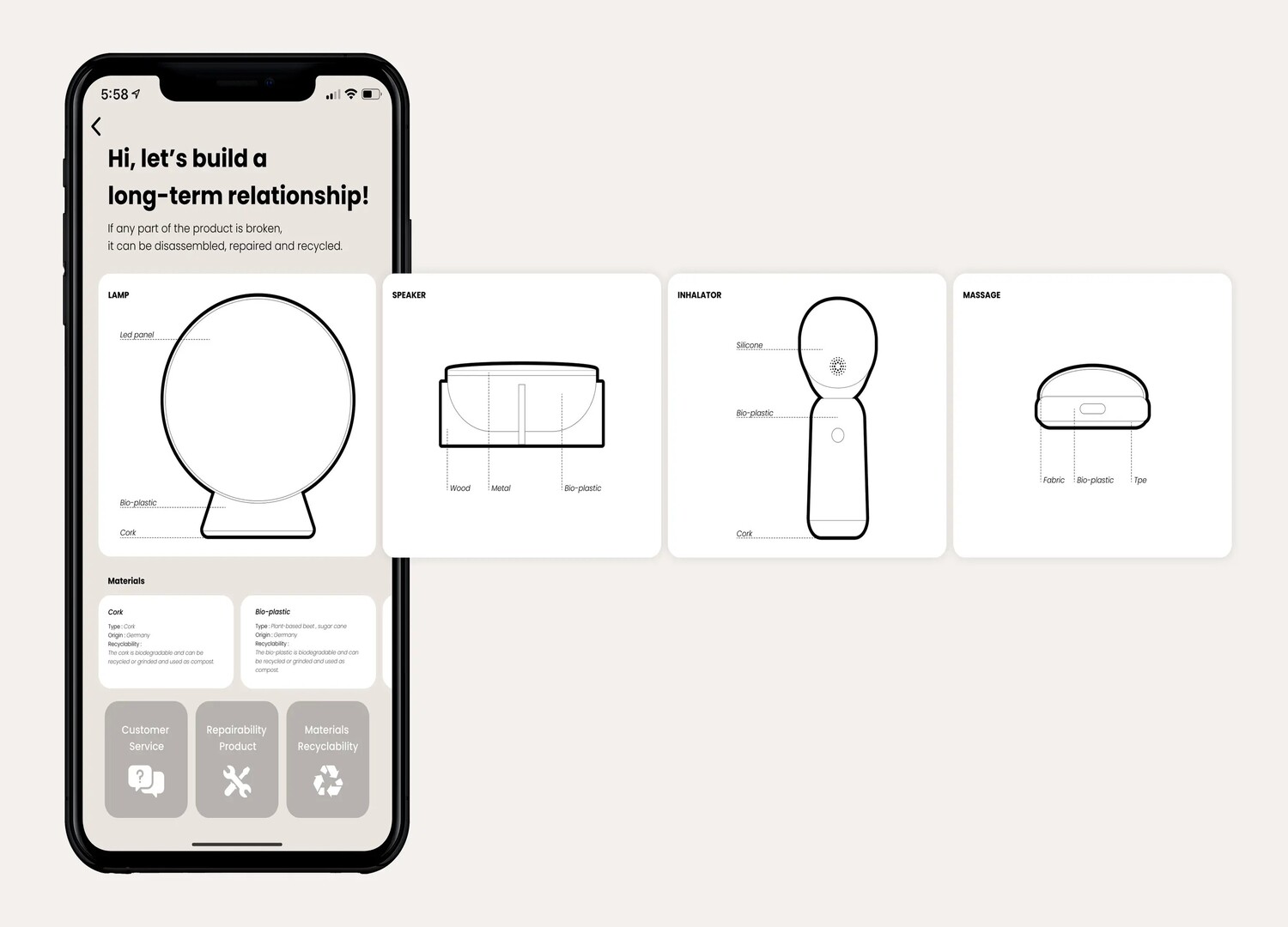
With Wellbeing, studio Pong explores how design can make practices related to mental and physical wellbeing more accessible, moving beyond the cold and clinical aesthetics traditionally associated with medical products. Developed through research into mindfulness and the growing attention toward self-care, the collection includes a series of objects dedicated to light therapy, breathing, meditation, and muscle relaxation, designed to naturally integrate into everyday domestic life. Light therapy lamps, meditation speakers, nebulizers, and massage devices are reimagined through natural materials, soft forms, and a multisensory approach that makes them feel more familiar and less clinical. The project demonstrates how wellbeing products can become everyday companions, supporting healthier routines while blending seamlessly into contemporary living environments.
Novan: a bracelet turning technology into emotional support
Developed by Industrial Design students from the Institute of Design (ID) at Illinois Institute of Technology (Illinois Tech), Novan imagines a future in which technology can help people engage with their emotions rather than avoid them. The project is an emotional regulation bracelet that uses tactile feedback to support users during moments of stress or discomfort, translating principles from therapeutic approaches such as CBT, DBT, and EMDR into a more accessible and everyday experience. The device can be used in two ways: worn on the wrist, where it delivers gentle rhythmic stimulation, or held between the hands to activate an experience inspired by bilateral stimulation techniques used in some therapeutic practices.
Clover: building wellbeing by preserving positive memories
Designed by Seyeon Park, Jiwon Park, Yujin Song, Jina Kim, and Bin Son, Cloveris a system composed of a voice recorder and a calendar designed to help people preserve and revisit positive experiences. Users can record meaningful memories and associate them with specific dates, gradually creating a personal collection over time. The calendar brings these memories back through a dedicated visualization system and reflective prompts that encourage introspection, helping users reconnect with the sensations and feelings associated with past experiences. Rather than monitoring emotional states, CLOVER creates a ritual of awareness based on memory, suggesting how small daily actions can contribute to psychological wellbeing and foster a more attentive relationship with one’s inner life.
Tags
Healthcare
Innovation
Smart Living
Wearable
All topics
Useful Links
About the author
Annamaria Maffina
With a background in classical/humanistic studies, I work in communication and collaborate with design magazines. I write what I’d love to read
