


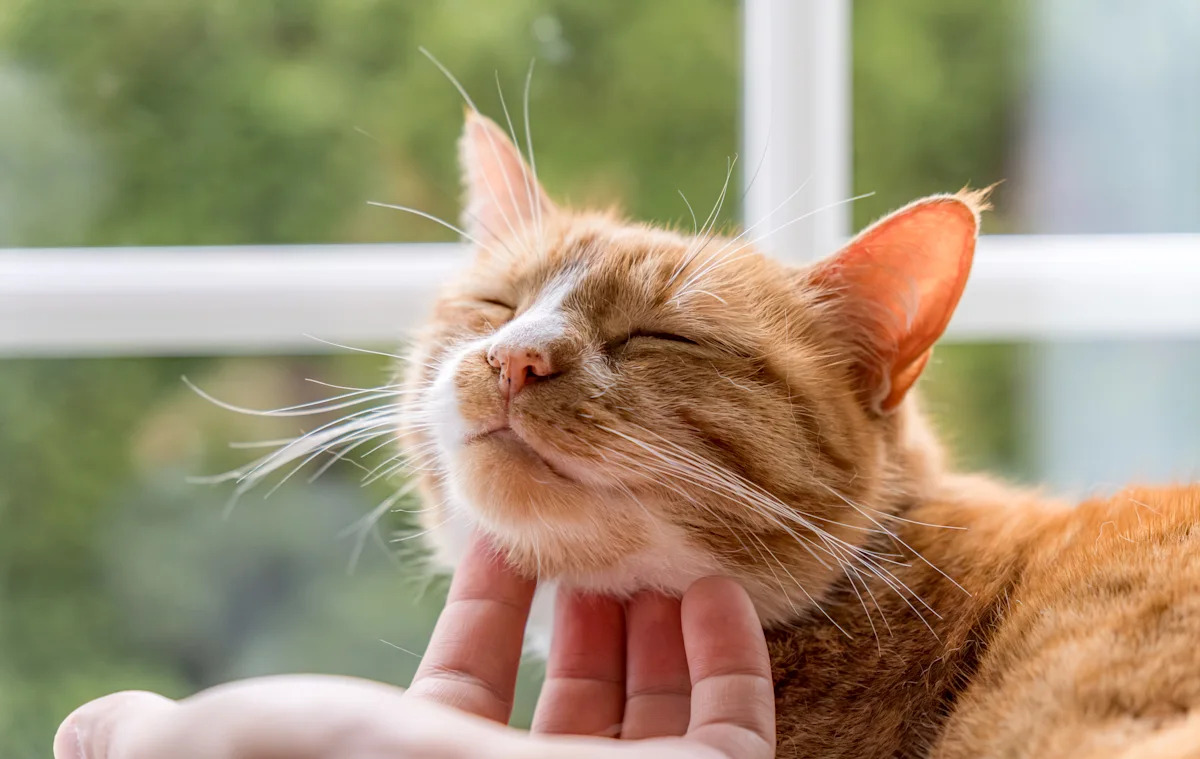
A growing body of scientific inquiry has given us some very unique information. It indicates that sharing a home with domestic cats may be associated with cardiovascular benefits
You see, historical public health research often highlighted the active lifestyle benefits associated with canine ownership. But some epidemiological data and clinical trials underscore a distinct connection between two things. These are feline companionship and human cardiovascular longevity
One observational study found that people who had owned cats had a lower risk of death from heart attack, though it could not establish that cat ownership directly caused this benefit. Astoundingly, this includes myocardial infarctions and cerebrovascular strokes. This article explores the physiological, neurochemical, and psychological mechanisms driving these profound medical benefits
The landmark epidemiological evidence
First, we need to understand how cat ownership shields the human vascular system. For this purpose, researchers have analyzed long-term health data tracking thousands of adults. The most definitive evidence originates from a landmark 20-year prospective cohort study
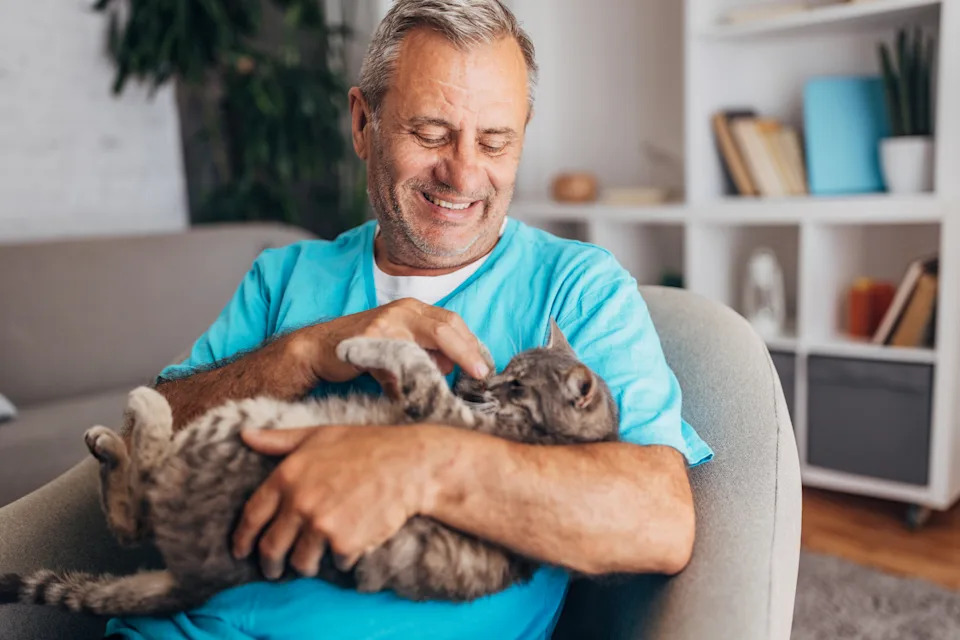
It was conducted by researchers at the Zeenat Qureshi Stroke Institute, which evaluated data from over 4,000 participants within the National Health and Nutrition Examination Survey (NHANES). The findings revealed a stark statistical divergence. Individuals who owned a cat at any point in their lives exhibited a significantly lower mortality rate. This was in comparison to heart attacks compared to their pet-free counterparts
Advertisement
This survival advantage persisted even after researchers meticulously adjusted for confounding variables. This included age, biological sex, race, systemic blood pressure, cigarette smoking, Type 2 diabetes, high cholesterol, and body mass index (BMI).
The health benefits of feline companionship operate directly on the body’s internal stress pathways. They modify how the central nervous system regulates the heart and blood vessels during daily life
Autonomic regulation and blood pressure dynamics
The primary pathway through which feline companionship protects the cardiovascular system is the regulation of the autonomic nervous system (ANS). Under conditions of chronic psychological strain, the overactivation of the nervous system elevates blood pressure. It accelerates heart rate and triggers arterial wear. This accelerates the progression of cardiovascular disease
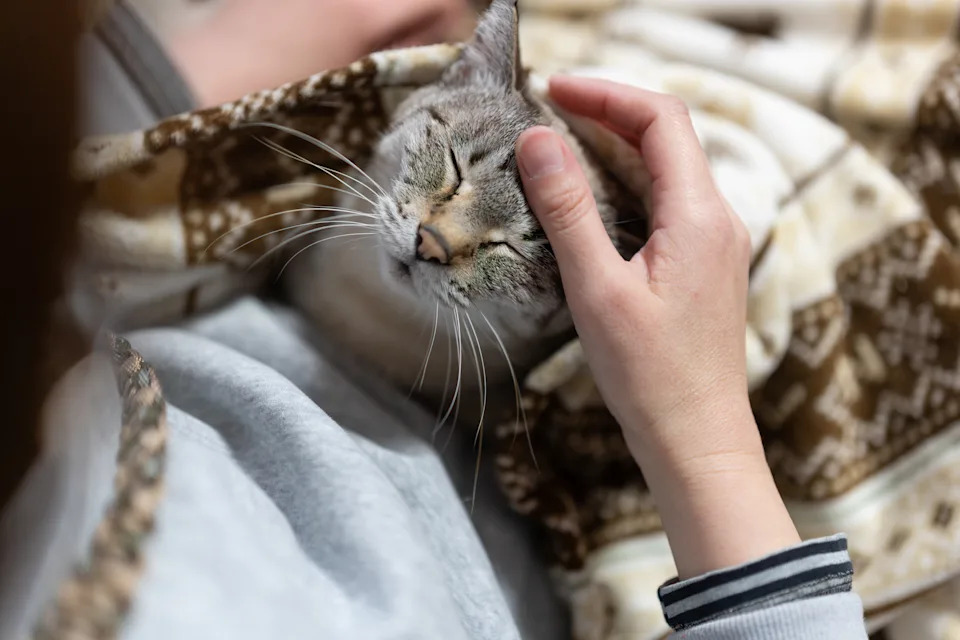
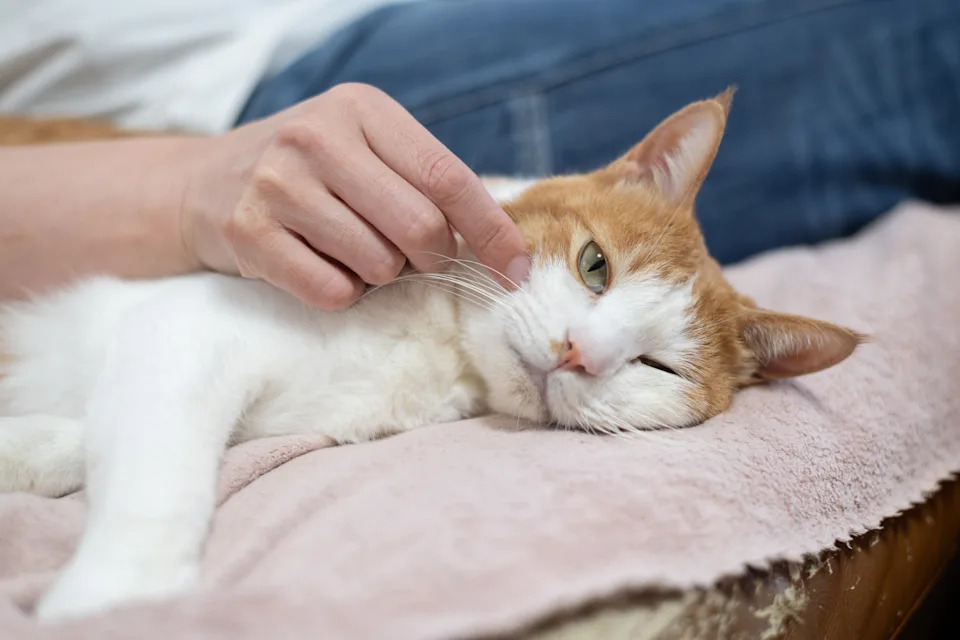
Domestic cats act as natural modulators of this harmful stress loop. Clinical studies monitoring real-time physiological metrics have demonstrated something. The simple act of petting a cat induces reductions in both systolic and diastolic blood pressure
Advertisement
This tactile interaction suppresses the body’s overproduction of cortisol. It is a primary stress hormone that damages blood vessels over time
Concurrently, feline interactions preserve endothelial function (the inner lining of blood vessels). And thereby, they prevent the acute arterial constriction that frequently triggers major cardiac events. This is especially during moments of sudden emotional distress
The biomechanical impact of feline purring
Beyond basic tactile comfort, felines possess an entirely unique therapeutic mechanism. The acoustic and vibrational properties of purring. Domestic cats purr at a continuous frequency that ranges precisely between 20 Hz and 150 Hz
Sound frequencies within this range are also used in certain therapeutic applications, including promoting tissue healing, improving joint mobility, reducing localized pain, and, in some cases, supporting breathing treatments
Advertisement
Sometimes, a cat purrs while resting against an owner’s chest or lap. Well, these low-frequency mechanical vibrations are transferred directly to the human body. This subtle vibration can stimulate the vagus nerve
This is a major component of the parasympathetic nervous system. Vagal nerve stimulation slows the heart rate and lowers myocardial oxygen demand. Also, it promotes a state of deep somatic relaxation. It works towards lowering the overall cardiac workload
And by doing so, the biomechanical phenomenon reduces long-term wear and tear on the heart muscle. They offer passive protection against chronic congestive heart failure
Neurochemical profiles of feline interaction
The cardiovascular benefits of cat ownership are deeply intertwined with the brain’s neurochemical landscape. Interacting with a companion animal alters neurotransmitter synthesis and release in the human brain. This transitions the body from an anxious state to a restorative one
Oxytocin Release
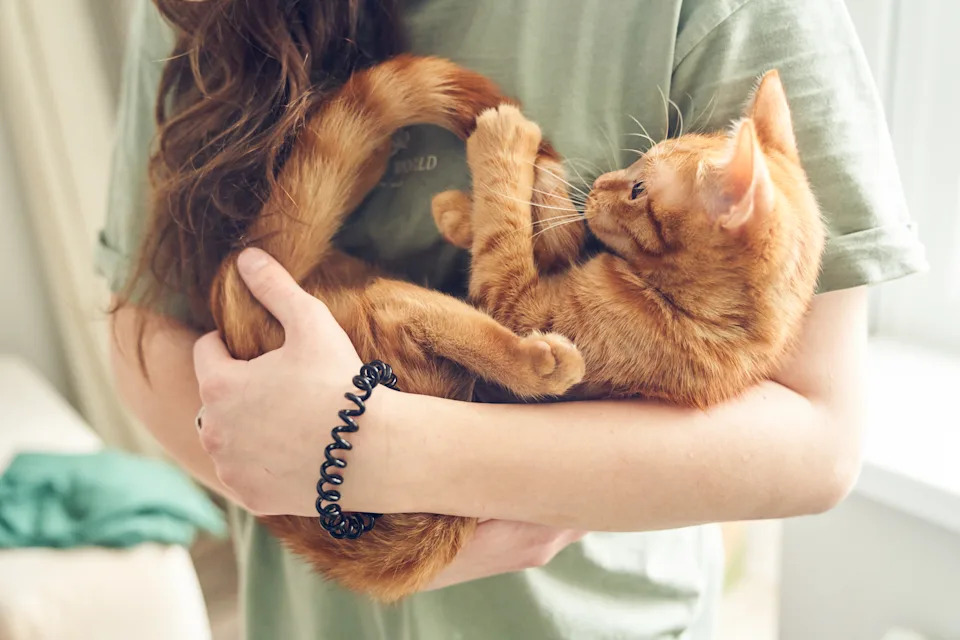
Some evidence suggests cuddling or looking into a cat’s eyes triggers an immediate surge of oxytocin. It is often referred to as the bonding hormone
Advertisement
Oxytocin directly counteracts the physiological effects of adrenaline and cortisol. It reduces vascular resistance and induces systemic vasodilation
Dopamine and Serotonin Elevation
Peaceful interactions with felines may promote the release of neurotransmitters associated with positive mood. These neurotransmitters regulate mood
They mitigate symptoms of clinical anxiety and alle documented psychological risk factors for ischemic heart disease
Mitigating Loneliness and Ischemic Risk
Public health agencies increasingly recognize social isolation and chronic loneliness. Some studies compare loneliness with established cardiovascular risk factors. Cats provide a stable, non-judgmental
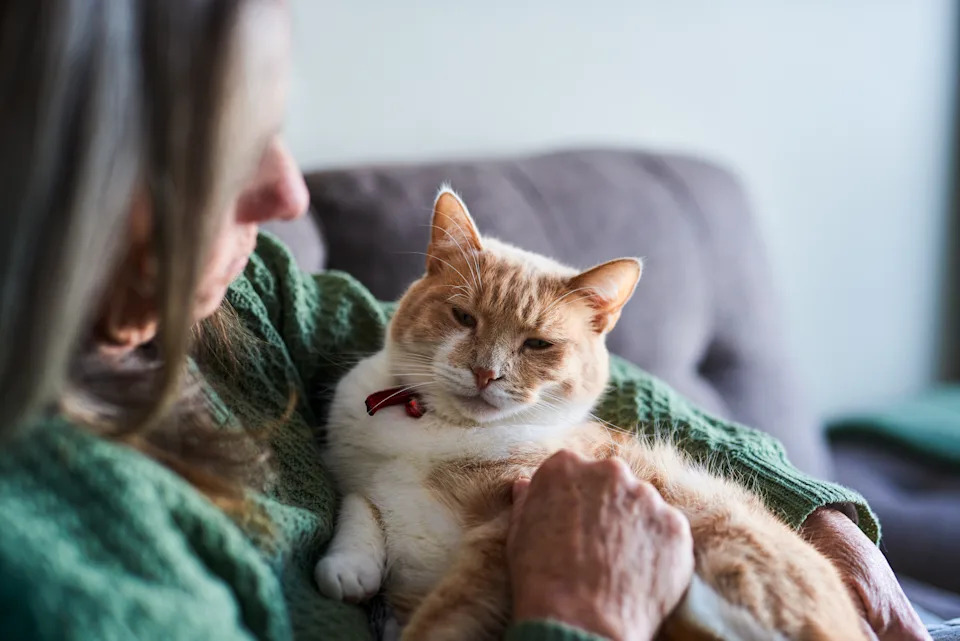
This is very useful for individuals living alone and elderly populations. Also, for those managing high-stress careers. The presence of a feline companion provides a consistent sense of purpose and routine
Advertisement
The predictable nature of feline care (feeding schedules, grooming, and interactive play) creates positive behavioral anchors
This consistent emotional grounding may help reduce feelings of loneliness and improve emotional well-being. These are known to double an individual’s statistical risk of developing secondary cardiac complications
Conclusion
While owning a cat is not a substitute for healthy lifestyle habits or medical care, research suggests that companionship, stress reduction, and emotional well-being associated with pet ownership may contribute to better cardiovascular health for some people
Owning a cat is a powerful lifestyle intervention for supporting long-term cardiovascular health. There is a combination of autonomic nervous system stabilization, neurochemical balancing, acoustic vibrational therapy, and psychological grounding
Creators are not employed by Yahoo. Views expressed by creators do not reflect the opinions and position of Yahoo.Learn how to become a creator.
