


This is a paid press release. Contact the press release distributor directly with any enquiries.
Comprehensive Study on Companion Animal Health Market Now Available — Examines Vaccines, Diagnostics, Nutrition, and More
Research and Markets
Tue, 14 July 2026 at 1:45 pm GMT+5:30
9 min read
The companion animal health market presents opportunities in preventive care, diagnostics, vaccines, and nutrition as pet humanization rises. Growth is driven by AI in veterinary services, regional demand variations, innovative therapies, and comprehensive care models that integrate digital tools, validated by regulatory and clinical standards
Companion Animal Health Market
Dublin, July 14, 2026 (GLOBE NEWSWIRE) — The “Companion Animal Health Market by Animal Type, Product Type, Formulation, Distribution Channel, Therapeutic Area – Global Forecast 2026-2032” has been added to ResearchAndMarkets.com’s offering
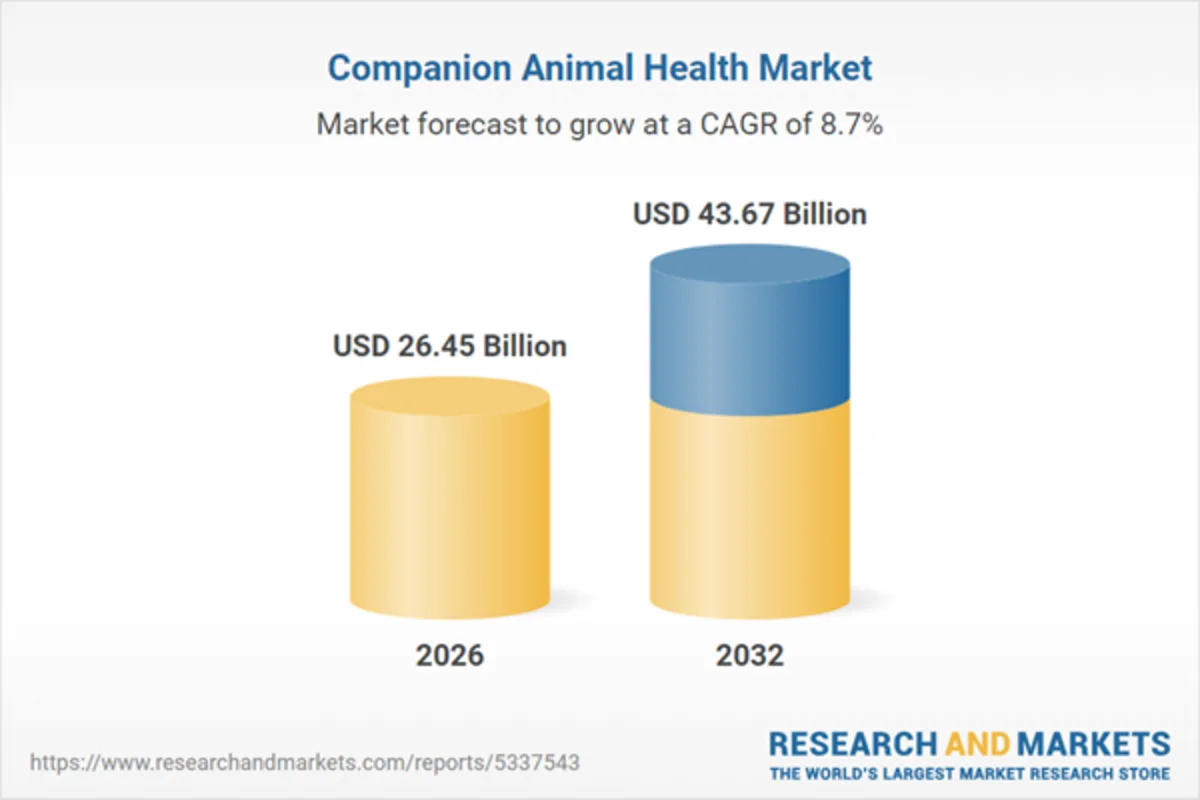
The Companion Animal Health Market is projected to reach USD 26.45 billion in 2026, continuing to grow at a CAGR of 8.66%, reaching USD 43.67 billion by 2032
The companion animal health market is expanding as pet owners increasingly treat dogs, cats, and other companion animals as family members. Demand is concentrated across veterinary pharmaceuticals, vaccines, parasiticides, diagnostics, nutrition, pain management, dermatology, dental care, surgical products, and digital veterinary services
Verified industry indicators support the sector’s resilience. The American Pet Products Association reported U.S. pet industry expenditures of about USD 147 billion in 2023, with veterinary care and product spending remaining a major category. In Europe, FEDIAF data continue to show pet ownership across millions of households, reinforcing demand for preventive care, chronic disease management, and evidence-based companion animal health solutions
Transformative Shifts in the Companion Animal Health Landscape
The companion animal health landscape is shifting from episodic treatment toward preventive, continuous, and data-enabled veterinary care. Pet owners are seeking earlier diagnostics, wellness plans, parasite prevention, nutrition guidance, and therapies that improve quality of life for aging animals. Veterinary clinics are adopting point-of-care diagnostics, practice-management platforms, and integrated pharmacy services to improve clinical efficiency
Innovation is accelerating in monoclonal antibodies, long-acting parasiticides, dermatology, osteoarthritis pain management, vaccines, and specialty diagnostics. At the same time, veterinary workforce shortages, cost sensitivity, and regulatory scrutiny from agencies such as the U.S. FDA Center for Veterinary Medicine and the European Medicines Agency are reshaping product development, access, and commercialization strategies
