


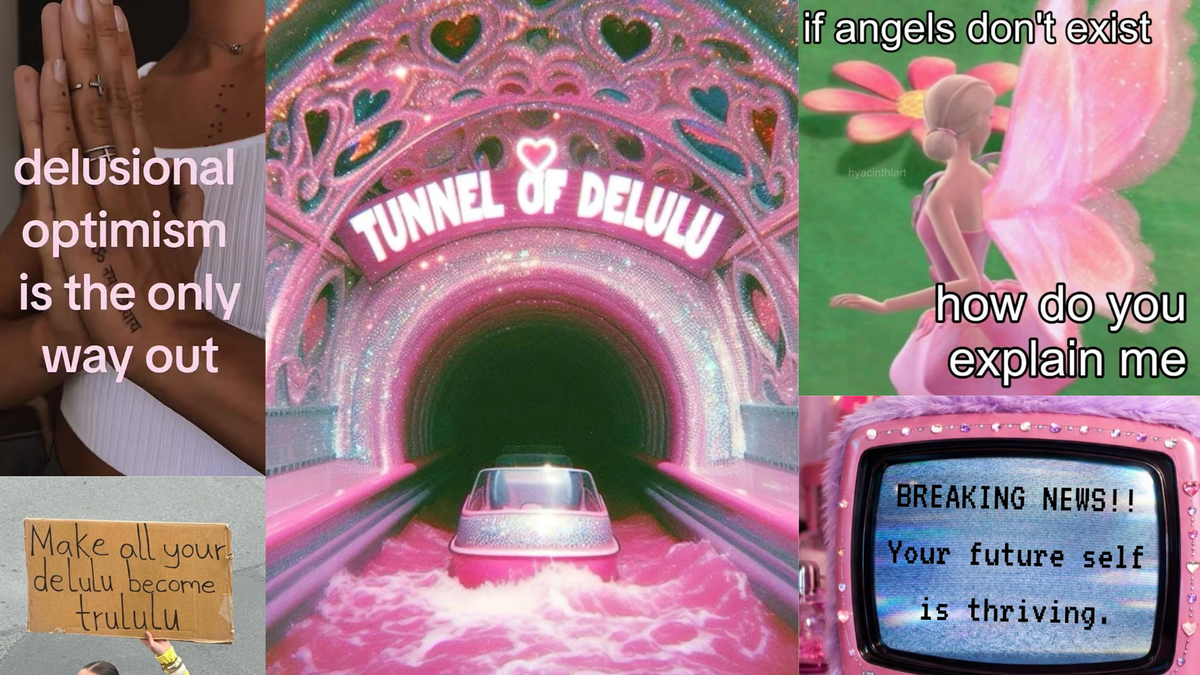
Imagine telling someone ten years ago that being calleddelusionalwould one day sound like a compliment. They’d probably recommend therapy
Yet here we are. Between manifestation journals, vision boards, and the art of romanticising everyday life, Gen Z has embraced the word with open arms
What psychology once classified as a warning sign has been rebranded into the generation’s favourite buzzword—a tongue-in-cheek philosophy for self-belief, confidence, and, at times, even self-care. Because sometimes, being a little delulumeans refusing to spiral into worst-case scenarios. It becomes a way to protect your peace, back yourself before anyone else does, and choosing optimism over escapism
So why has an entire generation embraced a word that was once considered an insult? And when diddelulustop being denial and start becoming a surprisingly effective coping mechanism?
Delulu Is The Viral Philosophy Changing How Gen Z Thinks
In a culture of ghosting, stonewalling and nonchalance, Gen Z has mastered the art of looking like it doesn’t care. Wanting something too badly feels embarrassing because if the effortless cool girl never admitted she wanted something, she could never lose it. (Then she pretends she applied as a joke- she didn’t, but instead please please pleased god until it happened)

Spending 100 hours on a project feels “try-hard” in an age with the attention span of a swipe. So we shrink our ambition into something easier for the internet to digest. We don’t call it optimism. We don’t accept the intensity of our emotions because it’s too daunting, we dilute them and call it “delulu is the solulu”
From Being An Internet Joke To A Generation’s Survival Strategy
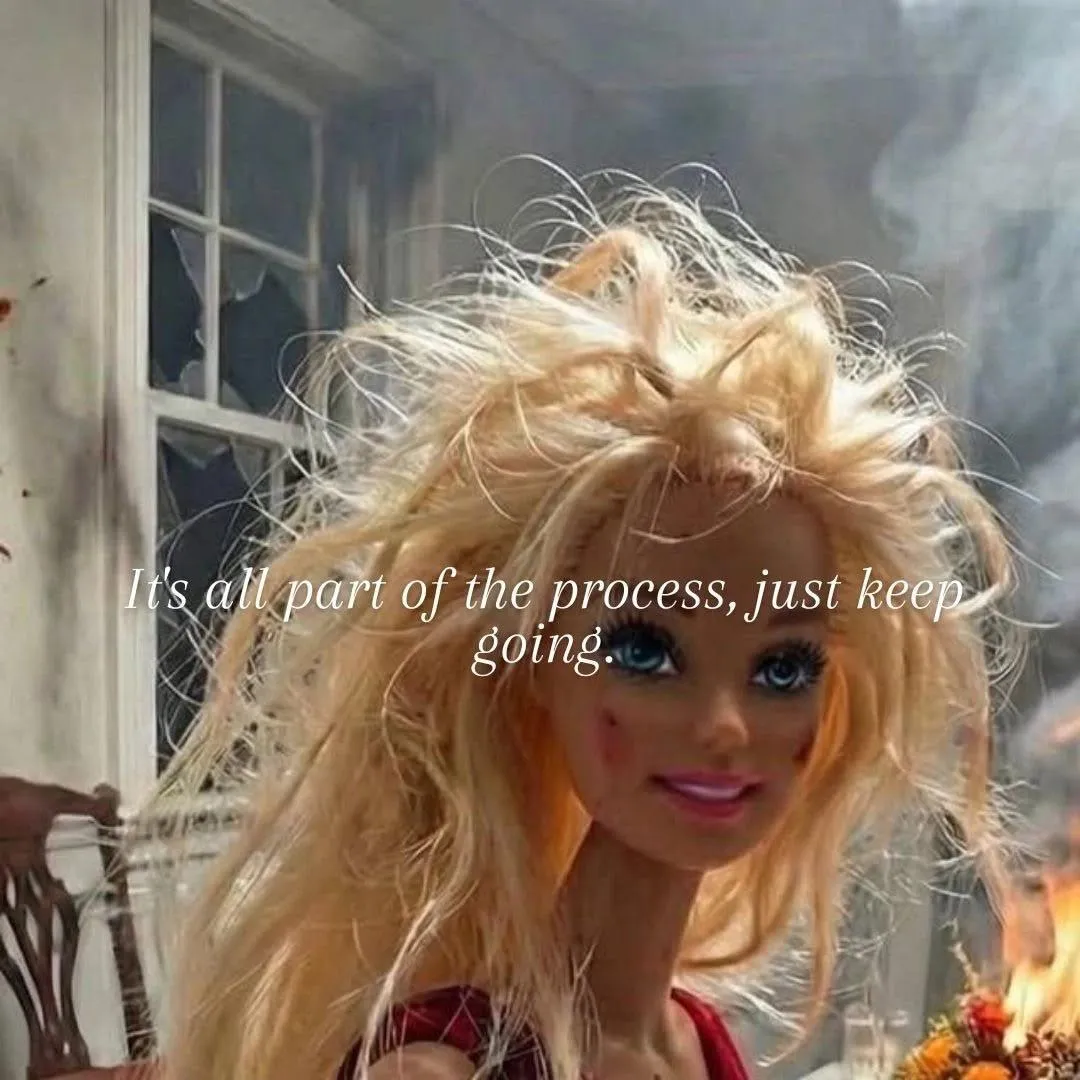
It’s easy to dismiss delulu as another internet trend, but trends rarely survive unless they’re solving a real problem. Soaring rents, stagnant wage growth, inflation, layoffs and the rise of AI, and entry level jobs somehow requiring three years of experience. At this point – Gen-Z should have started posting on linkedin at the age of three instead of watching cartoons
It’s perhaps no coincidence that this is also the generation that invented the “little treat” economy: if buying a home feels out of reach, at least an overpriced iced matcha can make an existential crises feel survivable.(it’s self-care okay?) Delulu belongs to that same emotional ecosystem. It’s not denying reality but making an increasingly uncertain one feel a little lighter. Previous generations had “fake it till you make it.” Gen Z has, “delulu is the solulu.” as a coping mechanism.
Why Radical Self Confidence Feels Revolutionary
Women have always walked on a tightrope, and society expects us to strike an olymipic balance. Speak too softly but make sure you’re not overlooked. Speak confidently but don’t come across as “intimidating.” Be humble but brag just enough to not be underestimated. Be certain but don’t be “too much.”
Sociologists have long described this as a double bind: women are often expected to be both competent and endlessly likeable, even when those qualities pull in opposite directions. Maybe that’s why delulu resonates with us. Beneath the memes is humour that makes the balancing act more bearable. It gives women just enough self confidence to back themselves and dream big while still being palatable to society
The Psychology Behind ‘Fake It Till You Make It’
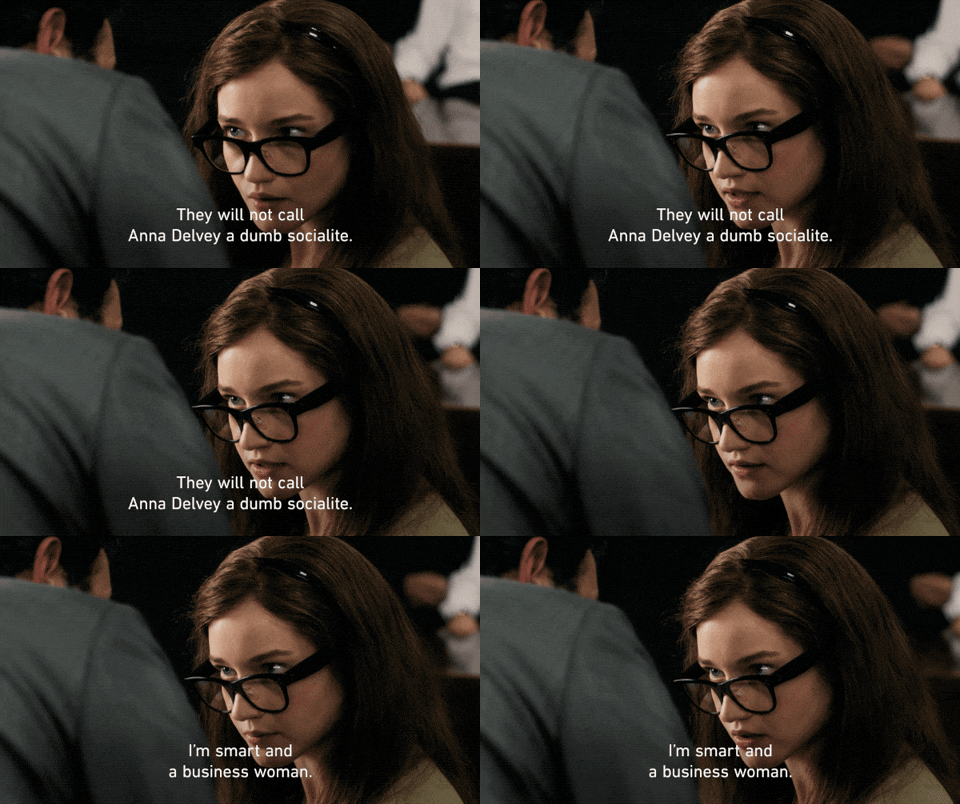
Imagine two people reading the exact same job description
The first thinks,“I only meet seven of the ten requirements. Better not.”
The second thinks,“What’s the worst that could happen? They ignore me like my crush already does.”Clicks Apply and gets on with her day
Who do you think has a better chance?
Psychologists call this self efficacy—the belief that you’re capable of succeeding at a task. It doesn’t magically make someone smarter or more talented. It just makes them more likely to raise their hand, send the email, ask the question or survive hearing the word“no”without immediately deciding to change careers and move to the mountains
That’s where delulu, manifestation and self belief unexpectedly intersect. The healthiest version of “fake it till you make it” is not pretending to have skills you don’t. It’s refusing to let self-doubt make your decisions for you.
The Secret Lies In Letting Yourself Live The Fantasy
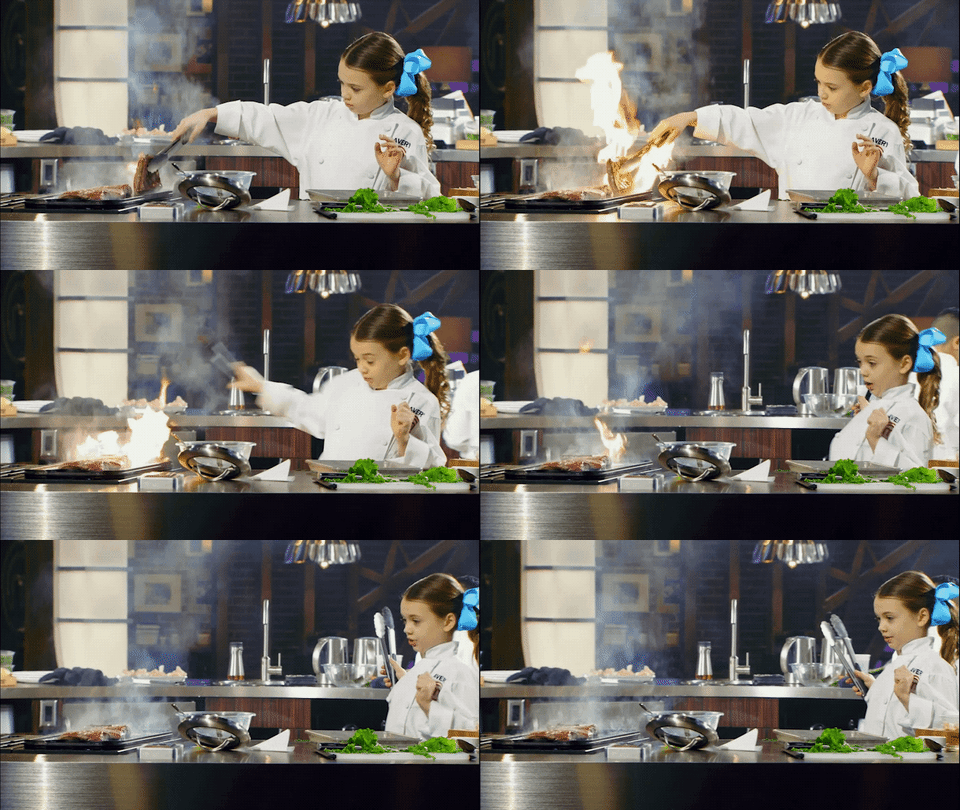
Children spend years pretending. They’re astronauts, teachers, chefs and superheroes long before they become any of those things. Somewhere between growing up and paying taxes, we start calling that same imagination “unrealistic.” Perhaps that’s why delulu struck such a chord with Gen Z. Every generation creates stories to help it survive. Previous generations had “The American Dream.” Gen Z has “delulu is the solulu.” Neither was ever meant to be taken literally. They’re reminders that hope has always needed a language. The healthiest version of delulu isn’t believing fantasy is real. It’s remembering that imagination has always been the first draft of reality. After all, every company, every invention and every career began as an idea someone else dismissed as unrealistic.
FAQ
Is “delulu” a Gen Z word?
Pretty much. The term first floated around K-pop fandoms, but Gen Z gave it a second life. Thanks to TikTok,deluluwent from niche internet slang to a personality trait, a coping mechanism and, for some, an entire life philosophy. It says a lot about the times we’re living in that being called “delusional” somehow became a compliment
What does “delulu is the solulu” mean?
It’s internet shorthand for“delusion is the solution.”Dramatic? Absolutely. Literal? Not even slightly. It’s less about believing impossible things and more about talking yourself into sending the email, asking the question or backing yourself before you’ve got all the proof. Think of it as confidence with a meme attached
Is there a difference between “delulu” and optimism?
Definitely. Optimism says,“Things might work out.”Delulu says,“I’ve already mentally accepted the award.”One is measured, the other is theatrical. But underneath the humour, they’re surprisingly similar. Both ask you to imagine a better outcome before it’s happened
