


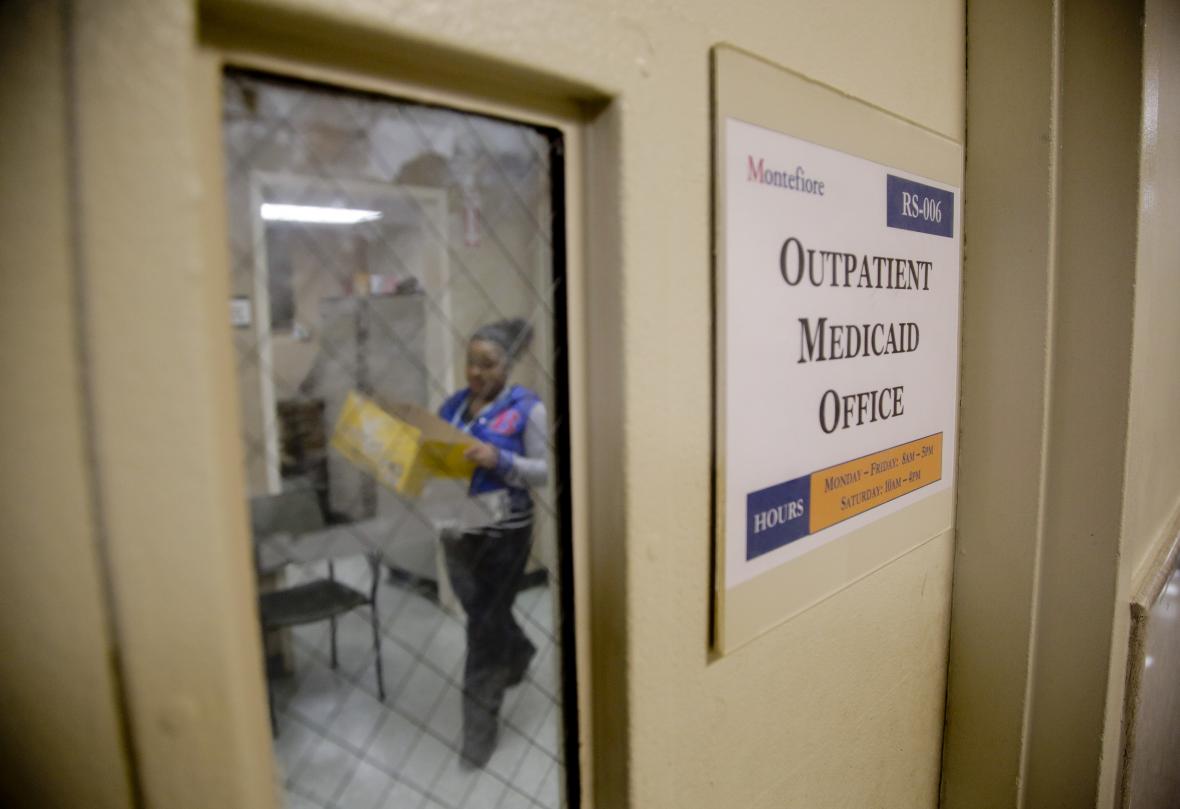
Wisconsin health officials warn that tens of thousands of Medicaid recipients could lose their health care coverage when new federal work requirements go into effect next year
The Wisconsin Department of Health Services estimates 200,000 current participants in Medicaid, or what the state calls BadgerCare, will be subject to the new requirements included in last year’s One Big Beautiful Bill Act. The Trump administration published a final rule with further details on June 1
Adults between the age of 19 and 64 will be required to work, volunteer or complete school or job training for at least 80 hours a month to qualify for coverage
Understanding Wisconsin, Together
WPR’s “Wisconsin Today” newsletter keeps you connected to the state you love without feeling overwhelmed. No paywall. No agenda. No corporate filter
On Jan. 1, new Medicaid applicants will need to have proof of meeting the requirement during the month before they apply. Starting in March, current members will need to have proof of meeting the requirements for at least one month in the year before their annual renewal
DHS Secretary Kirsten Johnson told reporters on Thursday that the state currently has no work history for around 63,000 Medicaid members, putting them at risk of losing coverage if they can’t provide the needed documentation or prove that they qualify for one of the exemptions listed under the federal law
People who are pregnant, have a child under the age of 19 who lives with them and people with a federal disability determination are excluded from the new requirements
There are also exemptions for some caregivers and people with serious medical conditions, or what’s known as “medically frail.”
But Johnson said her agency is still waiting for further guidance from the Centers for Medicare and Medicaid Services, or CMS, to be able to determine who qualifies
Wisconsin is part of a multi-state lawsuit against CMS that claims the agency’s June 1 guidance “unlawfully narrows Congress’s protections for medically frail Medicaid recipients” by adopting a stricter definition of the term
Johnson told reporters that the agency’s goal is to build a process that eases the paperwork burden on both Medicaid recipients and DHS staff
“We are hopeful that once we have a clear definition and CMS has given us additional guidance, that we are able to use that information and look at current diagnoses codes and information that we have already collected on Medicaid members who this may apply to,” Johnson said
In the meantime, Wisconsin Medicaid Director Amanda Dreyer told reporters that DHS’ clinical experts have been developing their own definition of “medical frailty” in line with other states. She said the same is true for work to develop systems to verify other activities like caregiving or unpaid work
“At some point, we maybe need to just make a choice and go. But in the meantime, we’re still expecting CMS to tell us what that should be looking like,” Dreyer said
The federal work requirements do not provide an exemption for people experiencing homelessness, despite it being a significant barrier to employment.
Dreyer pointed out that work requirementsfor the Supplemental Nutrition Assistance Program, or what Wisconsin calls FoodShare, also don’t provide an exemption for homelessness
She said DHS is hoping to get help from local organizations working with unsheltered people to help them navigate the new requirements or qualify for an exemption
“In some cases, that’s going to mean a very human kind of workflow,” she said. “Technology certainly helps us in a lot of ways, but we’re going to need to lean in and hold hands with our partners around the state to take care of people who are unhoused and help them get food and healthcare in an entirely new and difficult way.”
Johnson said DHS will begin notifying current Medicaid members of the coming work requirements in August. She urged recipients to make sure their contact information, including mailing address and phone, are up-to-date
Democrats and liberal advocacy groups have continued to sound the alarm about the coming changes to Medicaid, calling for people to voice their opposition to the changes through public comment on CMS’s recently published rule
During a press conference hosted by national advocacy groups this week, Democratic U.S. Sen. Tammy Baldwin said she has heard from residents around Wisconsin about the stress they already face ensuring they maintain Medicaid coverage
“Now, Republicans are pushing forward even more red tape for families,” Baldwin said. “Their new rule will make Americans jump through even more hoops just to access sometimes lifesaving care that they are clearly eligible for.”
Wisconsin resident Rebecca Reed shared her experience relying on Medicaid coverage through treatment for breast cancer during the press conference. She is a mother of three children and was working as a paralegal and going to school when she received her diagnosis last year
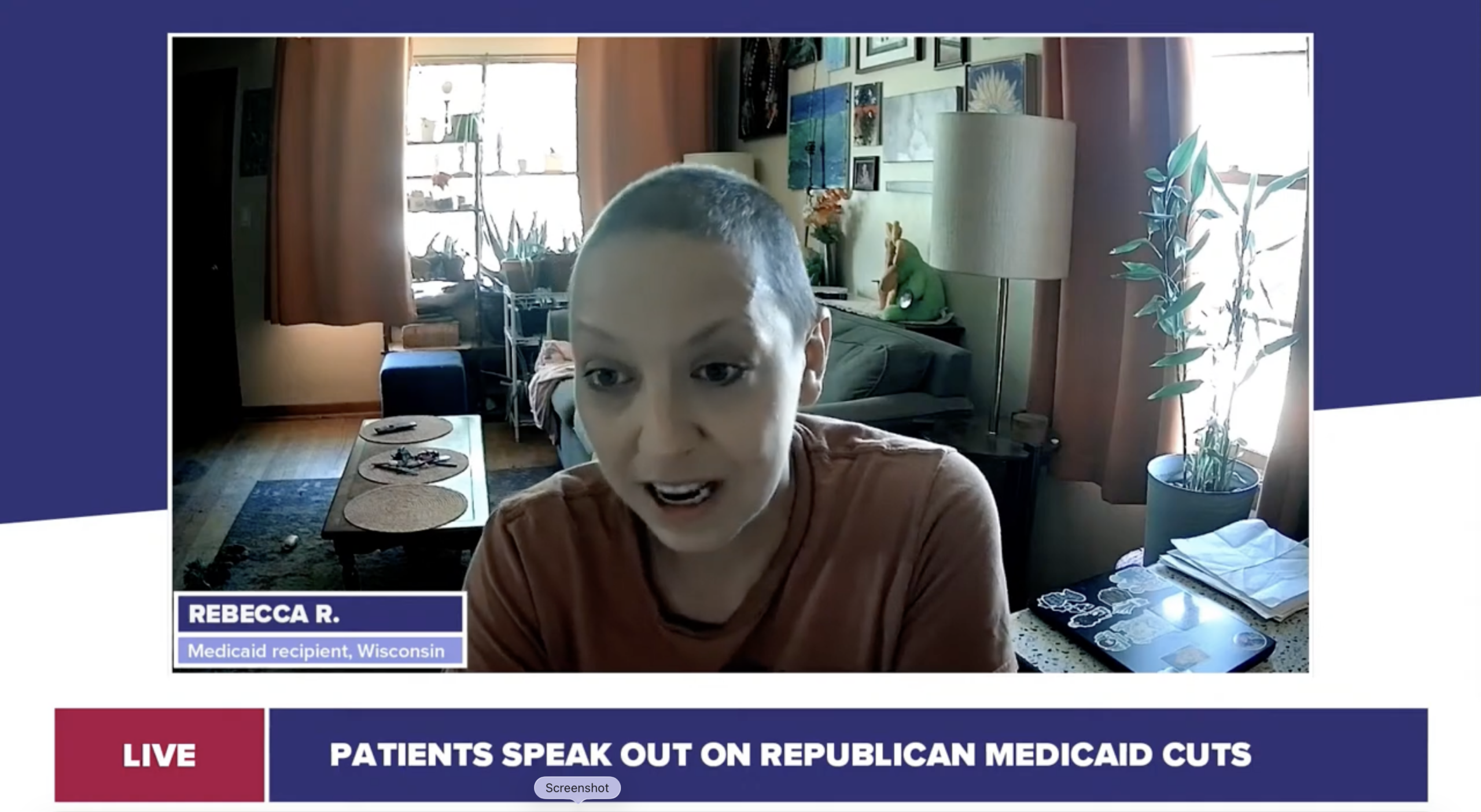
Reed said during the press conference that she is now finished with active treatment after undergoing a double mastectomy and months of chemotherapy and radiation treatment. And she worries what no longer having a cancer diagnosis will mean for her eligibility for coverage, with years of rehabilitation and medication needs ahead
“I know that there’s an end (of medical treatment) in sight for me, and I think that I’m lucky in that way,” she said. “But I honestly don’t know what I’ll do if I lose my coverage in the next year. I won’t be able to finish my treatment.”

Wisconsin Public Radio, © Copyright 2026, Board of Regents of the University of Wisconsin System and Wisconsin Educational Communications Board
