


 Keena Alwahaidi
Mon, August 3, 2026 at 10:21 AM UTC
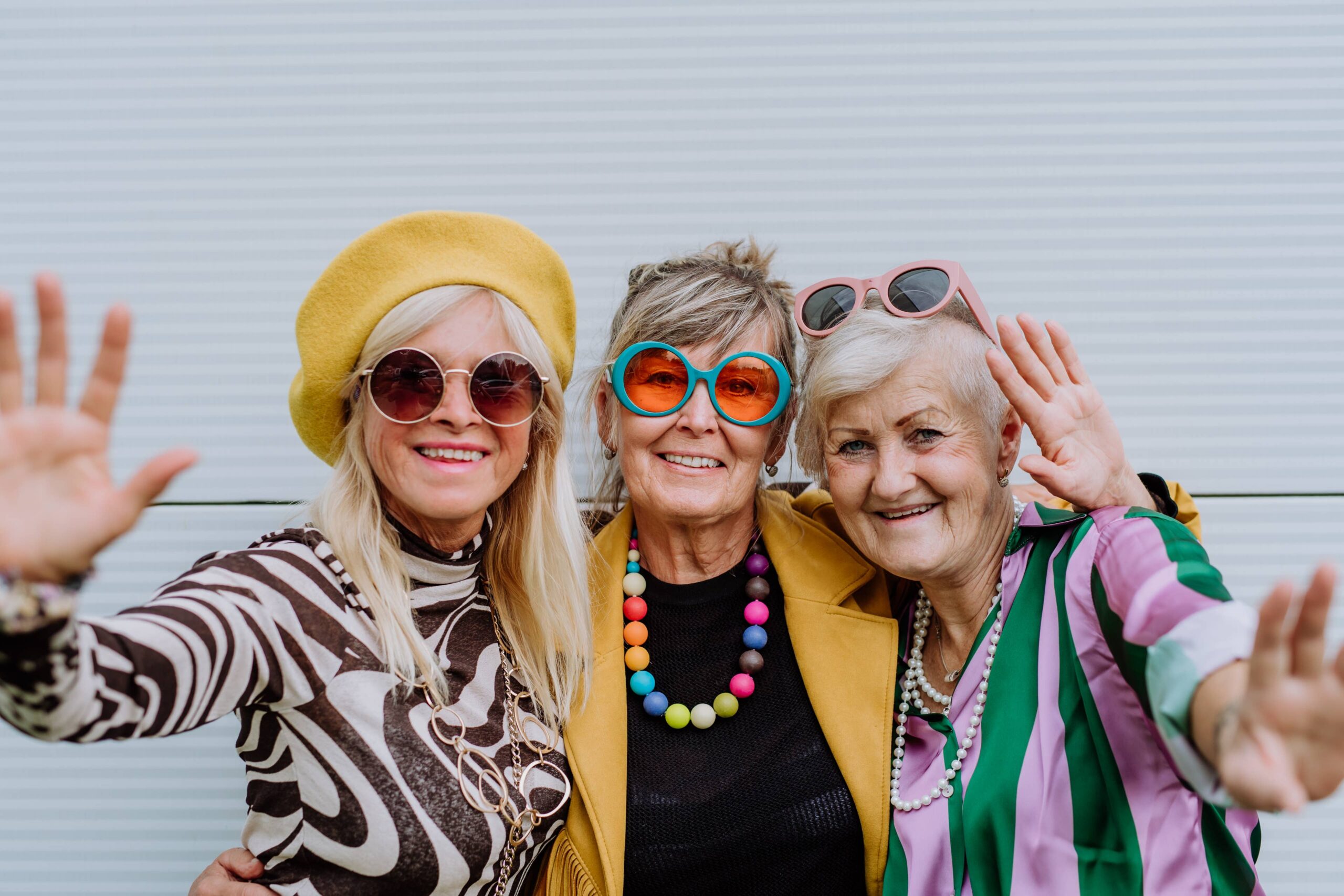
How we dress tells everyone a story. It communicates a lot about who we are and how we might want people to see us. One of the most important elements of dressing is color, and what it reveals about our mood and experiences. And surprisingly, it can actually expose a lot, and most of the time it’s not even conscious. But if we are actively using color in specific ways with our outfits, we can signal to others and to ourselves where our happiness levels are, among other things. So, whatcolorssignal happy people?
According to color psychology expert Michelle Lewis, color associations can start as early as childhood
“A lot of our deepest color associations are rooted in childhood,” she tells Parade. “The colors of favorite toys, beloved films, formative fashion. When you wear those colors, you’re not just making a style choice. You’re activating a memory that carries genuine emotional charge.”
On the note of color associations, if you’re a genuinely content person, you might tend to have specific hues in your closet. Again, this might not be on purpose, but there are five colors worn most by authenticallyhappy people, and two color psychology experts tell Parade what it all means. Plus, they define “dopamine dressing,” answer whether wearing black means you’re unhappy and share how to wear “happy” hues if you’re more of a neutrals person
The Science of ‘Dopamine Dressing’ and Your Mood
Ever heard of the term “dopamine dressing”? It has a lot to do with how your mood and clothing intertwine. According to Bernard Charles, a color expert and author, this term refers to the act of “intentionally wearing colors, patterns and clothing that make you feel energized, confident, joyful or emotionally uplifted.”
But Charles says this doesn’t mean your clothes will instantly create happy emotions. It’s more about how your clothing can influence your feelings.
“You have to be a little creative and curious about the world to work with color in this way. I’ve been ‘dopamine dressing’ since I was five years old, when I got to pick out what clothes to wear as a child,” he tells Parade. “I remember choosing a ’90s color block jersey with the Charlotte Hornets logo on it. Not because I was into sports or because the clothing socialized a specific gender marker, but because I was into the purple, teal and gray power play. At that moment, I had a resource to express myself and feel empowered.”
Related:Color Psychologist Says These 5 Colors Are Worn Most by ‘Highly Intelligent’ People
Lewis echoes this, saying that typically the goal of dopamine dressing is all about “shifting your emotional state through what you wear.”
She shares that it works through two pathways. The first is “enclothed cognition,” which she explains is the “documented finding that clothing influences the wearer’s psychological state through both its symbolic meaning and the physical experience of wearing it.”
The second is through nostalgia, she shares, since it’s “the most powerful triggers of memory and emotional association we have.”
“Dopamine increases when you’re presented with visuals you enjoy and connect to a positive experience,” she explains.
Related:Color Psychologist Says Wearing This Color Makes You Appear Instantly More Confident
The 5 Colors Worn Most by Authentically Happy People, According to Color Psychology Experts
These hues can definitely positively impact your mood and energy, experts reveal
1. Gold (think honey)
When you crunch the color numbers and look at the data, everything points to one thing: gold is a big standout when it comes to “growth, brand-building and positive anticipation,” shares Charles
This color, and more specifically honey, can really encompass elements we want to project onto other people. Charles explains that’s because it represents the energy of things like sweetness and luxury
“There’s a trend currently for happy people wearing warm browns or terracotta colors to approach their reality with a more grounded stance during transitions and prioritize homesteading as a means of feeling abundantly nourished at home,” he reveals
Related:Color Psychologist Says if Your Favorite Color Is Gold, You Likely Have These 7 Traits
2. Pink
Pink might feel like a lighter, more feminine color to some. It’s really a color that keeps things feeling “light, nurturing and human,”
“Pink wearers tend to focus on the softer, more comfortable side of life. Forming warm connections and creating atmospheres that feel pleasant and safe,” she says. “Their happiness is quieter than yellows or oranges, but it’s deeply consistent. Pink is the color of someone who has decided that comfort and kindness are worth protecting.”
3. Orange
There’s really only one way to describe orange, and that’s “warmth, made visible,” Lewis notes.
Advertisement
Essentially, she explains orange is a playful color, often signaling the people who wear it tend to be socially generous and very comfortable to hang around.
“Orange sits at the intersection of red’s vitality and yellow’s optimism, giving it a uniquely abundant quality. Happiness for orange wearers tends to be relational and balanced,” she explains. “It’s found in connection, in gathering, in the feeling of a room where everyone belongs.”
4. Green (think the color of spinach)
According to Charles, this color “brings a grounded, natural sense of well-being that reflects a balanced, contented internal mood.”
“Deep leafy greens are colors to wear when times are hard,” he shares. “There’s an element of camouflaging taking place because of wanting to be blended in and not be seen. If that makes you happy, then so be it. Just make sure you’re not doing that thing where you choose to be a recluse over feeling revolutionary. Happy people know when to leave the room and walk away.”
5. Yellow
The color yellow might be one of the more obvious happier colors that a person can wear. That might be true for a few reasons.
Mainly, Lewis points to it being the “color of sunlight, optimism and forward movement.”
“Yellow lovers tend to be genuinely joyful, socially energized and almost instinctively positive,” she says. “When someone reaches for yellow consistently, they’re usually someone whose happiness isn’t just a mood. It’s a way of operating in the world.”
Does Wearing Black Mean You Aren’t Happy?
Black is a darker color, if not the darkest color, that we’ve got. But does that mean you’re unhappy if you wear it? Not necessarily. Charles explains that the color is one of the most misunderstood, and that people don’t correlate it with the right emotions
“While some people associate it with sadness, many choose to wear black because it makes them feel powerful, sophisticated, protected, focused or elegant,” he tells Parade. “In color psychology, black often represents strength, mystery, authority and personal boundaries.”
Lewis agrees that wearing black doesn’t necessarily mean you’re unhappy, but says the more critical thing to ask is why someone might wear that color a lot.
“For some it’s about efficiency and self-possession,” she says. “For others it’s about invisibility. Neither of those motivations is inherently unhappy, but neither is the color itself generating the emotional lift that chromatic colors can.”
Wearing black is more so about how it makes you feel, regardless of whether or not people see it as a negative or emotionally dark color.
“If you love black and it makes you feel powerful and complete, that confidence has its own value,” she says. “Just don’t expect the color itself to be doing the mood work.”
Related:Color Psychologist Says Your Favorite Color May Be Connected to Type A or Type B Personality Traits
How To Wear ‘Happy Colors’ if Your Wardrobe Is Mostly Neutral
There are a few ways to make sure you’re incorporating some of these happier colors in your wardrobe. One of the easiest ways is sitting down with yourself and identifying what happiness really means to you, says Lewis, rather than what it looks like on the outside
“That’s your starting point,” Lewis explains. “Because the colors that will work for you aren’t necessarily the ones in a dopamine dressing article. They’re the ones woven into your own most joyful memories.”
If you’re unsure where to begin, she advises looking into your childhood and remembering what colors once drew you in. That could be in your favorite clothes, the bedroom you grew up in or anything similar
“Color nostalgia is real and neurochemically powerful,” she reveals. “The colors that made you feel something at seven years old often still have the same emotional charge at forty. Because feelings carry frequency—just like color—and they aren’t limited by time.”
Charles points out some simple ways to make that change, and it doesn’t mean you need to overhaul everything you own. He suggests even starting small, like changing up your nail polish to something more colorful, or adding colorful scarves or pairs of shoes to your outfits.
“Try introducing color in small, low-pressure ways,” he explains. “The good news is that you don’t need to replace your entire wardrobe.”
Up Next:
Related: Color Psychologist Says These 5 Favorite Colors Are Loved by Especially Intuitive People
Sources:
Michelle Lewis is a color psychology expert, founder of The Color Institute and ColorAnalysis.com and author of Color Secrets
Bernard Charles is a color psychology expert and author
This story was originally published byParadeon Aug 3, 2026, where it first appeared in theLifesection. Add Parade as aPreferred
