



close
<img src="https://healthylife7.com/wp-content/uploads/2026/07/image-70.jpg” alt=”Could GLP-1 drugs worsen ALS? Why weight loss may carry hidden risks”>
Video
Could GLP-1 drugs worsen ALS? Why weight loss may carry hidden risks
GLP-1 drugs can help diabetes and obesity, but in ALS, weight loss may speed decline. New reports suggest doctors should be cautious when neurodegenerative disease is part of the picture
NEWYou can now listen to Fox News articles!
Neurologists are warning that popular weight-loss medications could have severe negative effects on neurodegenerative conditions like ALS
Jinsy Andrews, MD, a neurologist and director of NYU Langone’s ALS Center, says the very mechanism that makes these drugs popular — rapid weight loss — can go against the biological needs of patients with neuromuscular disorders
GLP-1 agonists have shown to be highly effective at managing diabetes and obesity, which are major health concerns across the population. However, the doctor emphasized that the clinical rules shift when dealing with amyotrophic lateral sclerosis (ALS)
DR OZ LINKS OBESITY TO CHRONIC DISEASE SURGE, SAYS GLP-1S CAN ‘JUMPSTART’ BETTER HEALTH
In addition to mitigating some of the inflammation related to obesity and diabetes, GLP-1 medications have been linked to other protective effects
The therapies have been helpful in reducing cardiovascular disease, stroke risk, liver disease and addiction
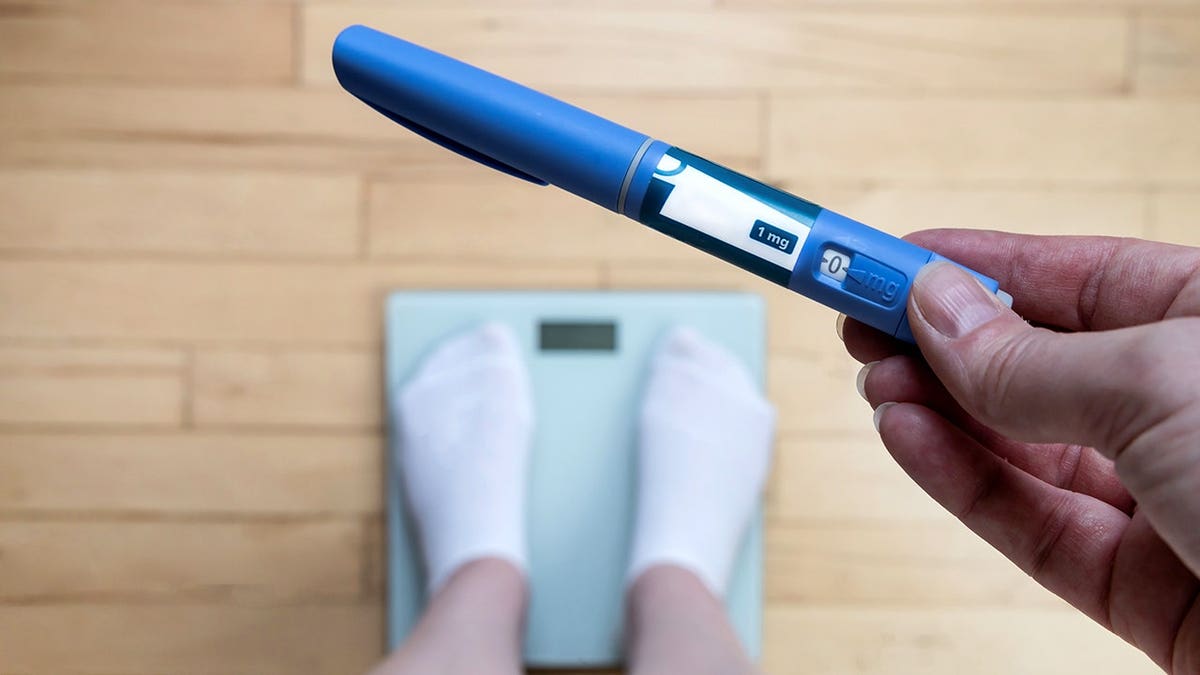
Neurologists are warning that the rapid weight loss caused by popular GLP-1 medications can severely worsen neurodegenerative conditions like ALS.(iStock)
However, when it comes to an incurable neurodegenerative disease, losing weight and body fat can accelerate a patient’s physical decline
For an ALS patient, losing weight can cause the condition to progress faster, Andrews said, because the disease’s unique traits make it dangerous to be in a caloric deficit
BIG MEDICARE CHANGE SLASHES WEIGHT-LOSS DRUG COSTS FOR ELIGIBLE SENIORS
In fact, standard clinical care guidelines for ALS often recommend that patients actively maintain or even gain weight to help preserve their remaining nerve and muscle function

While GLP-1s effectively treat obesity and cardiovascular risks in the general public, those same afflictions have been shown to slow ALS progression.(iStock)
“In certain conditions where hypermetabolism is something that negatively affects the disease […] losing weight actually makes the disease worse and move faster,” Andrews told Fox News Digital
CLICK HERE FOR MORE HEALTH STORIES
“So, in the setting of a person with ALS — whether they have diabetes or not — using GLP-1s may actually worsen the disease and make for a rapid progression.”

A peer-reviewed case study revealed that an ALS patient experienced a massive, 10-fold acceleration in physical deterioration after starting semaglutide.(iStock)
In a 2025 case report published in the medical journal Amyotrophic Lateral Sclerosis and Frontotemporal Degeneration, a 52-year-old ALS patient was prescribed semaglutide to treat her type 2 diabetes
CLICK HERE TO SIGN UP FOR OUR HEALTH NEWSLETTER
Prior to starting the medication, her physical functions were declining at a predictable rate on the standard ALS rating scale
According to the case report, the patient lost 25 pounds in three months. At the same time, she experienced a sudden, dramatic shift in her disease trajectory, with symptoms worsening significantly

Healthcare providers should be highly cautious and context-aware when prescribing GLP-1 receptor agonists to patients with underlying neurodegenerative diseases, a neurologist cautioned.(iStock)
Once the semaglutide was discontinued at the advice of medical professionals, the patient’s rapid physical decline stabilized
Andrews pointed out that this published documentation, alongside retrospective cohort data of ALS patients with diabetes, provides growing evidence that clinicians must be careful and thoughtful about who they treat with GLP-1 receptor agonists
TEST YOURSELF WITH OUR LATEST LIFESTYLE QUIZ
While weight-loss medications offer significant benefits for many patients, experts say maintaining body weight and muscle mass remains an important consideration for people with neurodegenerative diseases
