

Close Menu
healthylife7.comhealthylife7.com

    Subscribe to Updates

    Get the latest creative news from FooBar about art, design and business.

    What's Hot

    How to evolve your proxy from compliance exercise to investor engagement tool

    September 1, 2026

    Eating Less Reduced Breast Tumors in Mice, Chinese Study Finds

    September 1, 2026

    The market forces quietly adding thousands to patient bills

    September 1, 2026
    Facebook X (Twitter) Instagram
    Trending
    • How to evolve your proxy from compliance exercise to investor engagement tool
    • Eating Less Reduced Breast Tumors in Mice, Chinese Study Finds
    • The market forces quietly adding thousands to patient bills
    • Inside Amy Slaton’s Weight Loss Journey
    • GLG, Golf-Lifestyle Platform and Events, Files for Nasdaq Capital Market IPO
    • Across Healthcare’s Matrix Joins UNC and Emory-Led ARPA-H RAPID Initiative to Advance Rare Disease Diagnosis and Care
    • Experimental weight loss jab outperforms Mounjaro in latest study
    • Fit to Fight: Over 100 FLC Yokosuka Personnel Kick Off Inaugural Command PT
    Facebook X (Twitter) Instagram
    healthylife7.comhealthylife7.com
    • Home
    • Fitness
    • Health
    • Nutrition
    • Lifestyle
    • Conditions
    • Mental Health
    • Weight Loss
    • Wellness Tips
    Tuesday, September 1
    healthylife7.comhealthylife7.com
    Home»Nutrition»Eating Less Reduced Breast Tumors in Mice, Chinese Study Finds
    Nutrition

    Eating Less Reduced Breast Tumors in Mice, Chinese Study Finds

    healthylife7By healthylife7September 1, 2026No Comments4 Mins Read
    Facebook Twitter Pinterest LinkedIn Tumblr Reddit WhatsApp Email
    Eating Less Reduced Breast Tumors in Mice, Chinese Study Finds
    Share
    Facebook Twitter LinkedIn Pinterest WhatsApp Email

    Chinese researchers have found that caloric restriction may inhibit tumor growth by affecting how tumors send signals

    The findings, which could enhance existing cancer treatments, were publishedlast month in the journal Cancer Research in a joint study by researchers at Sun Yat-sen University Cancer Center, Guangdong Provincial People’s Hospital, the Cancer Hospital of Shantou University Medical College, and St. John’s University in New York City. 

    Observing how caloric restriction impacts tumor size and number in mice with breast tumors, the researchers found that caloric restriction disrupts the signals tumors use to recruit and reprogram the body’s wound-healing cells — known as cancer-associated fibroblasts (CAFs) — for their own use. This helps to convert the tumor’s immunosuppressive environment into one more favorable to cancer-fighting cells

    Yang Lu, the study’s corresponding author and a doctor at Guangdong Provincial People’s Hospital, told Sixth Tone that the idea for the study arose from questions about diet that she and the other researchers frequently receive from patients. 

    “Patients are always asking us, ‘What should I eat? How should I eat?’” Yang said. “To be honest, I didn’t know how to answer that before. But I really wanted to find a clear answer to that question.”

    The study used a dietary program on the mice known as a “fasting-mimicking diet,” or FMD, in which calorie intake is sharply reduced, triggering a series of stress responses and cellular repair functions. 

    Research in recent years has shown that an FMD may enhance anti-cancer immunity in several instances, including altering gut microbiota to suppress colorectal cancer and enhancing breast cancer endocrine therapy. However, exactly how the method works and how it might inform cancer treatment remains unclear

    Previous research has predominantly focused on how FMDs alter tumor cells, tumor-attacking T cells, and the environment of cells, molecules, and blood vessels in the presence of tumors. This latest study instead examined the diet’s effects on CAFs

    The researchers randomly divided the mice into two groups: mice with unrestricted access to food and mice that underwent FMD — a cycle of one day of 50% calorie restriction, three days of 90% calorie restriction, and three days of unrestricted feeding. The experiment lasted three weeks

    The results showed that tumors in mice on a calorie-restricted diet were significantly reduced in volume and weight. The number of spontaneously occurring tumors in the diet group also significantly decreased

    Through RNA sequencing and cell-cell communication analysis, the researchers found less glucose availability and tumor-cell breakdown in the dieting mice. This in turn lowered secretion of the signaling molecule PDGFC, a CAF-binding protein released by tumor cells to suppress the host’s immune system. 

    This also reduced the proportion of immunosuppressive, inflammatory CAFs (iCAFs), while increasing the proportion of tumor cells with signs of programmed cell death. As a result, the tumor’s immunosuppressive environment was weakened, allowing more immune system cells to enter and fight the tumor

    The team also found that combining caloric restriction with a PDGFR inhibitor, a drug used to block tumor blood vessel formation, further weakened the tumor’s immunosuppressive environment. The results suggest that such a diet could work alongside existing cancer therapies to enhance anti-tumor activity

    However, the researchers noted several limitations. Among them, the study did not examine in detail how iCAFs affect the behavior and function of immune cells within tumors. It also remains unclear how the study’s mechanisms may impact different tumor types. 

    The authors wrote that while fasting “holds promise” as a way to enhance or work alongside cancer treatment, “large-scale clinical trials are needed to validate its efficacy, safety, and feasibility in cancer patients, alongside biomarker studies to optimize … combination therapy and long-term outcomes.”

    Yang, the corresponding author, said the team has already begun incorporating FMD-based dietary recommendations into clinical trials involving cancer patients. Patients may be advised to reduce their calorie intake for several days before and after a treatment cycle, although specific dietary plans may vary

    In the future, the team hopes to develop better drugs and dietary interventions and eventually extend the approach to other cancer types

    “People’s lifestyles and individual differences are very diverse,” Yang said. “As the research becomes clearer, we hope to eventually develop personalized nutrition plans for different patients.”

    Editor: Marianne Gunnarsson

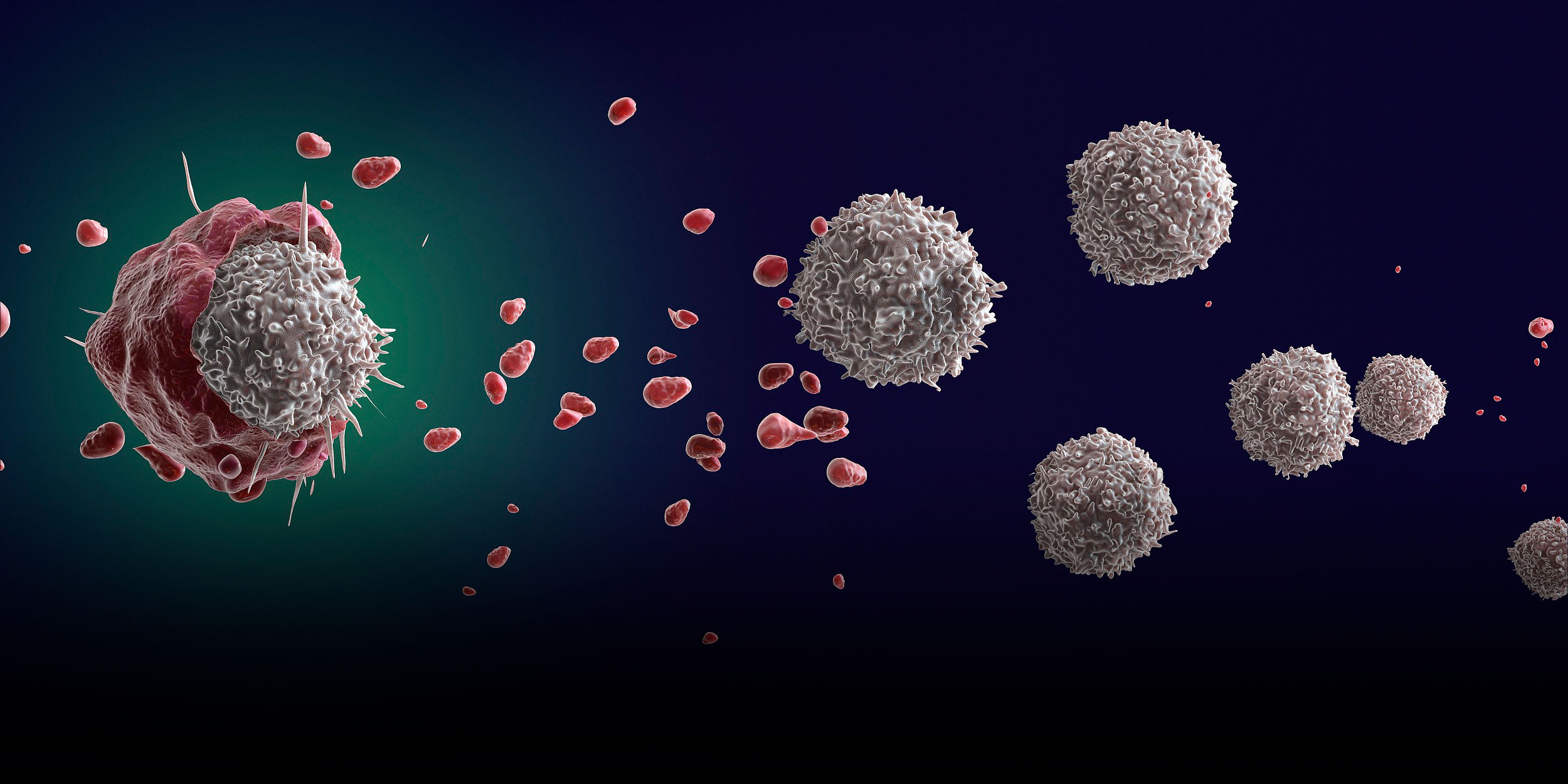
    (Header image: Science Photo library/VCG)

    Breast Eating less Reduced tumors
    healthylife7
    • Website

    Related Posts

    The Better Way To Build An Anti-Inflammatory Diet? Add This One Food

    September 1, 2026

    Almond Market Set to Reach USD 39,288.85 Million by 2035 as Plant-Based Nutrition and Online Retail Accelerate Demand

    September 1, 2026

    Wonderfeel ChocoCreatin Review 2026: Price, 4g Creatine, Ingredients, Nutrition Facts & Buyer Guide

    September 1, 2026
    Leave A Reply Cancel Reply

    Health
    Fitness

    How to evolve your proxy from compliance exercise to investor engagement tool

    By healthylife7September 1, 20260

    Prologis and The Williams Companies show how companies can rethink proxy statements around the information shareholders most need

    Eating Less Reduced Breast Tumors in Mice, Chinese Study Finds

    September 1, 2026

    The market forces quietly adding thousands to patient bills

    September 1, 2026

    Inside Amy Slaton’s Weight Loss Journey

    September 1, 2026
    Stay In Touch
    • Facebook
    • Twitter
    • Pinterest
    • Instagram
    • YouTube
    • Vimeo
    Fitness

    Opinion: The FDA must put biotech at its center or continue to cede early research to China

    July 6, 2026

    Inside Elevance’s digital chronic disease management strategy

    July 6, 2026

    Best, Worst States For Well

    July 6, 2026

    What do the Middle Ages tell us about mental health then and now? VCU historian Leigh Ann Craig has answers

    July 6, 2026

    Subscribe to Updates

    Get the latest creative news from SmartMag about art & design.

    About Us

    Welcome to HealthyLife7.com, your trusted source for reliable health, wellness, fitness, and lifestyle information. Our mission is to help people make informed decisions about their health by providing clear, practical, and easy-to-understand content.

    At HealthyLife7.com, we believe that good health starts with the right knowledge. Whether you're looking for healthy eating tips, fitness advice, mental wellness strategies, weight management guidance, or information about common health conditions, our goal is to deliver valuable content that supports a healthier lifestyle.

    Fitness

    How to evolve your proxy from compliance exercise to investor engagement tool

    September 1, 2026

    Eating Less Reduced Breast Tumors in Mice, Chinese Study Finds

    September 1, 2026

    The market forces quietly adding thousands to patient bills

    September 1, 2026
    Health

    Opinion: The FDA must put biotech at its center or continue to cede early research to China

    July 6, 2026

    Inside Elevance’s digital chronic disease management strategy

    July 6, 2026

    Best, Worst States For Well

    July 6, 2026
    Facebook X (Twitter) Instagram Pinterest
    • About Us
    • Contact us
    • Disclaimer
    • Privacy Policy
    • Terms and Conditions
    © 2026 healthylife7.com. Designed by Pro.

    Type above and press Enter to search. Press Esc to cancel.