

Close Menu
healthylife7.comhealthylife7.com

    Subscribe to Updates

    Get the latest creative news from FooBar about art, design and business.

    What's Hot

    Hong Kong’s dining battle; TV host’s insomnia struggle: 7 Lifestyle highlights

    August 6, 2026

    4th case of ‘rabbit fever’ reported in New York. Here’s what to know

    August 6, 2026

    Germany first EU country to launch Wegovy oral GLP-1

    August 6, 2026
    Facebook X (Twitter) Instagram
    Trending
    • Hong Kong’s dining battle; TV host’s insomnia struggle: 7 Lifestyle highlights
    • 4th case of ‘rabbit fever’ reported in New York. Here’s what to know
    • Germany first EU country to launch Wegovy oral GLP-1
    • Autonomous AI coordinates three UAVs in Taiwanese swarm exercise
    • The 8 healthiest beans you should be eating more often, according to nutrition expert
    • Military medical experts address evolving fight against battlefield infections
    • African Proverb of the Day: “The key to a healthy body is… — Life lessons on healthy habits, lifestyle, daily routines, physical wellness, fitness and why why you should take care of your mental health
    • Meritus gets over $650,000 grant to help seniors with chronic diseases and disabilities – Tri
    Facebook X (Twitter) Instagram
    healthylife7.comhealthylife7.com
    • Home
    • Fitness
    • Health
    • Nutrition
    • Lifestyle
    • Conditions
    • Mental Health
    • Weight Loss
    • Wellness Tips
    Thursday, August 6
    healthylife7.comhealthylife7.com
    Home»Fitness»Exercise Echocardiography Predicts Acute Mountain Sickness Risk
    Fitness

    Exercise Echocardiography Predicts Acute Mountain Sickness Risk

    healthylife7By healthylife7August 6, 2026No Comments3 Mins Read
    Facebook Twitter Pinterest LinkedIn Tumblr Reddit WhatsApp Email
    Exercise Echocardiography Predicts Acute Mountain Sickness Risk
    Share
    Facebook Twitter LinkedIn Pinterest WhatsApp Email

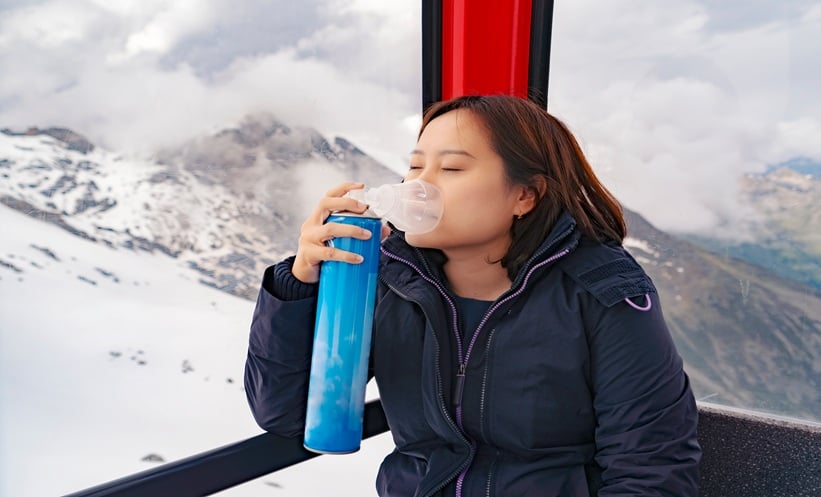
    Exercise stress echocardiography (ESE) may help identify individuals at risk of developing acute mountain sickness (AMS) within hours of arriving at high altitude, according to a study. Researchers found that specific changes in right ventricular function and pulmonary circulation during exercise accurately distinguished participants who went on to develop AMS from those who remained symptom-free

    AMS commonly <a href="https://<a href="https://healthylife7.com/uc-san-diego-health-no-1-in-california-makes-national-honor-roll/” title=”UC San Diego Health No. 1 in California, Makes National Honor Roll”>healthylife7.com/support-when-issues-affect-our-wellbeing/” title=”Support when issues affect our wellbeing”>affects travellers ascending to elevations above 2,500 m and can cause headache, nausea, dizziness, fatigue, and sleep disturbances. Although several risk factors have been identified, clinicians currently have limited tools to predict who will develop the condition before symptoms appear

    Cardiovascular Responses Assessed at High Altitude

    The prospective study enrolled 50 healthy adults living at low altitude who completed a staged ascent by bus to 3,600 m

    Within six hours of arrival, participants underwent exercise stress echocardiography to assess right ventricular function and pulmonary haemodynamics before being evaluated for AMS the following morning using the Lake Louise Score

    Twenty-three participants (46%) developed acute mountain sickness, while 27 remained free of symptoms

    Pulmonary Pressure Increased in Participants Who Developed AMS

    At peak exercise, participants who later developed AMS demonstrated significantly higher systolic pulmonary artery pressure (SPAP) and pulmonary vascular resistance (PVR) than those who did not

    The AMS group also experienced greater increases in both SPAP and PVR from resting levels during exercise, suggesting a more pronounced pulmonary vascular response to high altitude

    In contrast, markers of right ventricular contractile reserve—including tricuspid annular peak systolic velocity (TV s′) and right ventricular fractional area change (FAC)—showed smaller improvements during exercise, indicating reduced right ventricular functional reserve

    Researchers also observed larger inferior vena cava (IVC) diameters in the AMS group at both rest and peak exercise

    Prediction Model Showed High Accuracy

    Using the physiological measurements collected during exercise testing, the investigators developed a prediction model incorporating peak IVC diameter, changes in pulmonary vascular resistance (ΔPVR), and changes in TV s′

    The model achieved an area under the receiver operating characteristic curve (AUC) of 0.865 and correctly classified participants with an overall accuracy of 84%

    These findings suggest that combining measures of pulmonary vascular response and right ventricular function could provide a practical method for identifying individuals at increased risk of developing AMS shortly after arriving at high altitude

    Potential Tool for Early Risk Stratification

    The authors conclude that exercise stress echocardiography can detect early cardiovascular adaptations associated with acute mountain sickness before clinical symptoms become apparent

    The researchers note that larger studies are needed to validate the predictive model and determine how exercise stress echocardiography could be incorporated into routine assessment of travellers, athletes, and workers operating at high altitude

    Reference

    Xu Y et al. High-altitude exercise stress echocardiography identifies individuals at risk for acute mountain sickness. BMC Pulm Med. 2026:DOI: 10.1186/s12890-026-04513-7

    Acute Echocardiography exercise mountain predicts
    healthylife7
    • Website

    Related Posts

    Autonomous AI coordinates three UAVs in Taiwanese swarm exercise

    August 6, 2026

    2 people dead after vehicle crashes ‘hard’ into Laval gym

    August 6, 2026

    HHS proposes cutting many federal education and health guidelines for Head Start

    August 6, 2026
    Leave A Reply Cancel Reply

    Health
    Lifestyle

    Hong Kong’s dining battle; TV host’s insomnia struggle: 7 Lifestyle highlights

    By healthylife7August 6, 20260

    We have selected seven Lifestyle stories from the past seven days that resonated with our readers. If you would like to see more of our reporting, please consider subscribing. 1. Are Hong Kong’s restaurants fighting a losing battle against Shenzhen? In Hong Kong neighbourhoods that once hummed with the sound of clinking glasses and chattering…

    4th case of ‘rabbit fever’ reported in New York. Here’s what to know

    August 6, 2026

    Germany first EU country to launch Wegovy oral GLP-1

    August 6, 2026

    Autonomous AI coordinates three UAVs in Taiwanese swarm exercise

    August 6, 2026
    Stay In Touch
    • Facebook
    • Twitter
    • Pinterest
    • Instagram
    • YouTube
    • Vimeo
    Fitness

    Opinion: The FDA must put biotech at its center or continue to cede early research to China

    July 6, 2026

    Inside Elevance’s digital chronic disease management strategy

    July 6, 2026

    Best, Worst States For Well

    July 6, 2026

    What do the Middle Ages tell us about mental health then and now? VCU historian Leigh Ann Craig has answers

    July 6, 2026

    Subscribe to Updates

    Get the latest creative news from SmartMag about art & design.

    About Us

    Welcome to HealthyLife7.com, your trusted source for reliable health, wellness, fitness, and lifestyle information. Our mission is to help people make informed decisions about their health by providing clear, practical, and easy-to-understand content.

    At HealthyLife7.com, we believe that good health starts with the right knowledge. Whether you're looking for healthy eating tips, fitness advice, mental wellness strategies, weight management guidance, or information about common health conditions, our goal is to deliver valuable content that supports a healthier lifestyle.

    Fitness

    Hong Kong’s dining battle; TV host’s insomnia struggle: 7 Lifestyle highlights

    August 6, 2026

    4th case of ‘rabbit fever’ reported in New York. Here’s what to know

    August 6, 2026

    Germany first EU country to launch Wegovy oral GLP-1

    August 6, 2026
    Health

    Opinion: The FDA must put biotech at its center or continue to cede early research to China

    July 6, 2026

    Inside Elevance’s digital chronic disease management strategy

    July 6, 2026

    Best, Worst States For Well

    July 6, 2026
    Facebook X (Twitter) Instagram Pinterest
    • About Us
    • Contact us
    • Disclaimer
    • Privacy Policy
    • Terms and Conditions
    © 2026 healthylife7.com. Designed by Pro.

    Type above and press Enter to search. Press Esc to cancel.