


August 20, 2026
Extra weight has an unexpected link to survival after 65
A 13-year study found that the number on the scale and the size of your waist can tell very different stories after age 65
ByLuis Arrais
Author
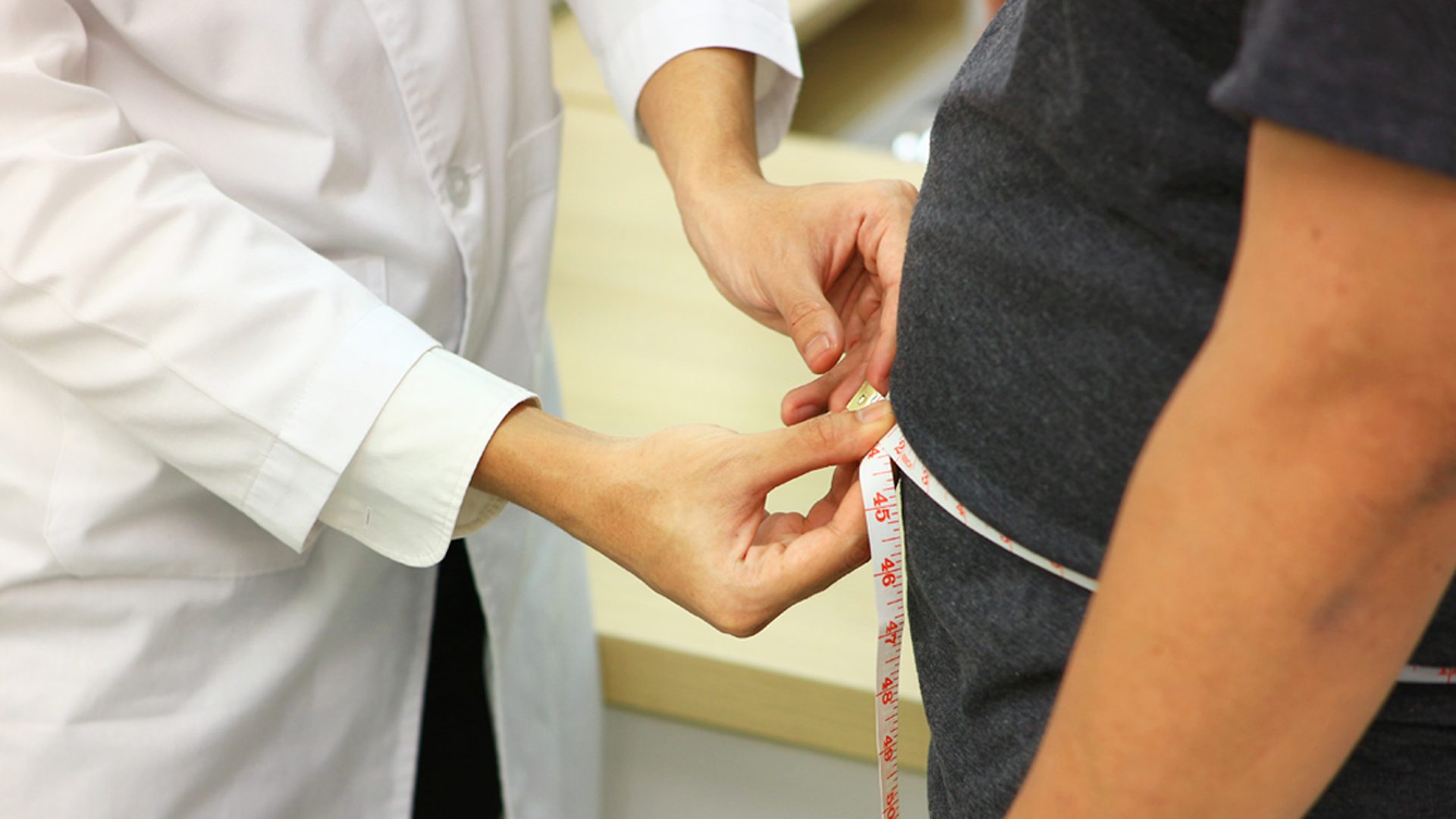
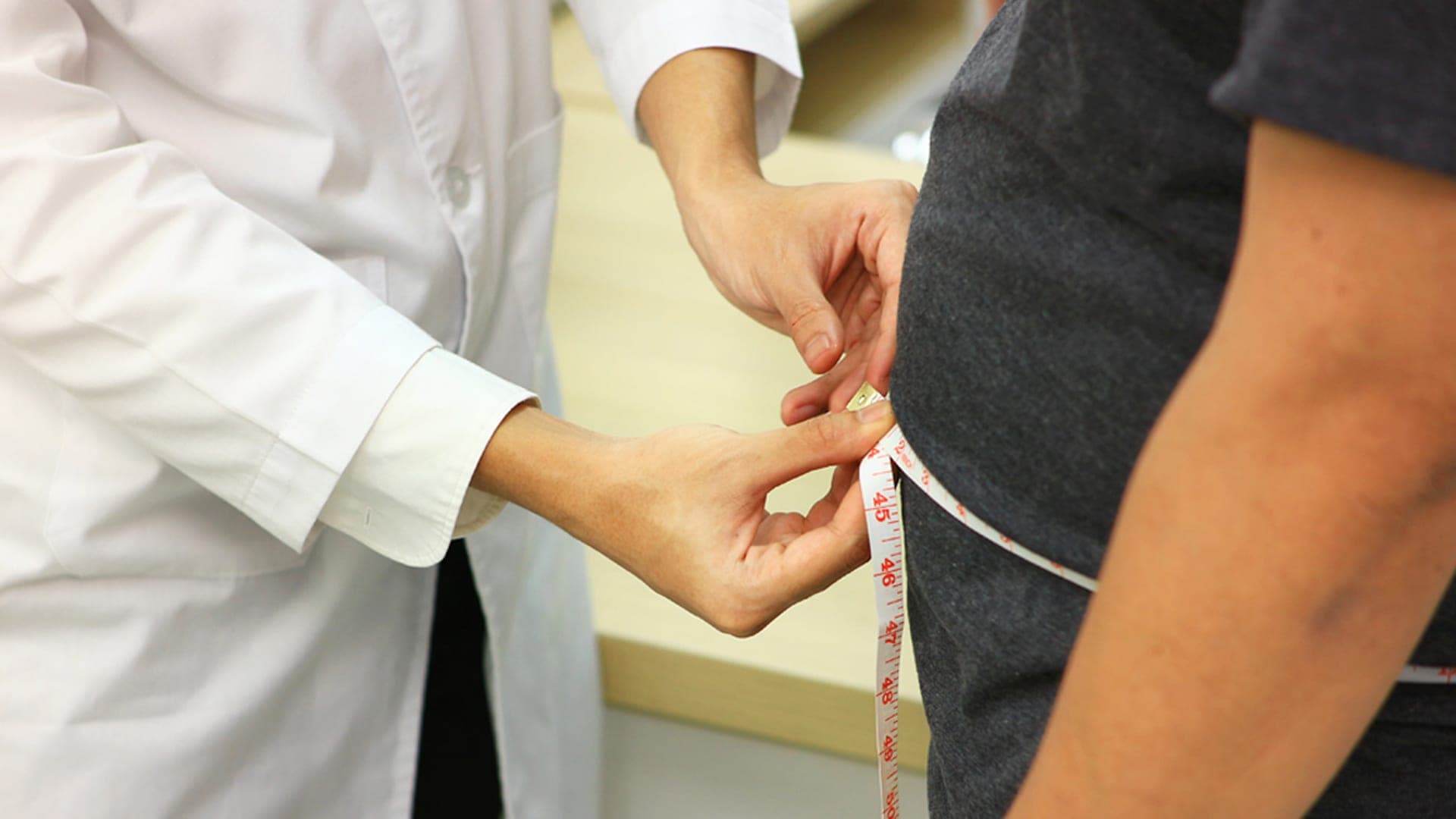
A checkup usually includes two basic measurements: height and weight. Together they determine body mass index, but BMI can’t tell where a person carries fat. For people over 65, that distinction may be especially important
New research found that people carrying extra weight died at lower rates than people in the normal range. A wider waist was linked to higher death rates, regardless of BMI
Furong Xu and her colleagues at the University of Rhode Island (URI) followed 6,905 Americans aged 65 or older from 2011 to 2024. They weighed and measured them over and over rather than once at the start
The work is observational, so it can show who died and who didn’t, and it can’t say a waistline caused anything
Bryan Blissmer, a professor of kinesiology at the university and one of the co-authors, said the two measures refused to agree
“What stood out was that BMI and waist circumference provided different and, in some respects, opposing information: higher BMI was associated with lower mortality, while a larger waist was associated with higher mortality independent of BMI,” Blissmer told Earth.com
Higher BMI tracked with longer survival
Set against people in the normal range, overweight men were 46% less likely to die. Men with class I or II obesity, meaning an index from 30 to just under 40, were 51% less likely to die
Women moved the same way by a smaller margin. Overweight women were 27% less likely to die. Among women with class I or II obesity, the difference was too small to separate from chance
Researchers call that pattern the obesity paradox. They have argued about its causes for years
Thinness was the dangerous end. Men and women under an index of 18.5 were both about twice as likely to die as people in the normal range
Larger waists tracked with higher risk
Waist size behaved nothing like the BMI chart. A high waist meant over 40 inches (102 cm) in men and over 35 inches (89 cm) in women
That went with a 24% higher chance of dying in both sexes after the analysis had already accounted for body mass index
Wider waists went with worse odds all the way up. Men measuring 50 to 55 inches (127 to 139 cm) were roughly twice as likely to die as men under 40 inches. At 65 inches (165 cm) or more, men were over six times as likely
Women showed the same progression. Very few people were in those top brackets, so the highest figures are rough
Trained staff measured every waist by hand, at a fixed spot between the lowest rib and the hip bone
A normal BMI can hide risk
Put the two measures together and some familiar combinations looked less reassuring. Men with a normal index and a high waist were 33% more likely to die than men with a normal index and a low waist. In women the gap was 23%
The highest risk appeared in people who were underweight but had a high waist measurement. Underweight women with a high waist were nearly three times as likely to die as normal-weight women with a low waist
That group was small and the estimate is imprecise. But being underweight does not rule out having little muscle and belly fat around the organs
At the other end, men who were overweight or obese with a high waist still had lower death rates than the normal-weight group. Among women, no overweight or obese group differed much from it either way
The findings don’t endorse gaining weight
Blissmer wanted one reading ruled out first
“Our findings should not be interpreted as meaning that excess body fat is protective or that older adults should try to gain weight,” he said
A higher index in an older person can mean things that have little to do with body fat. It can reflect muscle mass that hasn’t gone yet, or the absence of the weight loss that illness brings
Those are Blissmer’s own explanations. A waist measurement, he said, points more directly at the fat packed deep in the abdomen
Asked by Earth.com whether a wide waist erases the advantage a higher index appeared to carry, Blissmer rejected that description
“I would not describe waist circumference as necessarily ‘erasing’ the BMI association,” he said. “Rather, the two measures captured distinct dimensions of risk.”
Waist size captures a different risk
In 2025, a Lancet commission of obesity specialists argued that body mass index should not diagnose an individual on its own. They asked doctors to confirm excess fat with at least one other body measurement
“I do think waist circumference should be measured more routinely in older patients as a complement to weight and BMI. It is inexpensive and provides information about abdominal adiposity that BMI alone cannot capture,” Blissmer said
He added that an observational study “does not establish a new clinical screening mandate, and waist measurements need to be taken consistently to be useful.”
What the study could not measure
Researchers know where this kind of study is weakest. People who are already ill often lose weight before they die, which makes thinness look like a cause when it is a symptom
Anyone who died within a year of joining was left out. That helps, and it doesn’t settle it
Height and weight were self-reported, and people misreport both. Height can be especially difficult to estimate accurately as people grow shorter with age. Xu’s team counted deaths from any cause without separating causes such as heart disease and cancer, so the study cannot show which causes of death drove the association with waist size
One thing this design did differently was to keep measuring. The records came from the National Health and Aging Trends Study, which goes back to the same people every year
Blissmer’s group is now looking past death rates
“We are continuing related work examining whether these patterns extend beyond mortality to other aging outcomes, although those analyses are still ongoing along with future publications,” he said in a written statement to Earth.com
The authors did not test whether routinely measuring waists changes what happens to patients. Settling that would take a study that measures waist size, changes care based on the results, and tracks patient outcomes
The full study was published in the journal Journal of the American Geriatrics Society
Like what you read? Subscribe to our newsletter for engaging articles, exclusive content, and the latest updates
Check us out on EarthSnap, a free app brought to you by Eric Ralls and Earth.com
—–
