


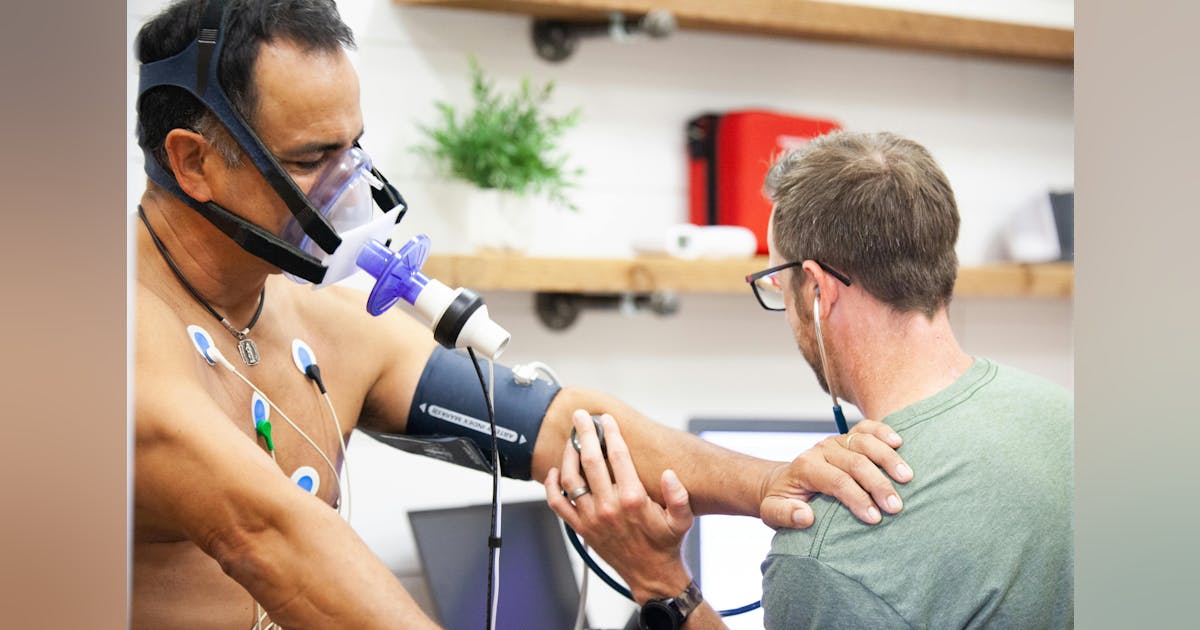
Firefighters are trained to recognize smoke, because smoke often appears long before visible flame. We encourage all of you to view your personal cardiovascular health in the same way
Heart attacks, strokes and sudden cardiac events rarely occur without warning. In most cases, the disease was developing silently for years. Elevated blood pressure, unhealthy cholesterol levels, insulin resistance, excess body fat and declining fitness often produce few or no symptoms until significant disease is already present. Chalking up these changes to “getting older” in a profession where cardiovascular disease remains one of the leading causes of firefighter fatalities ignores decades of evidence and places careers, families and lives at unnecessary risk.
The challenge is that many firefighters feel healthy while these changes are occurring. They continue to respond to calls, pass annual physicals and perform their duties while cardiovascular disease silently progresses beneath the surface. Many of these warning signs can be detected early. More importantly, many can be modified or prevented altogether. Just as firefighters investigate smoke before it becomes a working fire, cardiovascular risk factors should be identified and addressed before they become life-changing medical emergencies.
Cumulative, not sudden
The need for prevention remains clear. According to the U.S. Fire Administration (USFA), stress/overexertion accounted for 53 percent of firefighter line-of-duty deaths in 2023. Of the 49 firefighters who died from stress or overexertion, 46 suffered fatal cardiovascular events, which accounts for nearly 94 percent of all stress/overexertion-related fatalities. In response to these findings, the USFA specifically called for improving nutrition and physical fitness, increasing awareness of stress/overexertion-related cardiovascular incidents and expanding cardiac-related screening programs for firefighters.
These recommendations form the foundation of effective cardiovascular prevention: identify risk early, address modifiable risk factors and intervene before disease becomes an emergency
One of the greatest misconceptions that surrounds cardiovascular disease is the belief that it occurs suddenly. Cardiovascular disease is a cumulative process that develops over years before it eventually reveals itself through a heart attack, stroke or other cardiovascular event
Think of it this way: When you buy a house and its water supply has high mineral content and you choose not to treat it, you begin to see signs after a few years. The faucets become clogged and spray in different directions, until finally there’s an impassible clog and damage to the water line. It’s no different when ignoring the accumulation of disease; cholesterol behaves much the same way. Multiple modern cardiovascular research studies demonstrated that atherosclerosis develops through cumulative exposure to cholesterol-carrying particles, with both the amount and duration of exposure influencing plaque development.
This concept is important, because many firefighters focus on whether a single laboratory value falls within a reference range while ignoring the bigger picture. A mildly elevated LDL cholesterol level might not create problems this year, but years of exposure gradually can increase cardiovascular risk
Beyond traditional testing
Fortunately, many of the tools that are needed to identify cardiovascular risk are inexpensive, widely available and already included in most firefighter medical evaluations. Blood pressure measurement, lipid testing, glucose or hemoglobin A1c assessment, body composition evaluation and cardiorespiratory fitness testing provide valuable information long before symptoms develop
Traditional cholesterol testing remains important, but it doesn’t always tell the entire story. Additional markers, such as apolipoprotein B (ApoB), might provide useful information beyond LDL cholesterol alone. ApoB reflects the number of cholesterol-carrying particles that are circulating in the bloodstream that have the potential to contribute to plaque buildup. Recent expert guidance from the National Lipid Association suggests that ApoB can provide a clearer picture of cardiovascular risk, particularly when standard cholesterol results don’t tell the whole story.
Another marker that’s receiving increased attention is lipoprotein(a), or Lp(a). Think of Lp(a) as a specialized type of LDL cholesterol particle that’s determined largely by genetics. Unlike blood pressure, cholesterol, body weight or fitness, Lp(a) is affected minimally by lifestyle changes
Approximately one in five individuals has elevated Lp(a), often without knowing it. Because elevated levels are associated with increased cardiovascular risk and can’t be predicted reliably from a standard lipid panel, many cardiovascular experts support measuring Lp(a) at least once during adulthood
Some firefighters also might hear about Lp-PLA2, which is a marker that’s associated with vascular inflammation. Early studies suggested that it might help to identify individuals at increased cardiovascular risk, generating considerable interest in its potential role in screening. However, more recent evidence demonstrated limited additional value beyond traditional cardiovascular risk factors, and routine screening isn’t recommended widely. For most firefighters, greater benefit is likely to come from focusing on established risk factors and evidence-based screening tools. Of course, identifying risk is only part of the equation.
Intervention & risk mitigation
One of the most common failures in firefighter health programs isn’t identifying risk; it’s failing to act on it. In the populations that our clinic sees, about half of firefighters have hypertension, more than one-third have elevated cholesterol or triglycerides, and approximately one-quarter are prediabetic or diabetic
These risk factors contribute to cardiovascular disease over time, and documenting them year after year without intervention isn’t prevention. The value of a screening program comes from intervention and risk mitigation, not checking a box and ignoring treatment
Firefighters often delay follow-up care for understandable reasons. Shift schedules, overtime, family obligations, staffing shortages and the demands of daily life can make medical appointments difficult to prioritize. Unfortunately, cardiovascular disease doesn’t pause while we get around to addressing it
Appropriate referral pathways, primary care follow-up, specialist consultation when necessary and accountability for abnormal findings are essential components of any effective health program
Detection and referral mean little without sustained follow-through. We tell our patients all of the time, “You have to chop wood and carry water.” A prescription that goes unfilled, a recheck that gets skipped or a medication that’s stopped once someone feels fine leaves the underlying disease untreated. Cardiovascular risk factors, such as high blood pressure and cholesterol, are managed over years, not corrected in a single visit or with a trial of medications or lifestyle changes. Compliance with treatment and monitoring is where those abnormal findings actually become lower risk.
Maintain fitness level
Although early detection and treatment are important, prevention remains the most powerful tool that’s available. In that vein, exercise often has been described as medicine, and the evidence that supports that statement continues to grow. Higher levels of cardiorespiratory fitness are consistently associated with lower cardiovascular and all-cause mortality, while firefighter-specific research demonstrates more favorable body composition, insulin sensitivity, lipid profiles and overall cardiometabolic health among fitter individuals. Importantly, these benefits appear at occupationally relevant levels of fitness. The goal isn’t to turn every firefighter into an elite endurance athlete but to maintain the level of fitness that’s necessary to safely perform the job while simultaneously improving long-term health.
The fire service has become exceptionally skilled at responding to emergencies. The next challenge is to become equally skilled at preventing them. Cardiovascular disease often develops long before symptoms appear. By recognizing risk factors early, utilizing practical screening tools, ensuring appropriate follow-up and investing in evidence-based prevention strategies, such as regular exercise and earlier intervention, firefighters can address the smoke long before it becomes a fire
