


Making Vaccines Work
Climate changeAntimicrobial resistance
Four key ways our warming planet is affecting our health
Heatwaves and extreme weather conditions are damaging our health in several ways, including mosquito-borne disease, drug-resistant bacteria and smoke from wildfires.
- 24 August 2026
- 4
min read - byPriya Joi
- Add as preferred Google source
Photo by Luis Graterol on Unsplash
The repeated heatwaves and cyclones slamming the planet this year have made one thing evident: the effect of climate change on health has firmly moved from long-term forecast to current, worrying reality
The number of climate-related disasters has risen five-fold since 1970. Cases of mosquito-borne diseases are shooting upwards in areas that used to be safe from them. Cholera outbreaks are becoming more frequent and more damaging
The burden does not fall evenly across the globe. People already without adequate health care, safe housing, food and clean water are the most exposed to every one of these hazards, and the least equipped to absorb them
Here is a selection of VaccinesWork reporting on how a warming world is making people sicker
1. Mosquito-borne diseases are expanding their range
Mosquitoes are highly sensitive to temperature. Warmth speeds up their life-cycle, shortens the time between blood meals and accelerates the development of the pathogens inside them, whether that is malaria, dengue or chikungunya
This means warming temperatures are helping mosquitoes to climb to higher elevations and higher latitudes, into places where people have no prior immunity, and health services have never had to plan for the disease
Extreme weather events are also playing a role. Floods and heavy rainfall can increase the supply of standing water they need to breed but, counterintuitively, so can drought. When rivers and other wateren containers close to their houses, providing the ideal breeding ground for mosquitoes looking for new homes
Two malaria vaccines are now in use and dengue vaccines are entering the picture, but surveillance in many countries has not caught up with how fast the disease map is changing
How much does climate change fuel dengue outbreaks?
<img src="https://healthylife7.com/wp-content/uploads/2026/08/zach-kirby-yb_CHQyN1Og-unsplash_h1.jpg" alt="Peru's Maras Salt Mines. Scientists have estimated that extreme rainfall was responsible for over 20,000 infections during Peru’s 2023 dengue outbreak. Photo by Zach Kirby on Unsplash”>
About 60% of the cases in Peru’s 2023 dengue outbreak (around 22,000 infections) were linked to extreme rainfall.
As mosquito populations grow, Nigeria confronts a swelling dengue threat
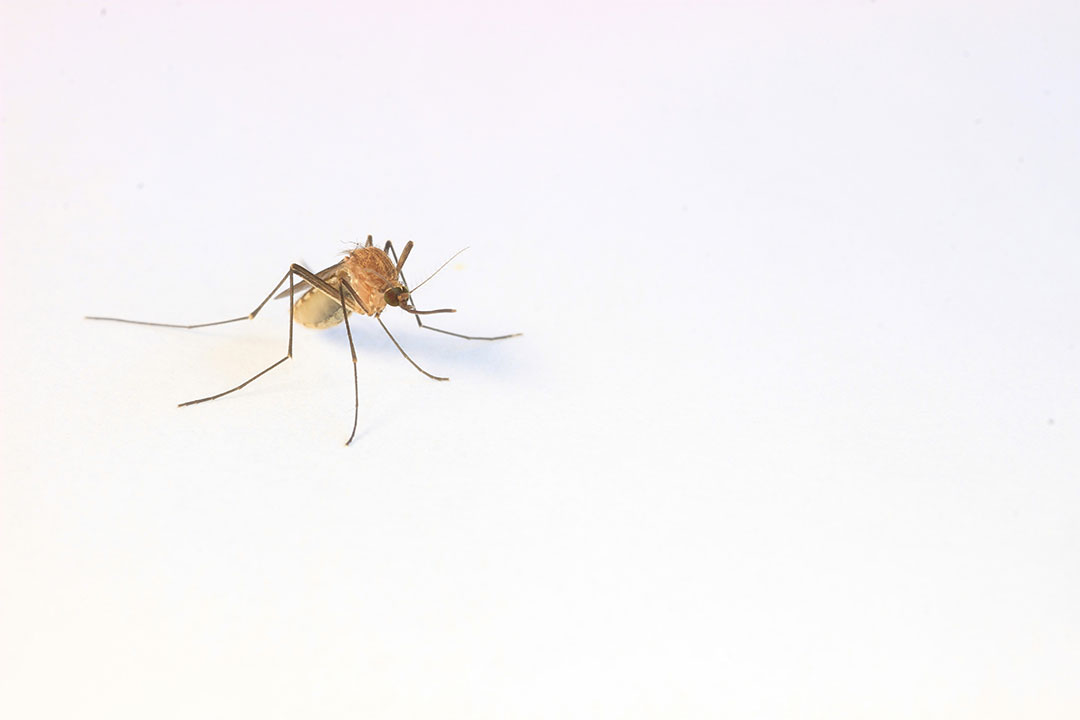
Often mistaken for malaria, dengue may be flying under the radar in Nigeria, but states are waking up to the disease.
Tropical cyclones trigger malaria spikes in Madagascar
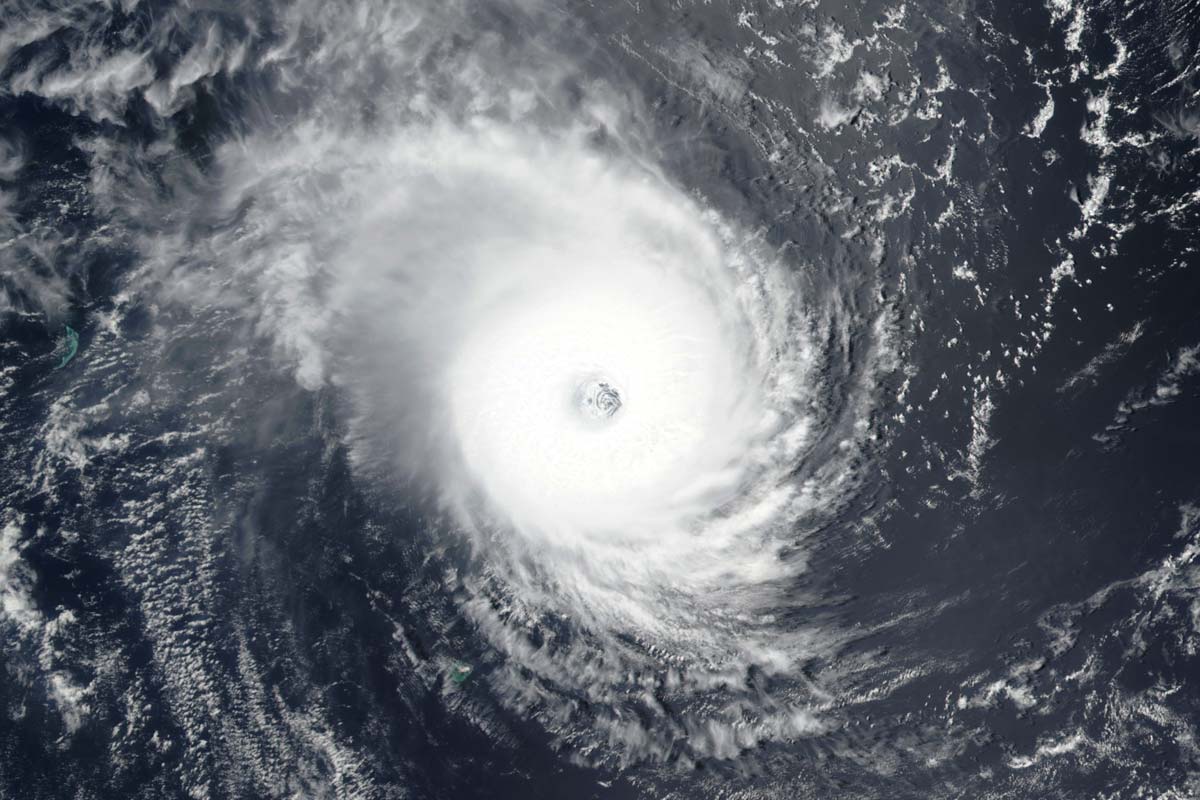
Storms flatten the infrastructure that malaria control depends on and infection comes straight back.
Chikungunya vaccine could prevent millions of cases, finds global study
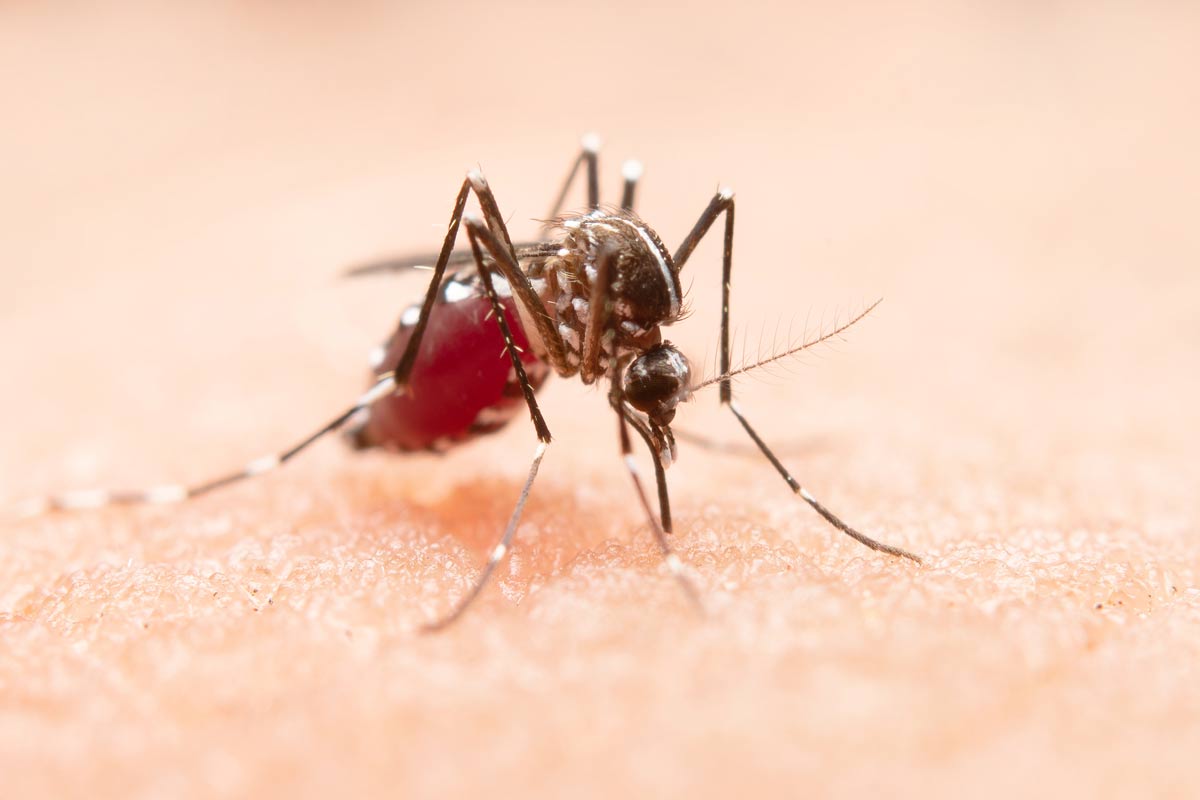
With climate change widening the range of the Aedes mosquito, chikungunya outbreaks are expected in new territory
2. Floods, drought and warming seas increase waterborne disease risk
Floods overwhelm sanitation systems, contaminate drinking supplies and displace people into crowded conditions where diarrhoeal disease spreads fast
Meanwhile drought can concentrate contaminants in whatever water remains and forces people to drink from unsafe
In northern Europe, warmer, less saline coastal water is proving hospitable to dangerous bacteria for the first time
Amid flooding, Mozambique’s preventive cholera vaccination strategy roars to life
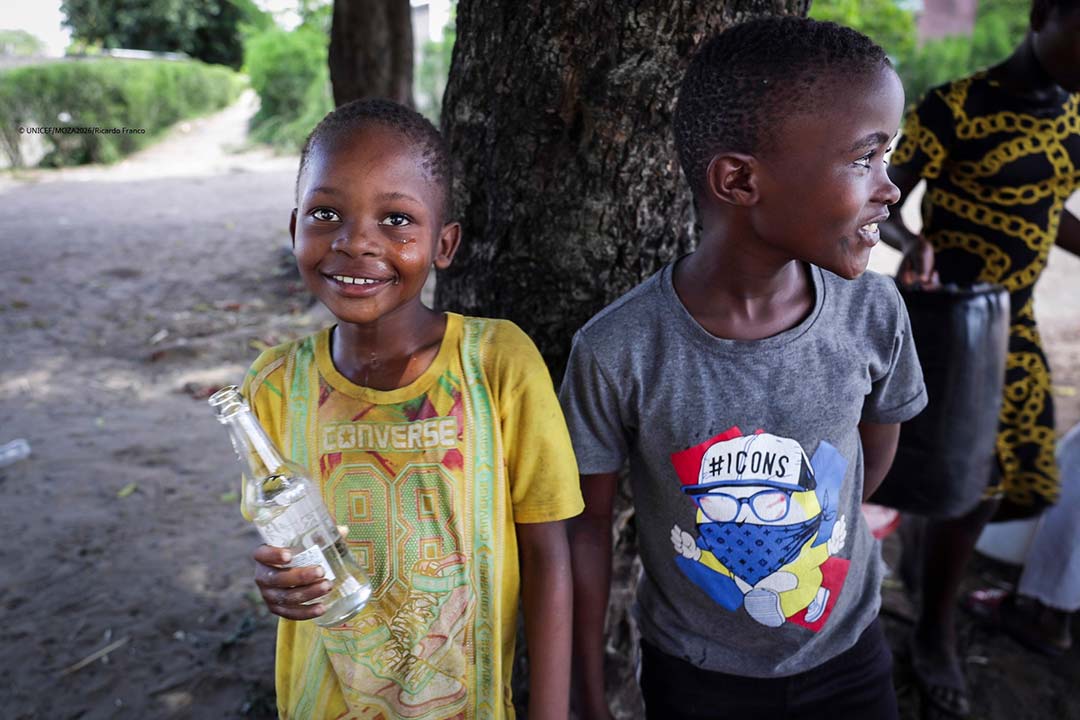
Mozambique is the first country to restart preventive vaccination after a four-year pause, in the middle of a flood season.
A deadly flesh-eating bacterium is spreading in Europe. Is climate change to blame?
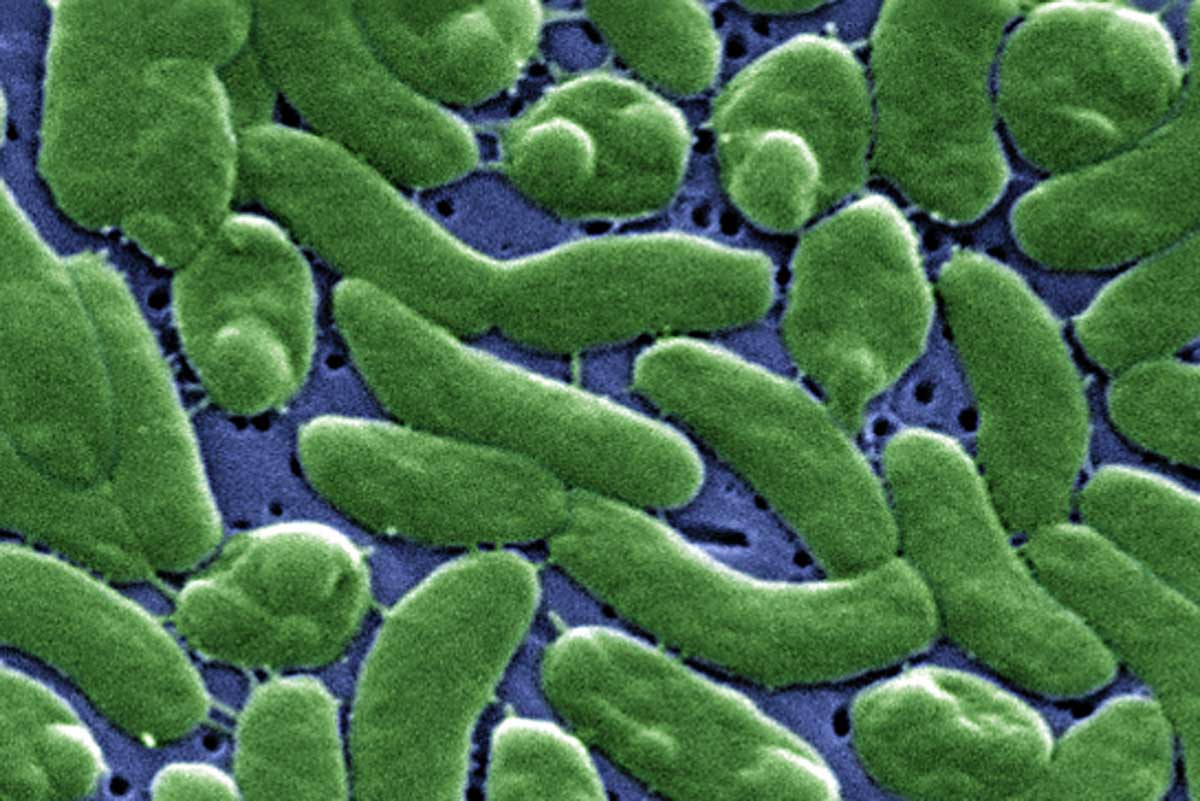
Baltic heatwaves appear to be switching on the genes that make Vibrio vulnificus dangerous.
A strong El Niño is coming: could it lead to more disease outbreaks?
Disease experts explain why cholera preparation has to start now, and what a months-long forecast window makes possible
3. Antimicrobial resistance linked to climate change
The growing resistance to antibiotics is usually pinned on their overuse in clinics and on farms, but drought, flooding and the displacement that follows extreme weather all give resistant bacteria fresh opportunities to multiply and spread
That makes drug resistance an environmental problem, not just a medical one, and the burden falls on countries already absorbing the worst of the climate crisis with the least to spend on it
Five ways in which the climate crisis is worsening antimicrobial resistance
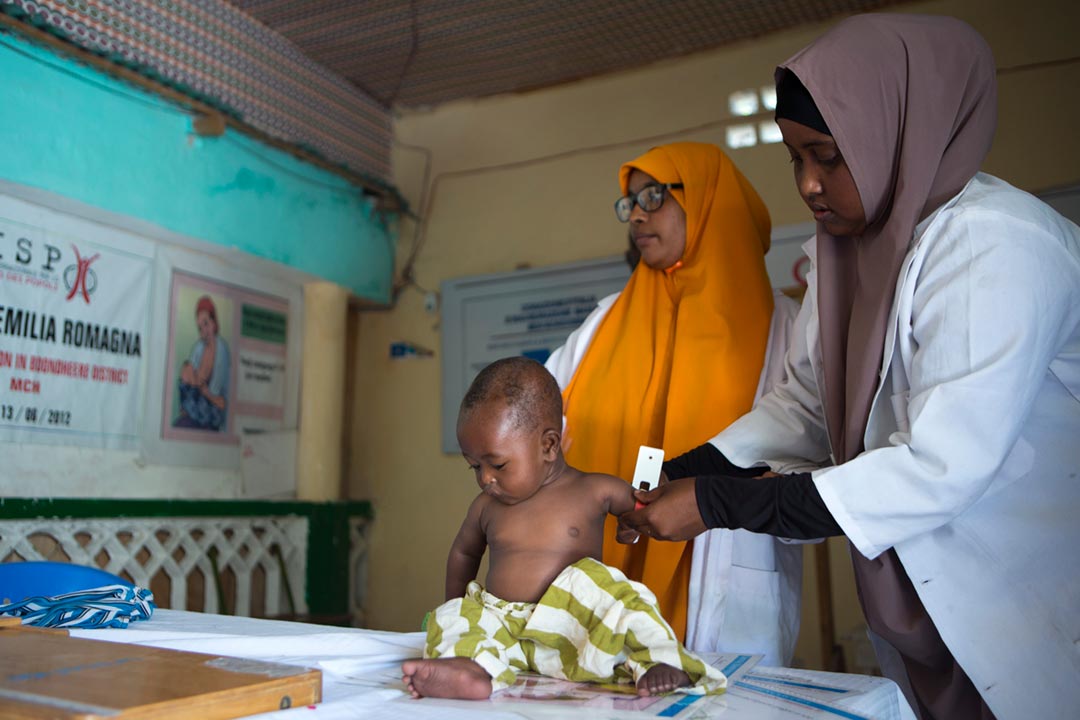
Extreme weather, higher temperatures, pollution and overcrowding are each giving resistant bacteria an opening.
The world is running out of antibiotics that work. Drought is making it worse
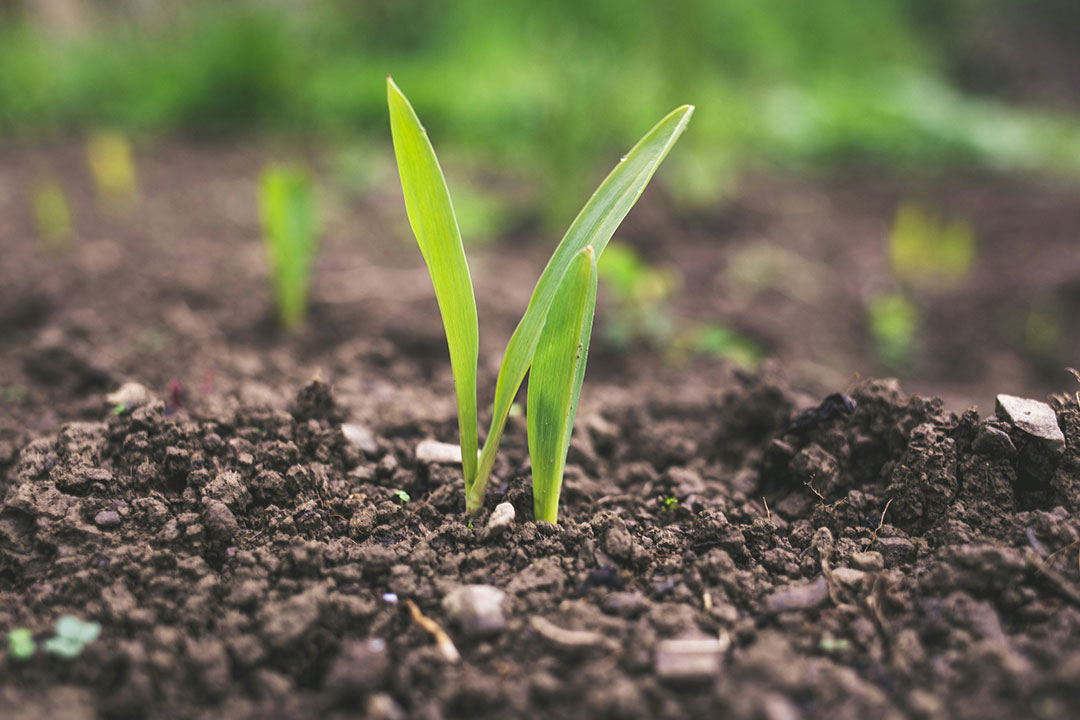
A Caltech study finds that drought concentrates natural antibiotics in soil
4. The dangers of extreme heat and smoke
Heat acts directly on the body through heat stroke, cardiovascular strain, kidney damage and, in pregnancy, a raised risk of preterm birth
It falls hardest on people who cannot get out of it, including outdoor workers, people whose homes offer no relief and health workers who have to work regardless
Warming is also driving more wildfires, and their smoke kills far more people than the flames do
The particles in wildfire smoke are ultrafine enough to pass into the bloodstream and reach the heart, brain, kidneys and placenta, and the death toll is rising fastest in countries with the fewest clean-air shelters, filters and warning systems
For Delhi’s outdoor workers, every heatwave has a price
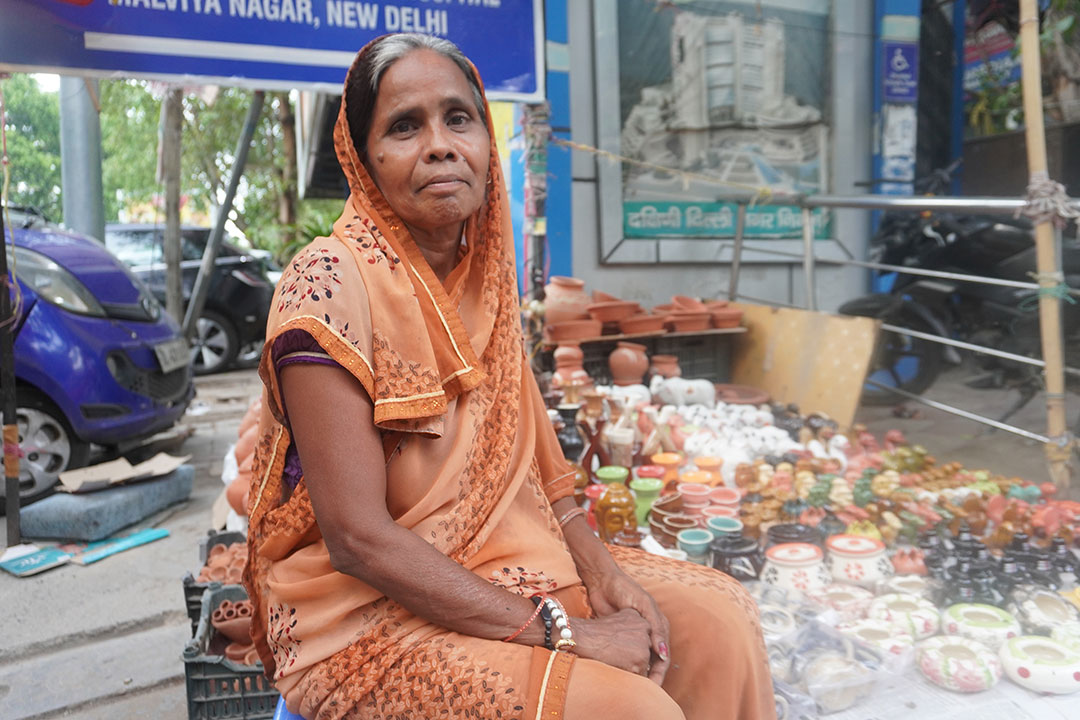
At ‘feels-like’ temperatures above 51°C, staying home isn’t an option for the city’s street vendors. The cost is counted in both health and income.
Extreme heat in India is threatening frontline health workers and vaccination coverage
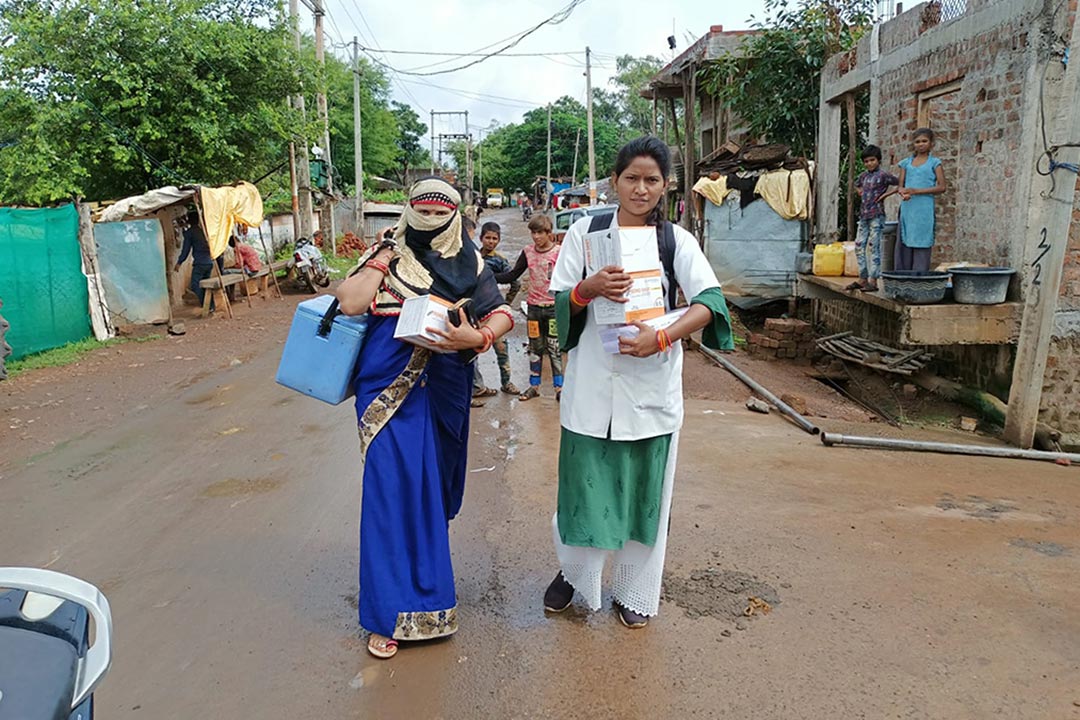
Health workers are suffering heat stroke on their rounds, and families are staying away from clinics.
Fire-breathing dragon clouds: when the smoke in wildfires is more dangerous than flames
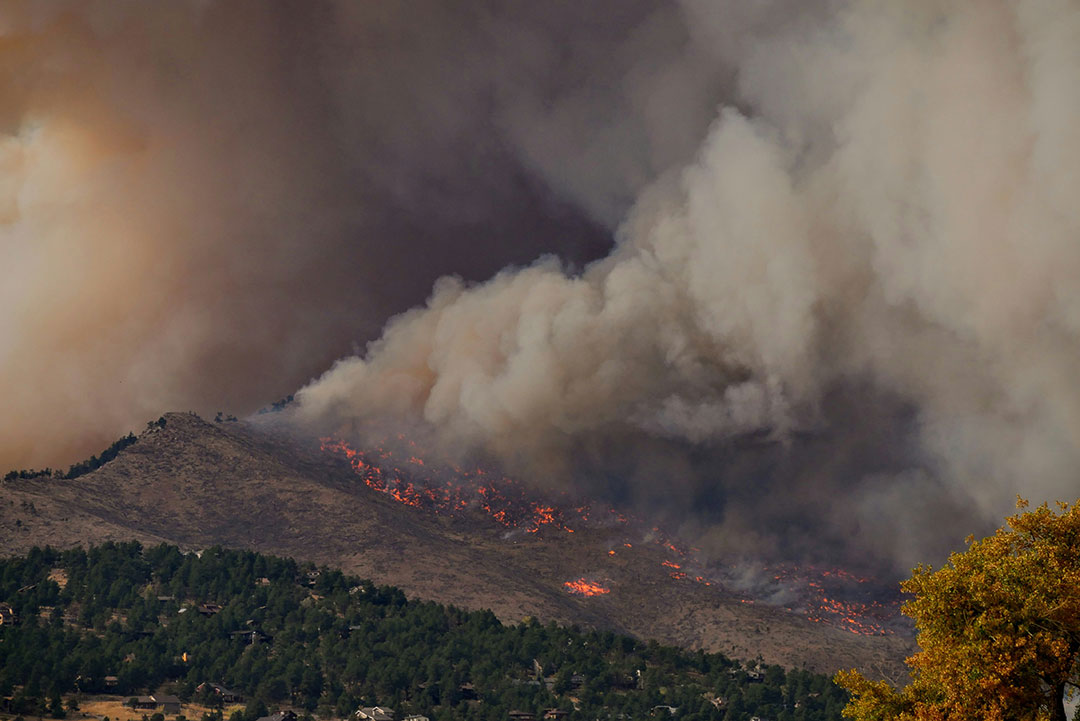
Wildfire smoke kills far more people than the fires themselves, and ultrafine particles reach the bloodstream, the brain and the placenta, with children under five hit hardest
