


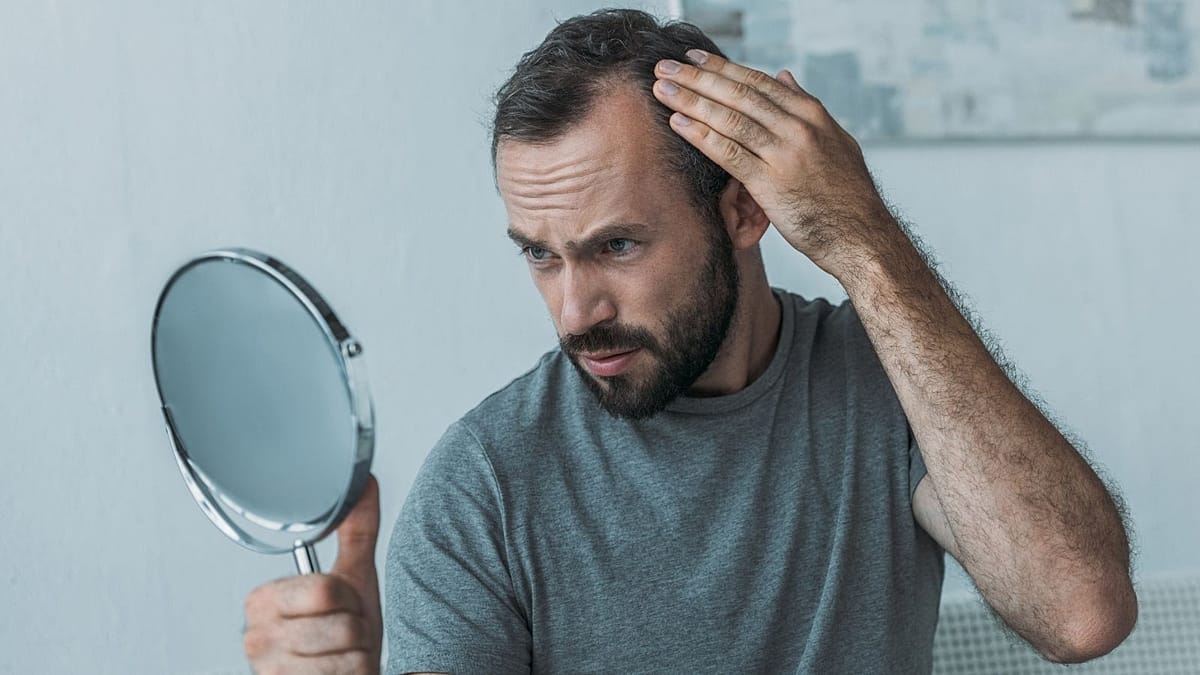
People taking GLP-1 drugs have a low risk of hair loss, which is significantly higher than for those on other diabetes medications, a new study has found
Glucagon-like peptide-1 (GLP-1) receptor agonists, mainly used to treat type 2 diabetes and obesity, are associated with a significantly higher risk of hair loss than other diabetes medications, according to a new study published inThe BMJ
ADVERTISEMENT
ADVERTISEMENT
While rare, some people taking semaglutide and tirzepatide have reported hair loss. The new study confirms the low risk of hair loss, with authors arguing that this can help make better informed decisions
Importantly, the most observed cases of hair loss linked to GPL-1 were reversible, as hair follicles remained intact, the authors said
“Although the absolute risk of clinically recorded alopecia associated with GLP-1 receptor agonist use is low, the observed association may still influence patients’ satisfaction, adherence, and decisions to start or continue therapy,” authors wrote
The researchers analysed electronic records of patients on medication for type 2 diabetes, including GLP-1 and two other alternative diabetes drugs: SGLT-2 inhibitors and DPP-4 inhibitors. Compared with SGLT-2 inhibitors, GLP-1 receptor agonists were linked to a 37% higher risk of alopecia; compared with DPP-4 inhibitors, the risk was 68% higher
GLP-1 medications were initially developed to treat type 2 diabetes, but their use has expanded to several other indications, including weight loss, cardiovascular risk reduction and obstructive sleep apnoea
They work by mimicking glucagon-like peptide-1, a hormone produced in the gut after eating. They activate receptors in the pancreas to stimulate insulin secretion, and in the brain to help regulate appetite
The authors point out that rapid weight loss and reduced calorie intake are well-established triggers of hair shedding
Hormonal changes may also play a role, they noted, although further studies are needed to clarify the underlying mechanisms. Caloric restriction can further contribute to physiological stress and deficiencies in micronutrients such as iron, zinc and biotin, which may disrupt the hair growth cycle
While hair loss does not typically result in physical harm, it may have significant psychosocial consequences, affecting self-esteem, quality of life, and treatment adherence, the authors added
The authors conclude that further research is needed to clarify the mechanistic links between GLP-1 receptor agonist therapy, weight loss and hair loss, and to identify the patients who may be at greatest risk
Go to accessibility shortcuts
Read more
Health news
West Nile virus: 21 cases in Greece as it spreads across Europe
Health news
Over 5,800 excess deaths recorded in France during the June heatwave
Health news
