


Home
Tech
News
Google, YouTube release digital wellbeing guide for Indian parents
By t2ONLINE Web Desk
Published : 21 Jul 2026, 4:23PM
Google India and YouTube have released a Digital Wellbeing Guidebook for Indian Families, an initiative aimed at helping parents manage their children’s internet use. The guide adapts the company’s broader global approach to online safety to reflect specific conditions in Indian households, and was put together with input from mental health professionals, educators and child development specialists
Rather than focusing primarily on screen-time restrictions, the guidebook sets out practical approaches intended to help families establish digital habits collaboratively
Dr Garth Graham, global head of healthcare and public health at YouTube, described the reasoning behind the approach: “As a parent of four myself, I know these conversations at the dinner table are never easy. But just like teaching a child how to swim, our goal as parents isn’t to keep them on dry land forever. It is to stand with them in the shallow end, build their confidence, and teach them how to navigate the digital world safely.”
Dr Manoj Kumar Sharma, professor of clinical psychology at NIMHANS’s SHUT Clinic (Service for Healthy Use of Technology), said friction in Indian homes often stems from sudden interventions, such as parents cutting off Wi-Fi access or confiscating devices without warning. He argued that a more collaborative approach, built around agreed boundaries rather than snap decisions, tends to be more effective and avoids making children feel shut out of the process
In line with this, the guidebook encourages parents to draw up family media agreements together with their children and to identify tech-free periods or spaces in the home, shifting the parental role from enforcement towards shared participation
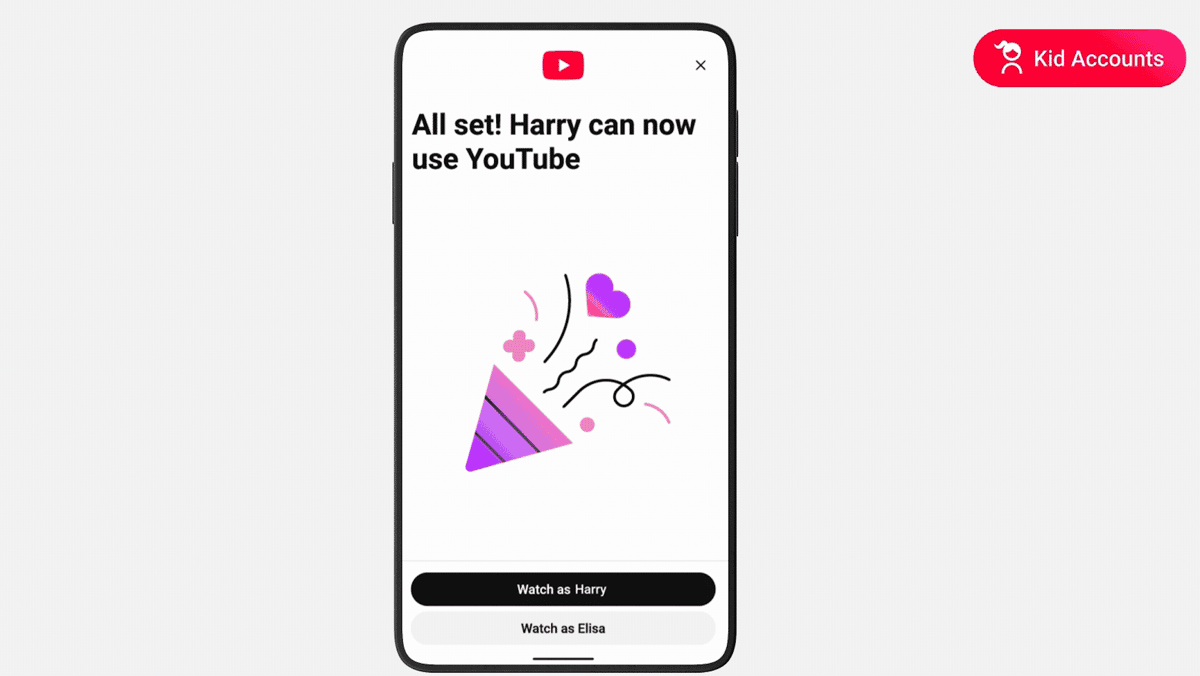
The guidebook addresses several circumstances the companies say are particular to Indian family life. It offers guidance for parents on creating distraction-free study environments, given how heavily students rely on online platforms while preparing for exams and coursework. It also acknowledges that many Indian households share a single device across multiple generations, and points parents towards profile-switching features, such as YouTube’s “Who’s Watching” tool, as a way of separating children’s use from adult accounts.
The guide additionally touches on digital financial literacy, referencing tools such as supervised UPI-based allowances and Circle to Search, which are presented as ways of helping teenagers and older relatives recognise online financial scams
Dr Samir Parikh, chairperson of the mental health programme at Fortis Healthcare and Adayu Mindfulness, said shared viewing has a role to play in this, describing regular family conversations after watching content together as a way of checking in on what children have seen and how it affected them
Several contributors to the initiative stressed that adult behaviour sets the tone for children’s own habits. Actor Soha Ali Khan said becoming a parent had made her more aware of her own device use, noting that children register the presence of a phone in a room regardless of whether it is being used for work or idle scrolling, and said her family had begun setting phones aside during meals as a result
Actor and parenting advocate Neha Dhupia made a similar point, saying that simply taking devices away does not teach children to make good choices on their own, and that technology works best when treated as a tool for learning or hobbies rather than a substitute for family time
The Digital Wellbeing Guidebook for Indian Families is available as a free download, alongside supplementary tool guides and conversation prompts, through Google and YouTube’s website
- TAGS
- digital wellbeing
- YouTube
Next Story
A.R. Rahman launches immersive storytelling app for Apple Vision Pro
21 Jul 2026, 4:23PM
More Stories
