


Key facts
- Heat is an important environmental and occupational health hazard. Heat stress is a leading cause of weather-related deaths and can exacerbate underlying illnesses including cardiovascular disease, diabetes, mental health, asthma, and can increase the risk of accidents and transmission of some infectious diseases. Heatstroke is a medical emergency with a high-case fatality rate.
- The number of people exposed to extreme heat is growing exponentially due to climate change in all world regions. Heat-related mortality for people over 65 years of age increased by approximately 85% between 2000–2004 and 2017–2021 (1).
- Between 2000–2019 studies show approximately 489 000 heat-related deaths occur each year, with 45% of these in Asia and 36% in Europe (2). In Europe alone in the summer of 2022, an estimated 61 672 heat-related excess deaths occurred (3). High intensity heatwave events can bring high acute mortality; in 2003, 70 000 people in Europe died as a result of the June–August event. In 2010, 56 000 excess deaths occurred during a 44–day heatwave in the Russian Federation.
- Vulnerability to heat is shaped by both physiological factors, such as age and health status, and exposure factors such as occupation and socio-economic conditions.
- The negative health impacts of heat are predictable and largely preventable with specific public health and multi-sectoral policies and interventions. WHO has issued guidance for public health institutions to identify and manage extreme heat risks. Action on climate change combined with comprehensive preparedness and risk management can save lives now and in the future.
Overview
A heatwave is a period where local excess heat accumulates over a sequence of unusually hot days and nights. Heatwaves and prolonged excess heat conditions are increasing in frequency, duration, intensity and magnitude due to climate change. Even low and moderate intensity heat waves can impact the health and well-being of vulnerable populations
The frequency and intensity of extreme heat and heat waves will continue to rise in the 21st century because of climate change. Extended periods of high day and nighttime temperature conditions create cumulative stress on the human body, increasing the risk of illness and death from heat exposure. Heatwaves can acutely impact large populations for short periods of time, often trigger public health emergencies, and result in excess mortality and cascading socioeconomic impacts (for example, lost work capacity and labour productivity). They can also cause loss of health service delivery capacity, when power shortages accompany heatwaves and disrupt health facilities, transport and water infrastructure.
Population ageing and the growing prevalence of non-communicable diseases (respiratory and cardiovascular diseases, diabetes, dementia, renal disease and musculoskeletal disease) means that populations are becoming more susceptible to negative heat impacts. Cities are not being designed to minimize the accumulation and generation of urban heat, with a loss of greenspace and inappropriate housing materials (for example, metal roofs) that amplify human exposure to excess heat
Awareness among health workers and the public remains insufficient of the health risks posed by heat. Health professionals should adjust their guidance, planning and interventions to account for increasing heat exposures, as well as to manage acute increases in admissions associated with heatwaves. Practical, feasible and often low-cost interventions at the individual, community, organizational, governmental and societal levels can save lives
Who is affected?
Many populations in tropical and subtropical climates are chronically exposed to high temperatures. In mid to high latitudes, population exposure excess heat is seasonal
Individual vulnerability to heat for physiological or clinical factors in adults is well described (4). Heat can affect health through a variety of direct and indirect mechanisms. There is limited research on the impact of chronic (sustained) exposure to high temperatures and humidity
Outdoor and manual workers, athletes and civil protection employees are exposed to excess heat because of their work and susceptible to exertional heat stress
Urban and rural poor are often disproportionately exposed to overheating due to low quality housing and lack of access to cooling. Due to building materials, informal settlements are often hotter than other urban areas in some cities. Gender can play an important role in determining heat exposure, for example where women are primarily responsible for cooking indoors during hot weather
Infographic: Main heat vulnerability factors
How does heat impact health?
The amount of heat stored in the human body is determined by a combination of (a) an inability to eliminate internally generated heat from metabolic processes due to environmental heat stress (for example, high temperature, high humidity, low wind, high thermal radiation), (b) clothing creating a barrier to heat loss, (c) external heat gain from the environment
The body’s inability to regulate internal temperature and eliminate heat gain in such conditions increases the risk of heat exhaustion and heatstroke. The strain put on the body as it tries to cool itself also stresses the heart and kidneys. As a result, heat extremes can worsen health risks from chronic conditions (cardiovascular, mental, respiratory and diabetes related conditions) and cause acute kidney injury
Deaths and hospitalizations triggered by extreme hot weather occur rapidly (same day and following days), which means interventions also need to be rapid when a heat alert is issued
Heat can also disrupt and compromise essential health services, such as the loss of power supply and transport. Heat will reduce working productivity and increases the risk of accidents. It is difficult to complete work or learning in very hot weather and heatwaves may lead schools and other institutions to close. Heatwaves can also be associated with hazardous air pollution events
The scale and nature of the health impacts of heat depend on the timing, intensity and duration of a heat event, and the level of acclimatization and adaptability of the local population, infrastructure and institutions to the prevailing climate
Infographic: Scale and nature of the health impacts of heat
What actions should the public take?
Stay out of the heat
- Avoid going outside and doing strenuous activity during the hottest time of day.
- Stay in the shade. Remember that perceived temperatures in the sun can be 10–15˚C higher.
- Spend 2–3 hours during the day in a cool place.
- Be aware of the risk of drowning. Never swim alone.
- Stay informed about official heat warnings.
Keep your home cool
- Use the night air to cool down your home by opening windows after dark when the outdoor temperature is lower than the indoor temperature.
- During the day when outdoor temperatures are higher than indoors, close windows and cover them with blinds or shutters to block direct sunlight. Turn off as many electrical devices as possible.
- Use electric fans only when temperatures are below 40˚C / 104˚F. In temperatures above 40˚C / 104˚F, fans will heat the body.
- If using air conditioning, set the thermostat to 27˚C / 81˚F and turn on an electric fan – this will make the room feel 4˚C cooler. It can also save up to 70% on your electricity bill for cooling.
- Remember that it may be cooler outdoors in the shade.
Keep your body cool and hydrated
- Use light and loose-fitting clothing and bed linens.
- Take cool showers or baths.
- Wet your skin using a damp cloth, spray, or wet light clothing.
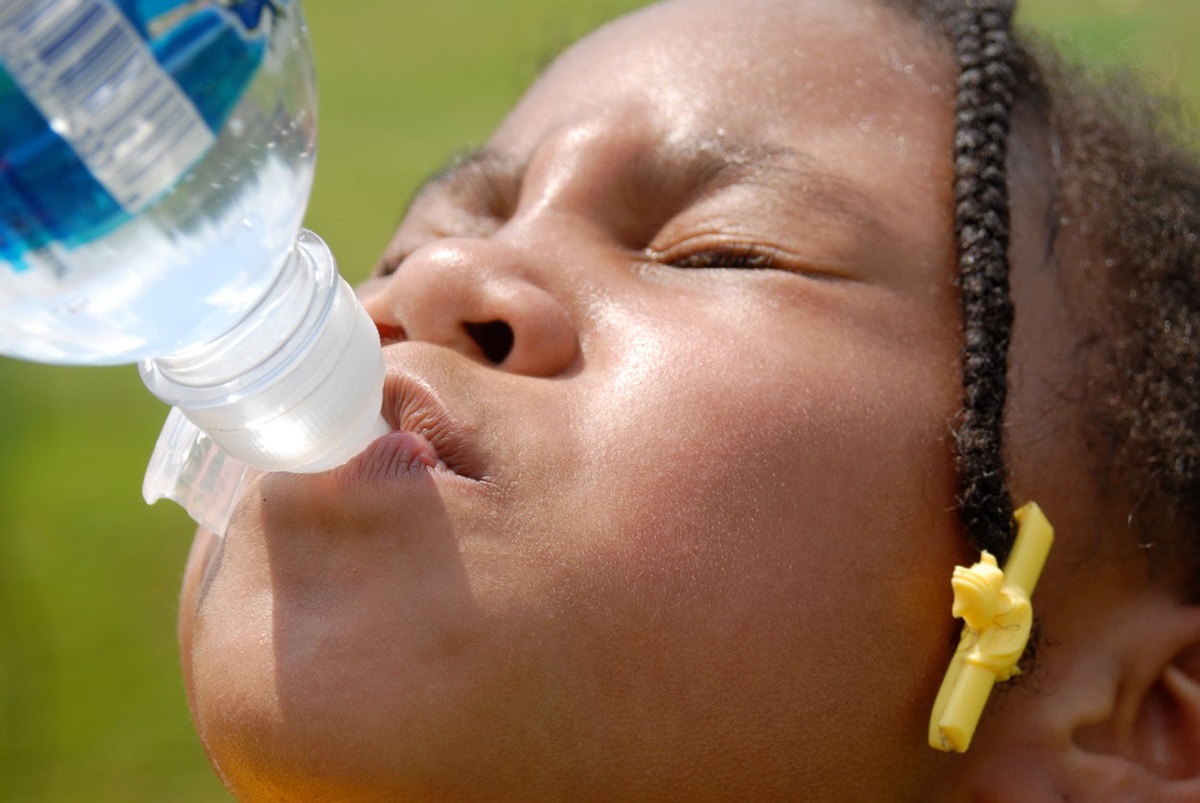
- Drink water regularly (1 cup of water per hour and at least 2–3 litres per day).
- Regularly check in with vulnerable people in your circle – especially people over 65 years old and those with heart, lung or kidney conditions, a disability, and living alone.
Protect infants and children
- Never leave children or animals in parked vehicles for any amount of time, as temperatures can quickly become dangerously high.
- Avoid direct exposure to the sun during peak hours, seeking shade or staying indoors instead. Shade can reduce how hot you feel by more than 10 °C.
- Never cover an infant stroller / pram with dry fabric – this makes it hotter inside the carriage. Instead, use a wet, thin cloth and re-wet as necessary to lower the temperature. Combine with a portable fan for even greater cooling.
- Dress children in lightweight, loose-fitting clothing that covers their skin, and use wide-brimmed hats, sunglasses and sunscreen to protect them from the sun’s rays.
- Follow the guidance on keeping your home cool to maintain a safe indoor temperature.
WHO response
Mitigating climate change by reducing greenhouse gas emissions is imperative and urgent to limit the magnitude of human costs from extreme heat. WHO is addressing climate change through the Alliance for Transformational Change in Climate and Health (ATACH), as well as country support of technical and policy reks of climate change
WHO works with the health sector to strengthen governance, preparedness and response to acute impacts of heatwaves by developing heat action plans, heat early warning systems and advisories, and emergency response plans that map the risks, vulnerable populations, available capacities and ren health facilities, nursing homes and schools which do not have access to cooling
WHO co-sponsors the Global Heat Health Information Network to accelerate sharing and learning about the risks and solutions to address extreme heat. WHO partners closely with the World Meteorological Organization on the development of Heat Health Warning Systems
Aligned with World Health Assembly resolution WHA77.12, WHO’s initiative “Beat the Heat” aims to protect the health and safety of workers, spectators, and communities by addressing rising risks from extreme heat, air pollution, and UV exposure at workplaces, sporting and other mass gatherings events
References
- Lancet Countdown: Heat-related Mortality. 2023. https://lancetcountdown.org/explore-our-data/
- Zhao et al, 2021 Global, regional, and national burden of mortality associated with non-optimal ambient temperatures from 2000 to 2019: a three-stage modelling study https://pubmed.ncbi.nlm.nih.gov/34245712/
- Heat-related mortality in Europe during the summer of 2022 https://www.nature.com/articles/s41591-023-02419-z
- Hot weather and heat extremes: health risks. The Lancet. https://www.thelancet.com/journals/lancet/article/PIIS0140-6736(21)01208-3/fulltext
