


Why strength training is important for women
03:55
Our bones weaken as we age, but there are things you can do to slow the process down. Your food choices can have a major impact on bone strength; your lifestyle choices including alcohol intake and smoking make a difference, and your workouts do too
Weight-bearing exercises, the National Institute on Aging states, including jogging, hiking, walking and climbing stairs, can support how much calcium and other minerals our bones retain, thus making them denser and stronger
Resistance training or strength training, however, is the gold standard, experts say. That is, as long as you’re exercising with adequate regularity
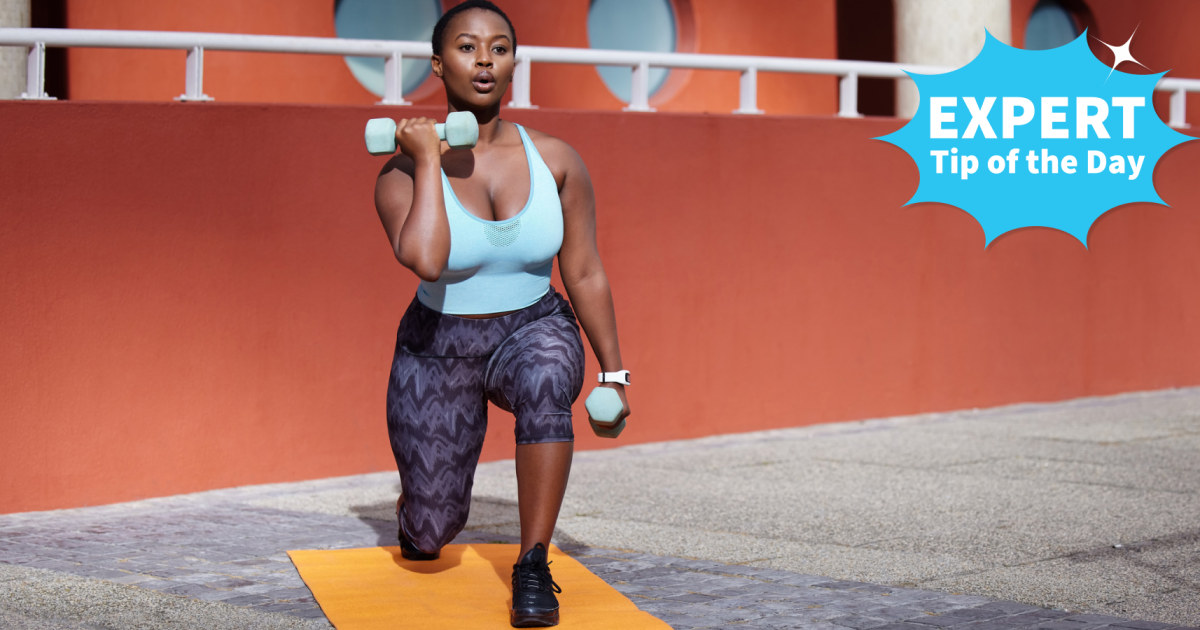
Fitness Tip of the Day: Strength Train 2-3 Times a Week to Improve Bone Health
Whether you opt for lighter weights for tons of repetitions or heavy weight with fewer reps, finding the sweet spot for your strength training cadence is critical, says Dr. Jocelyn Wittstein, an orthopedic surgeon and author of “The Complete Bone and Joint Health Plan.”
“The most important thing is you find a range that you can work in where you don’t injure yourself so that you can continue to be consistent with resistance training two or three days a week,” she tells TODAY.com
Why It Matters
At its healthiest, the body will quickly replace bones that degenerate with new healthy bone tissue, according to the National Institute on Aging. By the time we reach age 30, however, that regeneration process will begin slowing down. As we age, bone degeneration will outpace new bone growth, which can lead to conditions like osteoporosis
Having strong bones reduces your risk of falling, serious injury and mobility limitations, and helps you maintain your independence as you get older
How to Get Started
There’s no need to lift heavier than you’re capable of or for longer than you can withstand. Even moderate resistance can make a difference in maintaining bone strength, says Wittstein
“Ideally, the perfect set of exercises for improving bone density are those that load the spine and the hips, which are common areas of fracture as we age with loss of bone density,” she previously told TODAY.com. “Our bones need to feel the load from the top down.”
- Deadlift
- Back squat (a squat with a barbell in the upper back)
- Squat with a hex bar, kettlebell, or dumbbells
- Standing overhead press
- Farmer’s carry
- Pushups
- Planks
- Bear walks
- Shoulder taps
To determine the appropriate number of repetitions, start with, say, 15 reps of a strength training exercise, suggests Wittstein. If the 15th rep is difficult for you but you can maintain proper form, you’re within the appropriate rep range with the weight you’ve selected. Then, after a rest, complete the same number of reps for two to three more rounds
For certain exercises, weights or higher-intensity training, that rep range might look like 4 reps or 10 reps instead
When the reps start to feel easy after a few weeks, you’ll know you’re gaining muscle and strength, and that you can take things up a notch — a fitness practice called progressive overload. Then, either increase your repetitions or increase the weight for an additional challenge for your muscles and your bones
TODAY’s Expert Tip of the Dayseries is all about simple strategies to make life a little easier. Every Monday through Friday, different qualified experts share their best advice on diet, fitness, heart health, mental wellness and more
