



Clinical Care
How UHealth Is Reimagining Food and Nutrition as Part of Healing
By: Staff Writer | August 26, 2026 | 10 min. read |
Summary
- UHealth has launched phase 1 of a food and beverage initiative in comprehensive treatment unit (CTU) locations to enhance nutrition and the patient experience.
- The effort reflects a broader approach to healing that integrates nutrition, education and care delivery.
- Phase 1 began June 1 across four CTU locations, with expansion planned through January 2027.
Healing in modern medicine is often defined by what is most visible, such as treatments, procedures and technologies that can be measured and scaled. Less visible are the moments in between, including the meals and snacks patients receive
At UHealth—University of Miami Health System, a broader view is taking shape through food, where what patients eat becomes part of care delivery and supports recovery and overall health
What Is Nutrition-Based Cancer Care?
Nutrition-based cancer care incorporates healthy food choices and evidence-based nutrition guidance into the treatment experience. It is designed to help patients maintain strength, support recovery and manage challenges such as fatigue, nausea and appetite changes that can make eating well more difficult during treatment
At UHealth, this approach includes expanding nutritious food and beverage options in cancer treatment units while connecting patient care with nutrition research, education and clinical expertise. By treating food as part of the care environment, the initiative reinforces guidance from care teams and supports patients’ health and well-being during and beyond treatment
Nutrition in the Patient Care Environment
Phase 1 of a food and beverage initiative launched June 1 across four Comprehensive Treatment Unit (CTU) locations, including the UHealth medical campus in Miami, Lennar Foundation Medical Center,UHealth Doral Medical Center and UHealth SoLé Mia. The initiative introduced a more deliberate approach to nutrition in care settings, where patients often spend extended time receiving treatment. The model will expand to all satellite locations in fall 2026, with full implementation expected in early 2027.
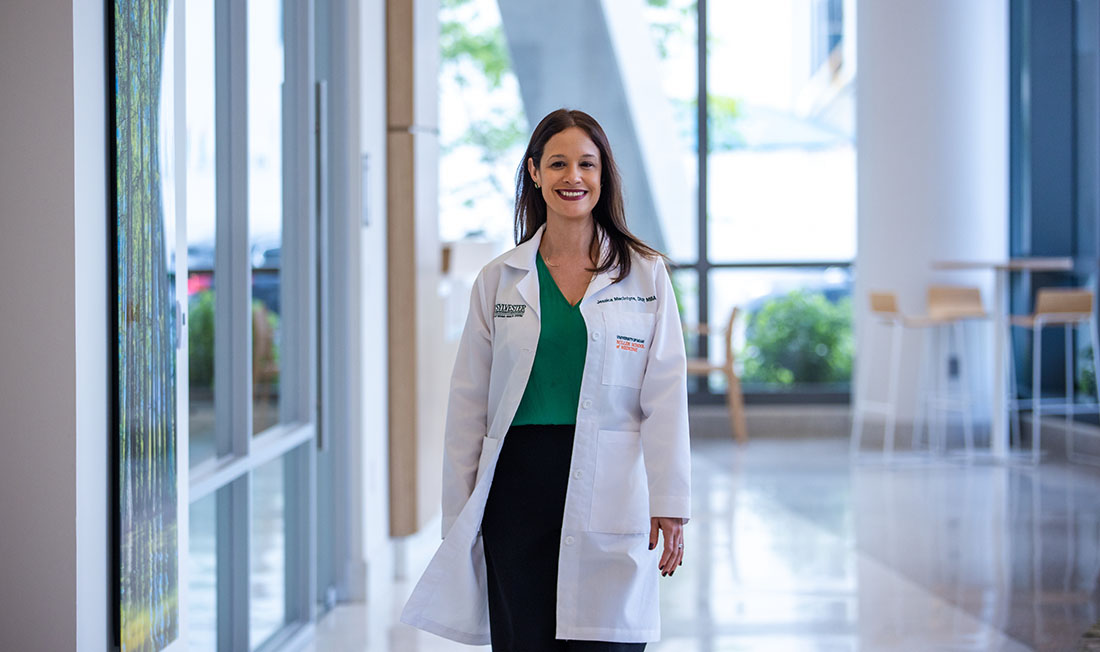
“Food has long been recognized as a foundation of health, and today research is helping us better understand its role in supporting patients through cancer treatment,” said Jessica MacIntyre, D.N.P., M.B.A., APRN, who leads clinical operations for Sylvester Survivorship and Supportive Care Institute. “By integrating evidence-based nutrition initiatives into our chemotherapy units, we are translating science into practice to improve the health, experience and outcomes of the patients we serve.”
The initiative includes a 25% to 30% reduction in foods and beverages high in added sugars and processed deli meats, paired with an increase in healthier options such as vegetables, fruits, lean proteins and whole grains. Updated offerings include items such as vegetables with hummus, expanded salad options and new prepared meals, including chicken pesto and pasta. Select familiar items will remain to support patient comfort and appetite during treatment. Input by the Sylvester Patient and Family Advisory Council members and a tasting of the foods selected by our Sylvester dietitians helped guide food selection and preferences.
The effort begins in cancer care, but reflects a system-level shift toward more coordinated, patient-centered care, where outcomes, experience and operational design are closely aligned with research at the University of Miami Miller School of Medicine, clinical expertise and cross-disciplinary collaboration
The Science of Eating Well
This approach aligns with a growing body of research across UHealth that examines the role of nutrition in patient outcomes. Sylvester has several ongoing clinical trials that incorporate nutrition, led by Tracy Crane, Ph.D., RDN,co-lead of the Cancer Control Program and director of lifestyle medicine, prevention and digital health at Sylvester
“Food is not separate from cancer care. It is part of the care environment,” said Dr. Crane, an associate professor of medical oncology at the Miller School. “Patients may spend hours in our treatment units, often while experiencing fatigue, nausea, appetite changes or other symptoms that make eating well more difficult. The foods we offer should be appealing and nourishing, accommodate patients’ individual needs and reinforce the evidence-based guidance they receive from their care teams.”
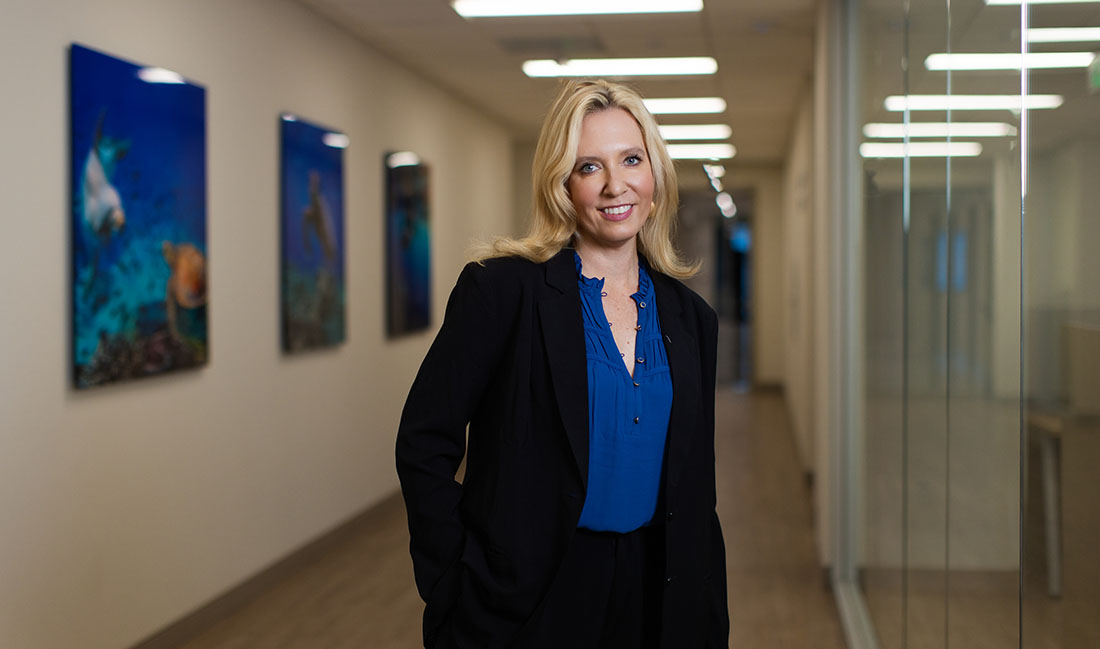
Research increasingly supports the importance of an overall healthy lifestyle rather than any single food or nutrient. Individuals whose habits most closely align with the American Cancer Society recommendations, including a diet rich in vegetables, fruits and whole grains, along with regular physical activity and maintaining a healthy weight, may reduce the likelihood of cancer recurrence by up to 40% when combined with other healthy behaviors, she explained
Frequently Asked Questions
Why is nutrition important during cancer treatment?
Nutrition helps patients maintain strength, support recovery and tolerate treatment while managing symptoms such as fatigue, nausea and appetite changes. Healthy eating can reinforce guidance from care teams and support overall well-being during and after treatment
What foods are included in UHealth’s nutrition initiative?
The initiative emphasizes vegetables, fruits, lean proteins and whole grains while reducing foods and beverages high in added sugars and processed deli meats. Updated offerings include expanded salad options, vegetables with hummus and healthier prepared meals
How does nutrition support healing during cancer treatment?
During treatment, the body is constantly repairing and responding to therapies that can be physically demanding. Nutrition provides the energy and nutrients needed to maintain muscle, support recovery, stabilize energy levels and help patients tolerate treatment
Does nutrition affect cancer outcomes?
Research increasingly supports the importance of healthy lifestyle habits, including nutritious eating patterns, regular physical activity and maintaining a healthy weight. These behaviors may contribute to better overall health and long-term cancer survivorship
How is UHealth incorporating nutrition into patient care?
UHealth is integrating nutrition into clinical practice, research and medical education. The initiative includes healthier food offerings in cancer treatment units, patient education, evidence-based nutrition guidance and ongoing research examining the relationship between nutrition and health outcomes
Beyond clinical trials, this investment extends across the University of Miami to the Miller School, where a comprehensive nutrition curriculum has been integrated to ensure medical students graduate with the knowledge, skills and abilities to address nutrition as a core component of patient care
“Together, these efforts reflect a broader institutional commitment to making nutrition a part of high-quality health care,” Dr. Crane said. “We are connecting scientific discovery, clinical practice and medical education so that patients can benefit from what we learn today and future physicians are prepared to incorporate nutrition into whole-person care.”
Moving Food from Background to Intention
During treatment, the body is under constant demand. It repairs, adapts and responds to therapies that can be physically taxing. Nutrition supports that process in practical ways, from maintaining muscle to stabilizing energy levels and supporting recovery
Federika Garcia, who co-leads the initiative and is the director of clinical programs for nutrition and wellness at Sylvester, framed it more fundamentally
“The body cannot do the work of healing without the right inputs,” she said. “Nutrition gives patients the building blocks they need to tolerate treatment, recover and maintain strength in ways we can’t overlook.”
Aligning Patient Experience With Care Delivery
Phase 1 will introduce dedicated food service attendants at key sites to enhance the patient experience and streamline operations. In addition, menu offerings will be refreshed to emphasize safe, high-quality and nutritious food options. Patients will receive education on the benefits of healthy eating and the evidence-based rationale behind these enhancements, empowering them to make informed choices that support their health during treatment
The transition is gradual by design. Garcia noted that balance is critical
“Patients are navigating a lot during treatment,” she said. “Any change we make needs to support them, not create another barrier. That means introducing better options in a way that feels manageable and responsive.”
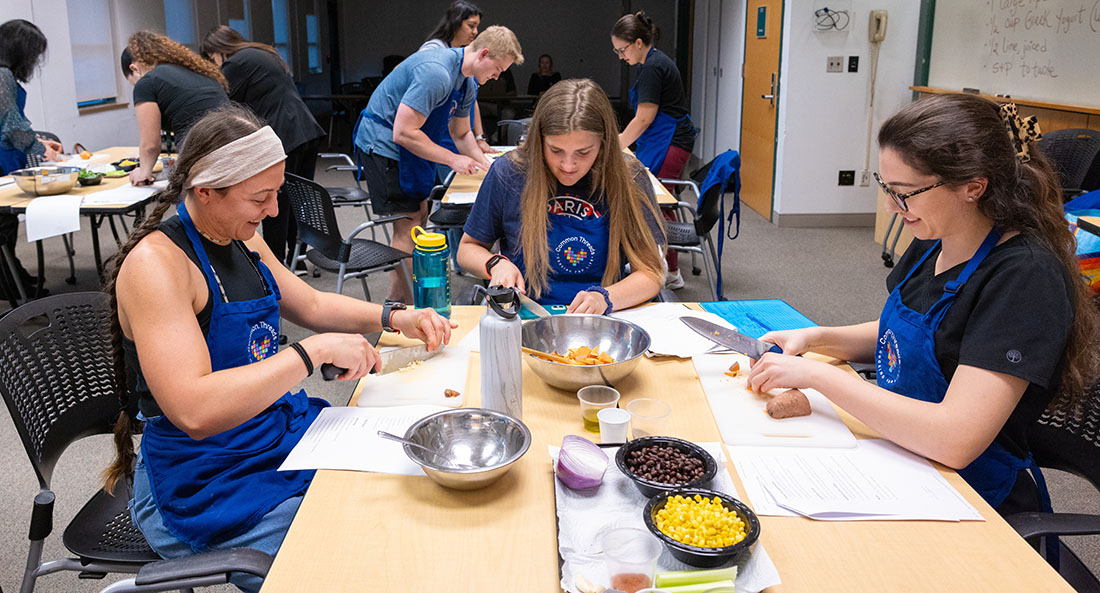
How the Miller School of Medicine Integrates Nutrition Education Across All Four Years of Medical School
The University of Miami Miller School of Medicine integrates evidence‑based nutrition education into medical school training
Read more

Believe in You: Survivorship in Motion
The Believe in You program enters its fourth year with more than 150 participants training together for the Dolphins Cancer Challenge
Read more
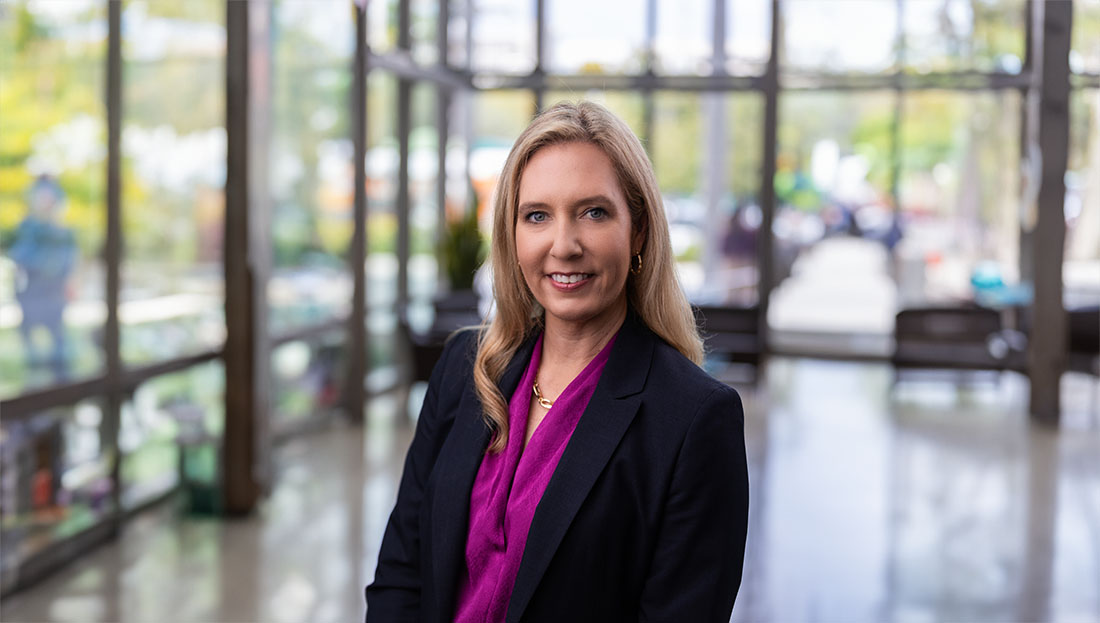
Dr. Tracy Crane Named Brigitte Burke Endowed Chair for Women’s Cancer Research
The honor recognizes Dr. Crane’s pioneering contributions to lifestyle medicine as a critical component of cancer care and prevention
Read more

Can Diet and Exercise Make Chemo Easier?
Sylvester’s LIFE-L study found that patients who followed the online program reported fewer symptoms like fatigue, anxiety and pain
Read more
Tags:Cancer Control Program, cancer research, cancer survivorship, chemotherapy, Dr. Tracy Crane, Jessica MacIntyre, lifestyle medicine, Newsroom, nutrition, SoLé Mia, Sylvester Comprehensive Cancer Center, Sylvester’s Survivorship and Supportive Care Institute, The Lennar Foundation Medical Center, UHealth Doral
