


Opinions24 August 2026
One conversation at a time: RSV protection for older adults
VaccinationRespiratory diseaseAgeing
print
Share:
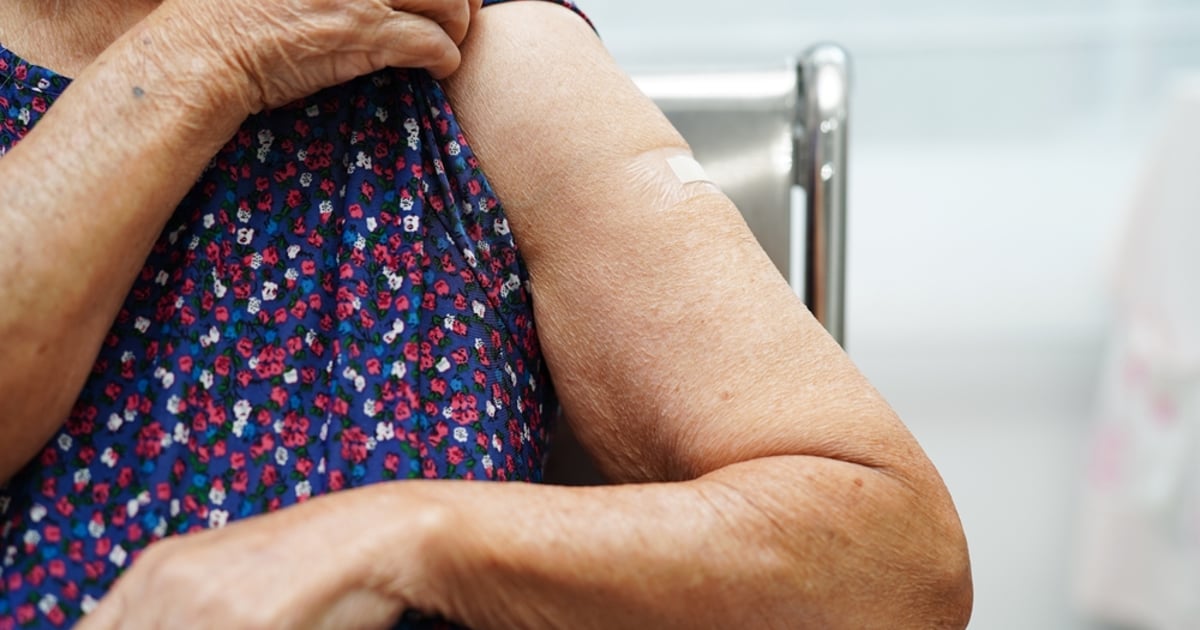
RSV vaccination is now free for people aged 75 and older, but more awareness of the vaccine is needed to increase uptake
Authored byCatherine Hughes
The availability of free respiratory syncytial virus (RSV) vaccination for older adults is a powerful addition to Australia’s arsenal against infectious diseases and has been warmly embraced by the community and healthcare professionals alike.
On 15 May, the Australian Government commenced free RSV vaccination for people aged 75 and over, and Aboriginal and Torres Strait Islander people aged 60 and over. This posed a major implementation challenge just two weeks before winter
Remarkably, more than 700,000 older adults received the free vaccine in just two months — a tremendous achievement by healthcare professionals and a testament to the strength of Australia’s immunisation infrastructure
Although RSV often presents like a common cold, it can have devastating consequences for older adults, who are at heightened risk of severe illness requiring hospital admission.
Respiratory complications such as pneumonia are only part of the picture, with RSV also capable of exacerbating existing conditions such as chronic obstructive pulmonary disease, asthma, diabetes and cardiovascular disease. Severe cases among older adults have also been associated with long-term deterioration in physical and cognitive health
RSV vaccination works. Clinical trials have shown a 94% reduction in severe RSV-associated lower respiratory tract disease among older adults, with real-world evidence demonstrating an 83% reduction in RSV-related hospital admissions among adults 60 years and over.
Survey reveals need for greater awareness
While early uptake figures are encouraging, considerable work remains. By mid-winter, the Immunisation Foundation of Australia (IFA) found that more than a million eligible older Australians had received their annual vaccine for influenza, but not for RSV. This was despite Australia recording more confirmed cases of RSV than either influenza or COVID-19 at the time
The timing of the program’s launch (just two weeks before winter) was likely the most significant impediment to uptake, however limited awareness of RSV also appears to be a key factor, as reflected in an IFA survey of older Australians.
Shortly prior to the commencement of the RSV immunisation program, the IFA polled more than 1,000 adults eligible for the free vaccine about their knowledge, attitudes and intended behaviours relating to RSV protection
The findings of our nationwide survey revealed a community that overwhelmingly supports vaccination but needs more information about RSV.
86% of respondents supported using vaccines to protect against serious illness. However, among the third who remained undecided about RSV vaccination specifically, the number one reason was the need for more information (47% of respondents)
Of those who were undecided, 76% had either never heard of RSV or knew little about it, while 57% did not know that a free vaccine was available to them
The survey findings underscore the importance of conversations with immunisation providers. One-third of respondents said a healthcare professional’s recommendation would motivate them to be vaccinated against RSV.
Other knowledge gaps were also evident. While 63% of respondents considered RSV vaccination to be “as important as influenza vaccination”, just as many were unsure whether the two vaccines could be administered at the same time
The survey also explored financial barriers, as people now eligible for free vaccination previously had to pay around $300 for the RSV vaccine. Among the 96% of respondents who had not paid privately, lack of awareness was more commonly cited than cost — 63% said they did not know about the RSV vaccine, while 25% had considered it too expensive
These findings reflect respondents’ recollections and intentions rather than verified clinical discussions or subsequent vaccination behaviour. Nevertheless, they identify clear opportunities to improve awareness and support informed decision-making
GPs on the frontline of RSV protection
Survey findings confirm that general practitioners have a key role to play in supporting RSV vaccination uptake among older adults, particularly by engaging Australians who remain undecided
According to Australian Immunisation Register data, 82% of older adults protected against RSV received their vaccine in general practice, placing GPs firmly at the centre of efforts to provide evidence-based information about RSV vaccine safety, effectiveness and eligibility. In addition to the Australian Immunisation Handbook, the AusVaxSafety database provides updates on older adult RSV vaccination safety.
Protection from RSV vaccination lasts at least two years and official re-vaccination advice will follow as data emerge. In the meantime and given how many older adults are unsure whether the RSV and influenza vaccines can be given at the same time, co-administration is recommended. While the Immunisation Handbook notes the possibility of more reactions being reported when the two vaccines are given together, convenience is noted as a practical advantage
GPs may also discuss RSV with adults over 60 years of age who are not eligible for a free vaccine, particularly those with medical conditions that place them at increased risk of severe illness. Although the cost of private vaccination may be prohibitive for some, our research suggests that lack of awareness is a greater barrier, so these conversations are still important
In parallel, the IFA will continue to advocate for more affordable access to RSV protection for older adults at increased risk of severe illness
Thank you to all healthcare professionals for their efforts to protect our most vulnerable from vaccine-preventable disease, including RSV. Your positive, open and honest discussions about the importance of immunisation make an enormous difference
One conversation at a time, we can build on the early success of Australia’s RSV vaccination program to protect even more older adults
Catherine Hughes AM is the Founder and Executive Director of the Immunisation Foundation of Australia. The IFA was established after the death of Catherine’s infant son from whooping cough in 2015 and continues to advocate for the prevention of all vaccine-preventable diseases.
The Immunisation Foundation of Australia has received unrestricted educational grants from GSK, Pfizer and Sanofi that have supported its Unite Against RSVcampaign, under which the survey discussed in this article was conducted. The IFA retains editorial control over all campaign materials and no funder had input to or involvement in this article
The statements or opinions expressed in this article reflect the views of the authors and do not necessarily represent the official policy of the AMA, the MJA or InSight+ unless so stated.
If you would like to submit an article for consideration, send a Word version to mjainsight-editor@ampco.com.au.
Loading comments…
Authored byCatherine Hughes
More from this week
News
Infectious diseases24 August 2026
The CSIRO is tracking Bird Flu as it transmits within Australia. Here’s what we know.
Explainer
General practice24 August 2026
A guide to General Practice Training in Australia
Opinions
Toxicology24 August 2026
Contaminated alcohol available for sale in licensed bottle shops
Opinions
Sexual health24 August 2026
Medical school taught us to prevent disease, not to talk about desire
Explainer
Artificial intelligence24 August 2026
AI tools for doctors: Do they really save time?
You may also like
VIEW MORE
Opinions
Vaccination10 August 2026
All the Way with mRNA?
Opinions
Vaccination3 August 2026
GPs play major role in boosting vaccination rates for high-risk communities
Opinions
Respiratory disease27 July 2026
Asthma experts explain key asthma topics in quick updates
Opinions
Ageing20 July 2026
Sleepless nights: how the New Aged Care Act affects the elderly who need respiratory support devices
Opinions
Respiratory disease20 July 2026
There’s one reason why so many cold and flu tablets don’t actually work
News
Respiratory disease8 June 2026
Woodfire heaters must be phased out, says Asthma Australia
Opinions
Ageing1 June 2026
The vital role of primary care in aged care
Opinions
Ageing25 May 2026
