


ByMarni Rose McFall
Newsweek is a Trust Project member
See more of our trusted coverage when you search.to see more of our trusted coverage when you search.
Tooth decay remains one of the most common chronic health conditions among American children, affecting millions each year despite being largely preventable
According to the Centers for Disease Control and Prevention (CDC), around half of children aged 6 to 9 have had a cavity in a primary or permanent tooth, while children from lower-income households are more than twice as likely to have untreated decay as those from higher-income families
Analysis by Smile Partners USA reveals that where a child lives may play a major role in their risk of suffering from tooth decay
Using data from the National Survey of Children’s Health (NSCH), researchers found that rates of childhood cavities vary dramatically across the country, with some states reporting more than double the cases seen in others
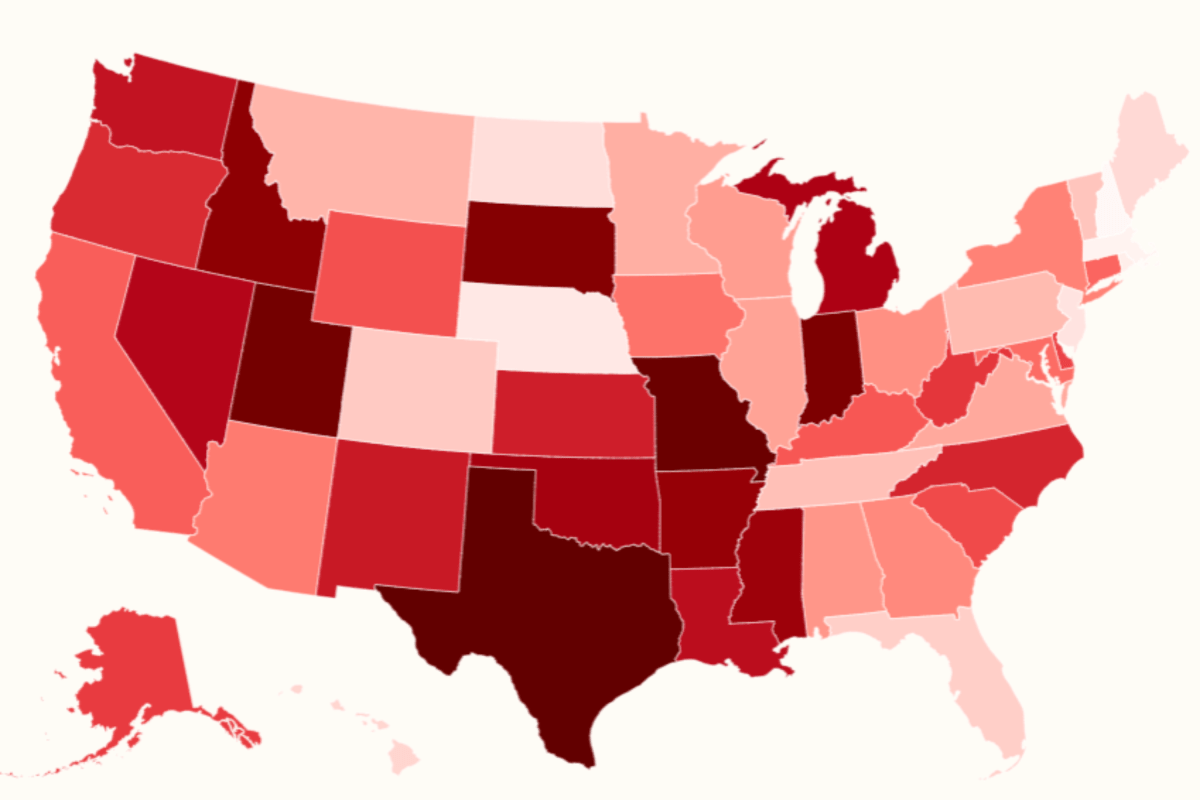
Newsweekhas compiled that data into a map to reveal the states with the worst child dental health
…
Where Are Childhood Cavities Most Common?
Texas topped the rankings, with 18.6 percent of children reported to have experienced chronic or frequent tooth decay problems
Missouri followed at 17.8 percent, while Utah ranked third at 15.4 percent
Indiana (15.3 percent) and South Dakota (15.2 percent) rounded out the five states with the highest prevalence of childhood tooth decay. Idaho (15 percent), Arkansas and <a href="https://healthylife7.com/mississippi-health-officer-addresses-trump-order-on-childhood-vaccines/” title=”Mississippi health officer addresses Trump order on childhood vaccines”>Mississippi (14.9 percent each), Oklahoma (14.3 percent), and Michigan (14.2 percent) completed the top 10
Which States Have the Best Children’s Dental Health?
At the opposite end of the rankings, New Hampshire and Massachusetts tied for the lowest rate of childhood tooth decay at just 8 percent, less than half the rate recorded in Texas
Rhode Island ranked next at 8.8 percent, followed by Nebraska at 9.2 percent and New Jersey at 9.6 percent
North Dakota and Maine each reported rates of 9.7 percent, while Hawaii and Florida both came in at 9.9 percent
…
Why Dental Health Matters
Untreated cavities can cause pain, difficulty eating and sleeping, missed school days, and infections that may require emergency treatment
The CDC describes cavities as one of the most common chronic diseases of childhood, despite the fact that many cases can be prevented through regular dental visits, fluoride exposure and good oral hygiene habits
Dr. John Poczatek, chief dental officer at Smile Partners USA, said in an email shared with Newsweekthat several factors tend to drive differences in childhood tooth decay rates
“Tooth decay in children usually comes down to a handful of factors, such as diet and sugar intake, how often families are able to get their kids to a dentist, whether their tap water has fluoride in it, as well as everyday habits such as brushing,” Poczatek said
He noted that parents can still take steps to reduce their children’s risk
“The good news is there’s a lot parents can do regardless,” Poczatek said. “Brushing twice a day with fluoride toothpaste, cutting back on sugary snacks and juice, and keeping up with regular checkups can make a real difference.”
Request Reprint & Licensing
View Editorial & AI Guidelines
