


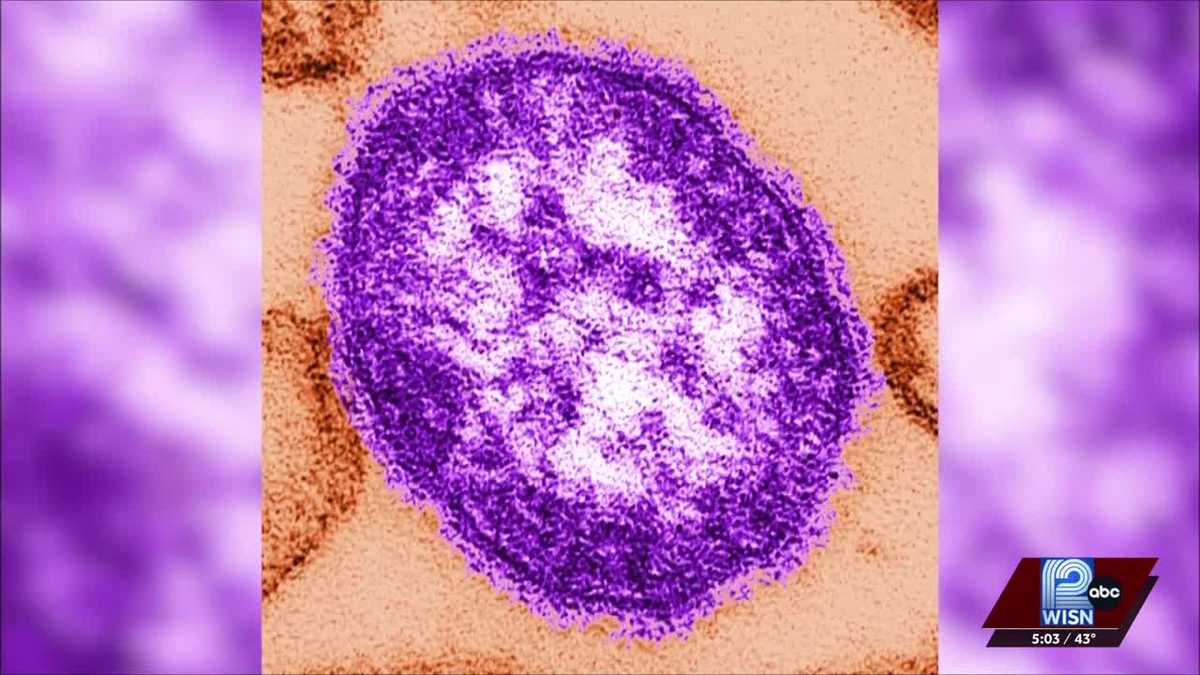
Measles cases surge to 15 in Iowa and Lafayette counties as Wisconsin warns of more spread
Measles cases in two Wisconsin counties have surged, and officials warn more infections may be spreading undetected
Advertisement
<img src="https://healthylife7.com/wp-content/uploads/2026/08/wisn.png” alt=”WISN branding logo”>
Updated: 12:50 PM CDT Aug 13, 2026Editorial Standards ⓘ
Matt Sinn
News Director
Measles cases surge to 15 in Iowa and Lafayette counties as Wisconsin warns of more spread
Measles cases in two Wisconsin counties have surged, and officials warn more infections may be spreading undetected
Updated: 12:50 PM CDT Aug 13, 2026Editorial Standards ⓘ
Matt Sinn
News Director
MADISON, Wis. —
Wisconsin health officials are reporting a sharp increase in measles cases in Iowa and Lafayette counties, with 15 confirmed infections and six probable cases identified as of Thursday morning
The Wisconsin Department of Health Services, or DHS, had announced two cases in the counties on Aug. 11 — one involving an Iowa County resident and the other involving a Lafayette County resident. Testing was conducted by the Wisconsin State Laboratory of Hygiene
Advertisement
Those infections were initially identified as Wisconsin’s third and fourth confirmed measles cases of 2026. Officials said they were not connected to two cases confirmed in Madison in February
The Iowa and Lafayette county residents were believed to have been exposed to measles in Wisconsin, raising concerns that additional infections could be circulating undetected. Some people who become ill do not seek medical care or undergo testing, meaning public health agencies may not learn of every case
State and local health officials are working to identify and notify people who may have been exposed. DHS has not identified any public exposure locations connected to the cases
Measles is a highly contagious disease that spreads through the air when an infected person coughs or sneezes. The virus can remain in the air for as long as two hours after an infected person leaves an area
Symptoms generally appear 10 to 21 days after exposure and may include a runny nose, fatigue, cough, red or watery eyes and a high fever that can exceed 104 degrees. A red, raised rash typically begins at the hairline and spreads to the arms and legs three to five days after other symptoms begin
Anyone experiencing symptoms should remain home and avoid work, school, stores, public transportation and social gatherings, health officials said. People should call a doctor’s office or clinic before arriving so staff can take precautions to protect other patients
Two doses of the measles, mumps and rubella vaccine are 97% effective at preventing measles
Residents can check their vaccination records through the Wisconsin Immunization Registry or contact a health care provider or local health department
Unvaccinated people can receive the MMR vaccine from a health care provider, clinic or pharmacy. Free, confidential assistance finding a provider is available by calling 211
Make WISN a preferred source on Google
Add Preferred Source
