


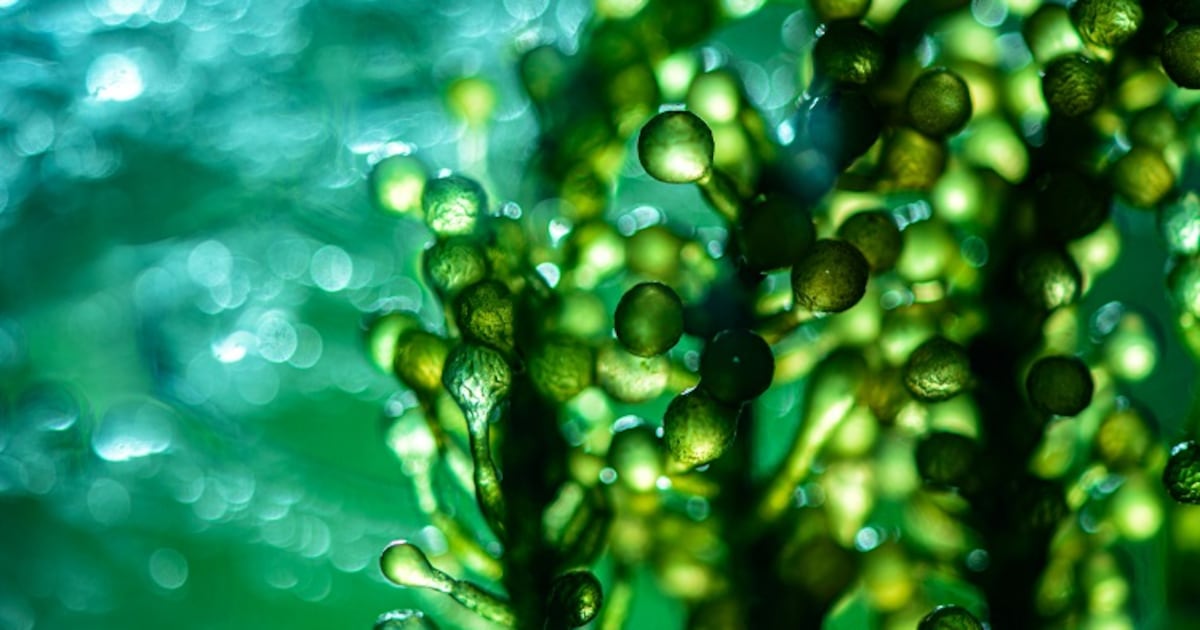
Researchers in South Korea reported positive results after testing Haematococcus plu in muscle cells and mice to see whether it reduced oxidative stress, improved mitochondrial function, increased <a href="https://healthylife7.com/us-army-royal-brunei-land-forces-kick-off-exercise-pahlawan-warrior-26/” title=”US Army, Royal Brunei Land Forces kick off Exercise Pahlawan Warrior 26″>exercise performance, and reduced fatigue through specific pathways
“YHC-T-2414 may have potential as a natural functional ingredient for allehom were employed by Yuhan Care Co., the supplier behind the ingredient used in the study
Fatigue is characterized by physical and mental exhaustion caused by prolonged exercise and daily stress. One cause of fatigue is oxidative stress, which happens when too many reactive oxygen species (ROS) build up and damage muscles and mitochondria, reducing energy production
AMP-activated protein kinase (AMPK) helps cells manage energy and protect themselves from ROS, activating the NRF2-KEAP1 pathway, which increases antioxidant protection, and the SIRT1-PGC-1α pathway, which improves mitochondrial function and energy production
H. plu studies suggest that it can reduce fatigue. However, the researchers in the current study noted that most studies have focused on pure astaxanthin rather than the whole H. plu
H. pluoids like lutein, β-carotene, zeaxanthin, canthaxanthin and violaxanthin, as well as fatty acids, proteins, amino acids, carbohydrates, and polysaccharides, which the researchers suggest may work together to provide stronger and broader antioxidant and anti-fatigue effects than astaxanthin alone
The researchers prepared YHC-T-2414 from dried H. plucontained about 100 mg of astaxanthin per gram)
They tested the extract in muscle cells to make sure it was not toxic, then exposed the cells to H₂O₂ to create oxidative stress and tested whether YHC-T-2414 could protect them, measuring cell damage, antioxidant activity, ROS levels, and proteins involved in the AMPK pathways using different laboratory tests
They also tested the extract in 40 male mice divided into four groups: untreated control, creatine, and two YHC-T-2414 doses (12.5 and 25 mg/kg/day). The mice received the treatments daily for 21 days
The researchers then performed a weight-loaded swimming test to measure how long the mice could swim before exhaustion. Finally, they collected blood and muscle samples to measure LDH, CK, lactate, MDA, inflammatory markers, and other fatigue-related indicators
In cell tests, YHC-T-2414 protected muscle cells from oxidative damage. It did not harm normal C2C12 muscle cells and protected them from H₂O₂-induced damage. It also reduced LDH and CK, which are markers of muscle damage. The extract showed antioxidant activity and reduced ROS levels by approximately 55% at the highest dose tested
YHC-T-2414 also activated AMPK in stressed muscle cells, helped the cells increase their antioxidant defenses, reduce harmful ROS, and protect them from oxidative damage. YHC-T-2414 was also found to activate the SIRT1-PGC-1α pathway, which potentially helped the cells make and maintain healthy mitochondria
“These findings suggest that the potential anti-fatigue effects of YHC-T-2414 may be associated with modulation of the AMPK-NRF2-KEAP1 pathway involved in antioxidant defense and the AMPK-SIRT1-PGC-1α pathway associated with mitochondrial biogenesis,” the researchers wrote
However, they noted that as they only tested these pathways in muscle cells and further research is needed to confirm the same effects in animal muscle tissue
Results from the mouse experiments found that after 21 days of treatment, those given YHC-T-2414 swam for much longer before becoming exhausted, with the 25 mg/kg dose producing the greatest improvement. The supplement also lowered blood lactate, CK, and LDH, which the authors noted suggested less muscle stress and fatigue. It also reduced MDA, a marker of oxidative stress, and the higher dose also reduced the inflammatory markers TNF-α and IL-6
“Overall, YHC-T-2414 may alle mitochondrial biogenesis-related signaling pathways,” the researchers concluded
They added that the results provide “mechanistic evidence for the anti-fatigue activity of the whole H. plu.”
Further studies are needed to confirm whether these signaling pathways are similarly regulated in skeletal muscle following YHC-T-2414 administration, they concluded
tococcus pluy promoting antioxidant defense and mitochondrial biogenesis.” Authors: Jeong, J. et al
