


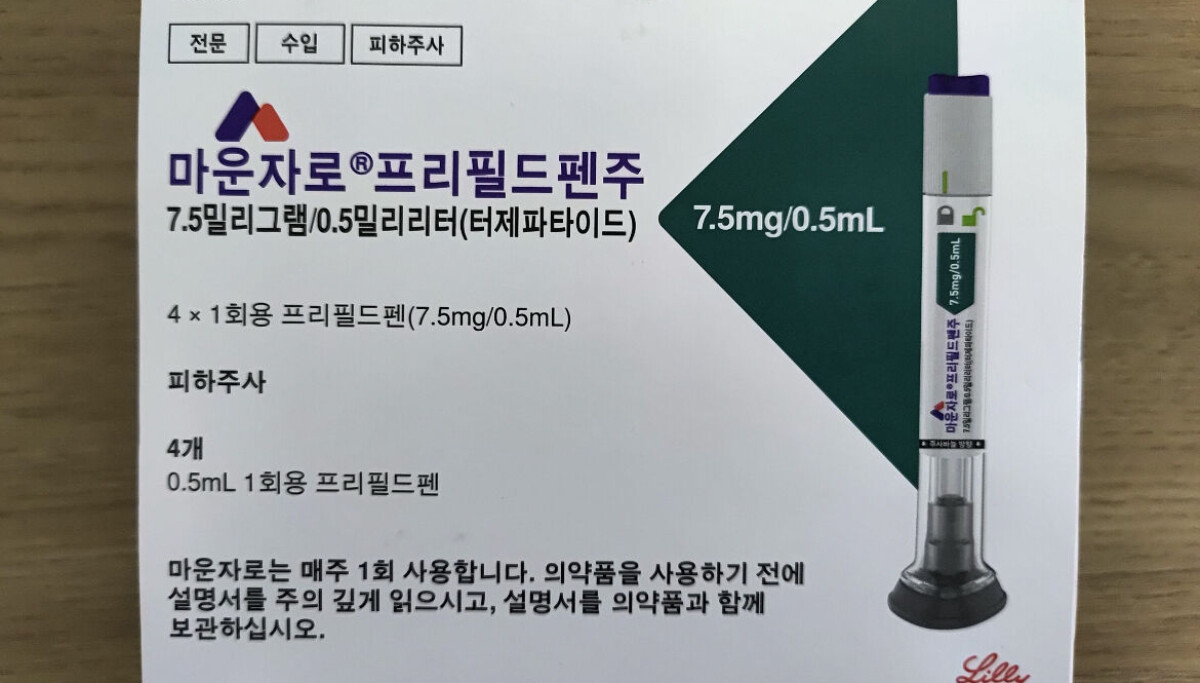
Cumulative prescriptions for the obesity drug Mounjaro have topped 1.5 million just 10 months after its launch in Korea. More than half of patients prescribed the drug were in their 20s and 30s, and prescriptions for teenagers have also risen sharply this year, reviving concerns about misuse and overuse
Mounjaro, launched in Korea in August of last year, was prescribed a total of 1,501,161 times over the 10 months through May of this year, <a href="https://healthylife7.com/the-no-1-plant-based-protein-for-gut-health-according-to-a-dietitian/” title=”The No. 1 Plant-Based Protein for Gut Health, According to a Dietitian”>according to Drug Utilization Review (DUR) data obtained from the Health Insurance Review and Assessment Service by Rep. Han Ji-a of the People Power Party on Wednesday.
The figure reflects cases in which medical institutions completed DUR checks to prevent duplicate prescriptions. Because Mounjaro and Wegovy are not covered by national health insurance, actual prescription volumes are difficult to tally directly, so prescription trends are tracked through DUR check data instead
Related Article
Human drug breakthroughs find new life in pet medicine
In race to lower adult obesity rate, Seoul drops to front of pack on walking, health infrastructure
Lose both weight and the risk of seizure? One study says Wegovy can help diabetes patients
Mounjaro prescriptions grew rapidly from the launch. Monthly prescriptions, which stood at 18,579 in August 2025, rose to 273,140 by May 2026 — a roughly 14.7-fold increase in 10 months
That growth has allowed Mounjaro to overtake the cumulative prescription volume of Wegovy, which launched in Korea about 10 months earlier. Wegovy was prescribed a total of 1,228,867 times between its October 2024 launch and May of this year
Prescriptions for teenagers have also risen steadily. Monthly prescriptions numbered just 82 in the first month after launch but surpassed 1,000 for the first time in December of last year. Prescriptions rose from 1,739 in January of this year to 2,594 in May — an increase of about 1.5-fold within this year alone
Wegovy also showed a high share of use among younger patients, with 46.4 percent of its cumulative prescriptions going to patients in their 20s and 30s
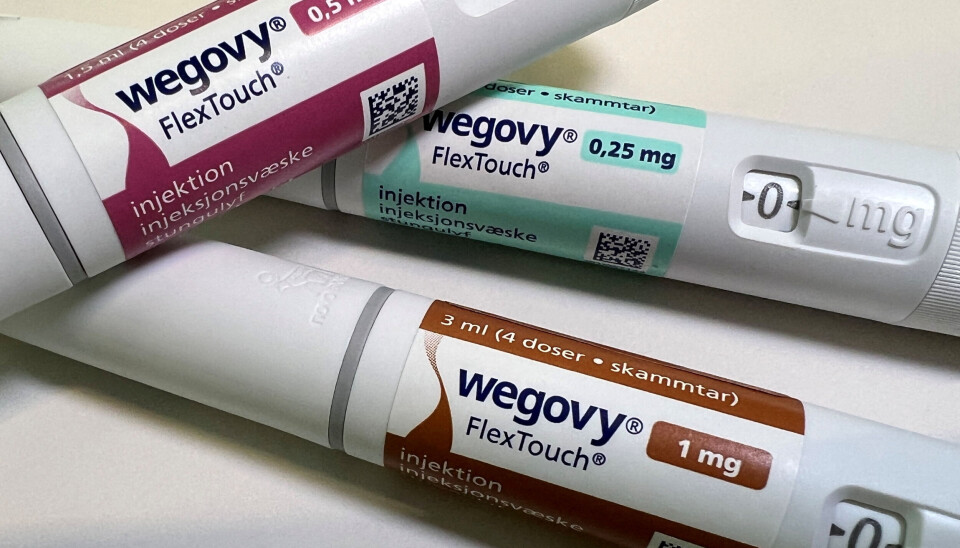
The medical community has repeatedly warned about the potential for misuse and overuse of glucagon-like peptide-1 (GLP-1) obesity drugs. Drugs meant for treating diabetes or severe obesity are increasingly being viewed simply as dieting aids, driving a rise in prescriptions for cosmetic purposes. Concerns have been raised that a considerable number of unnecessary prescriptions are being issued, particularly among younger patients
The government is also considering designating GLP-1 obesity drugs such as Wegovy and Mounjaro as “drugs of concern for misuse and overuse.”
“Even though Mounjaro prescriptions have exceeded 1.5 million just 10 months after launch, the government’s response has amounted to nothing more than attaching a warning label about misuse and overuse concerns,” said Han. “While patients’ access to treatment should be guaranteed, GLP-1 obesity drug management needs to shift from a ‘distribution management’ approach to a ‘prescription management’ approach using DUR, in order to prevent misuse among teenagers and for cosmetic purposes.”
BY HAN YOUNG-HYE [lee.jian@joongang.co.kr]
