


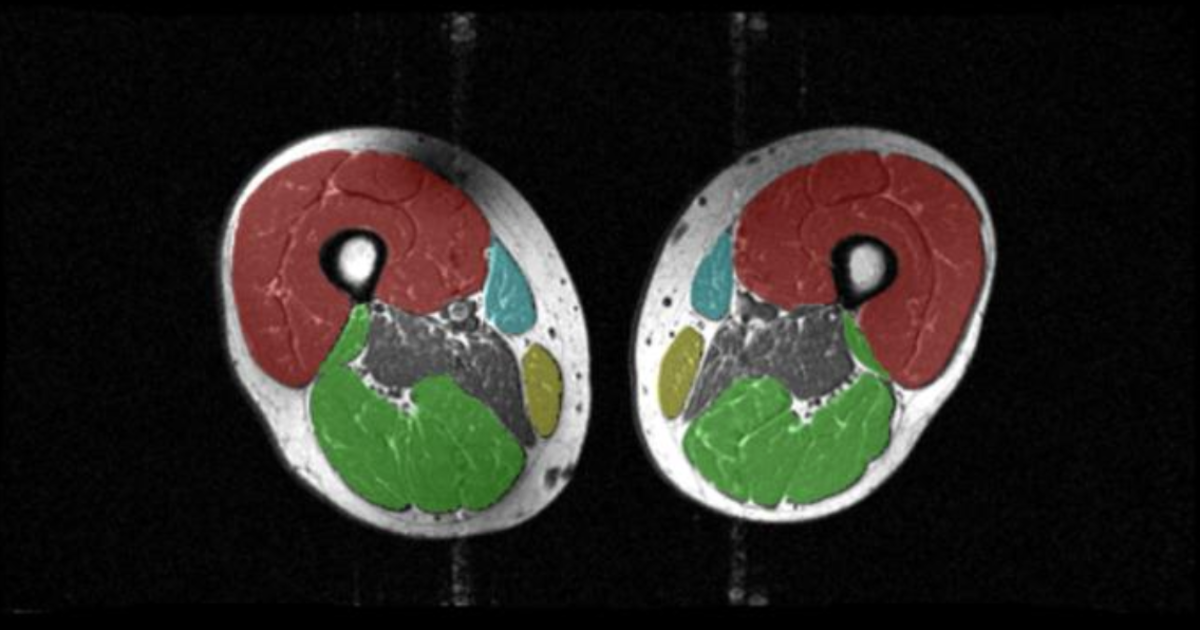
MRI <a href="https://healthylife7.com/edawn-reveals-healthy-new-lifestyle-on-i-live-alone/” title=”E'Dawn reveals healthy new lifestyle on 'I Live Alone'”>reveals muscle loss related to weight fluctuations
Hannah Murphy|July 22, 2026|Radiology Business|Magnetic Resonance Imaging
New research published in Radiology details the impact of yo-yo dieting on muscle health, highlighting the role of imaging in assessing the broader effects of weight fluctuations.
The research comes as the growing use of GLP-1 weight loss medications has intensified in recent years, prompting concern among health experts about the loss of muscle mass in some users.
“We need to better understand how weight loss affects the body in ways that aren’t about the number on the scale,” senior study author Thomas Link, MD, PhD, professor of radiology at the University of California, San Francisco, said in a news release on the findings. “Fat loss is just one piece of a much larger puzzle that includes how weight loss affects arthritis, muscle, bone, and other factors,” Link added. “As more people use effective weight-loss therapies, we need to be thinking about how those pieces fit together.”
The study examined MRI scans and clinical data from more than 1,400 middle-aged participants enrolled in the National Institutes of Health-funded Osteoarthritis Initiative. Using AI to quantify thigh muscle volume, intramuscular fat and fat surrounding the knee, investigators compared individuals whose weight remained relatively stable over four years with those who experienced repeated weight fluctuations.
This revealed a common pattern among yo-yo dieters—they experienced nearly four times more thigh muscle loss compared to those whose weight remained stable. This finding was consistent in the fluctuating group, despite both cohorts finishing the study at approximately the same baseline weight. Weight cyclers lost about 3.7% of thigh muscle volume over four years compared with roughly 1% among noncyclers, even after adjusting for age, sex, body mass index, physical activity, diet and other health factors.
“When people’s weight cycled, they lost tremendous amounts of muscle along with the fat, and they didn’t gain the muscle back,” Link noted. “This tells us that understanding how to protect muscle while people are losing weight is important for overall health.”
Hannah Murphy, Editor
In addition to her background in journalism, Hannah also has patient-facing experience in clinical settings, having spent more than 12 years working as a registered rad tech. She began covering the medical imaging industry for Innovate Healthcare in 2021
