


Neurologist explains stroke warning signs and importance of acting fast | Herald Community Newspapers | www.liherald.com
Skip to main content
Home
Amityville
Babylon
Baldwin
Bellmore
East Meadow
East Rockaway
Elmont
Five Towns
Franklin Square
Freeport
Glen Cove
Glen Head
Hempstead
Island Park
Long Beach
Lynbrook
Malverne
<a href="https://www.massapequapost.com” rel=”nofollow noopener” target=”_blank”>Massapequa
Merrick
Oceanside
Oyster Bay
Rockville Centre
Sea Cliff
Seaford
Uniondale
Valley Stream
Wantagh
West Hempstead
Digital Editions
Neurologist explains stroke warning signs and importance of acting fast
Posted
Friday,July 31, 202611:56 am
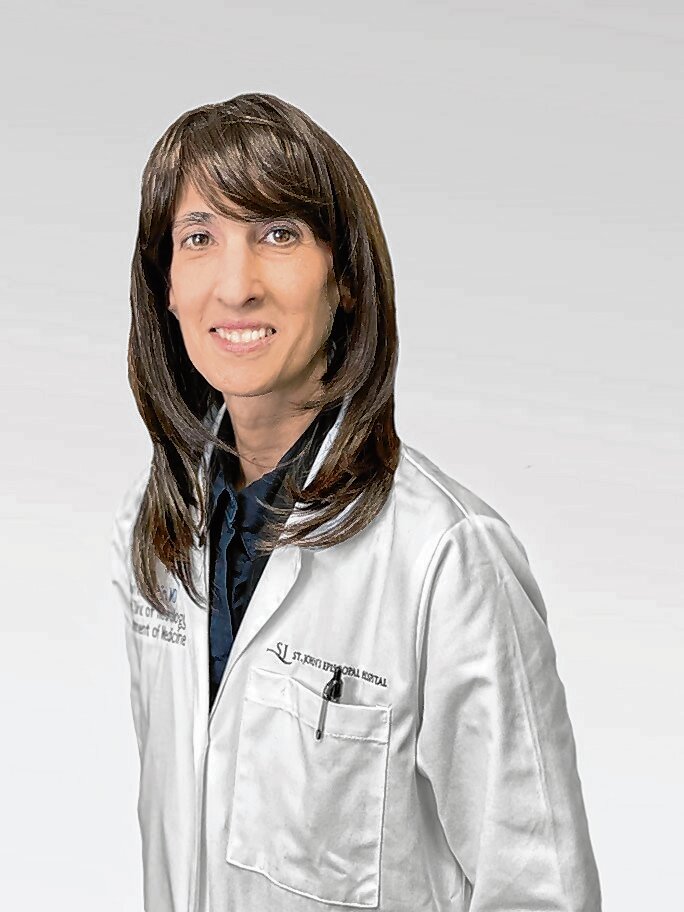
Aviva Lubin, chief of neurology and stroke program <a href="https://healthylife7.com/former-pandemic-era-health-chief-to-return-as-st-louis-health-director/” title=”Former pandemic-era health chief to return as St. Louis health director”>director at Episcopal Health Services
Courtesy Episcopal Health Services
By Kayla Dechter
Q: Tell me about yourself
Lubin: “I’ve been practicing neurology and specializing in stroke care since the mid-2000s,” Lubin said. “I’m board-certified in both neurology and vascular neurology, which focuses specifically on stroke. Before joining Episcopal Health Services five years ago as chief of neurology and stroke program director, Lubin served as associate stroke director at Lenox Hill Hospital in Manhattan. “I live in the Five Towns, so caring for patients in my own community is especially meaningful,” she said. “Having a short commute also means I’m able to get to the hospital quickly when patients need urgent stroke care. It’s rewarding to provide specialized care close to home and continue treating patients throughout their recovery.”
Q:What are the most common warning signs of a stroke?
Lubin: Stroke occurs when a blood vessel supplying the brain becomes blocked, preventing oxygen-rich blood from reaching brain tissue. The most common symptoms are sudden weakness or numbness on one side of the body, difficulty speaking or understanding speech, and vision changes such as double vision or sudden vision loss. “A severe headache can also be a warning sign,” Lubin said. “Sometimes that indicates bleeding in the brain rather than a blocked blood vessel.”
Q:Many people know the acronym FAST. Has that changed?
Lubin: Lubin said health professionals now encourage people to remember BE FAST, which helps identify a wider range of stroke symptoms. The letters stand for Balance, Eyes, Face, Arm, Speech and Time. “The addition of balance and eyes helps recognize strokes affecting the back of the brain that might otherwise be missed,” she explained. “Time is especially important because stroke treatment begins from the moment symptoms first appear—not when someone arrives at the hospital.” She noted that clot-busting medications are only effective within a limited treatment window, making immediate medical attention critical.
Q:Who is most at risk for having a stroke?
Lubin: While stroke risk increases with age, Lubin said several medical conditions significantly raise the likelihood of experiencing one. These include atrial fibrillation, high blood pressure, high cholesterol, diabetes, heart disease and obstructive sleep apnea. “Atrial fibrillation is one of the strongest risk factors because blood clots can form in the heart and travel to the brain,” she said. She added that some racial and ethnic groups, including non-Hispanic African Americans, have higher stroke risks, making prevention and regular medical care especially important.
Q:What can people do to lower their stroke risk?
Lubin:Managing chronic medical conditions is one of the most effective ways to prevent stroke, Lubin said. That includes controlling blood pressure, cholesterol and diabetes, treating sleep apnea and following medical advice for heart conditions. She also emphasized establishing care with a primary care physician instead of relying solely on urgent care centers. “It’s important to have someone who knows your medical history and helps manage your chronic conditions,” she said
Q:Anything else to add?
Lubin: Recognizing stroke symptoms isn’t just the responsibility of the person having them. “Many times, it’s a family member, friend or even a stranger who notices something is wrong,” she said, recalling a case in which students recognized their teacher’s speech difficulties and called 911. “If you notice someone’s face looks uneven, they’re dragging a leg or they’re not making sense when they speak, say something and call for help,” Lubin said. “Recognizing the signs and acting immediately can change someone’s life.” She added that Episcopal Health Services is a Joint Commission-certified Primary Stroke Center, providing comprehensive stroke care close to home for residents of the Rockaways and Five Towns communities.
