


Payment reform aids primary healthcare – Chinadaily.com.cn
Payment reform aids primary healthcare
Measure to ease pressure on tertiary hospitals treating common ailments
By LI HONGYANG |
China Daily |
Updated: 2026-08-18 09:12


Share – WeChat
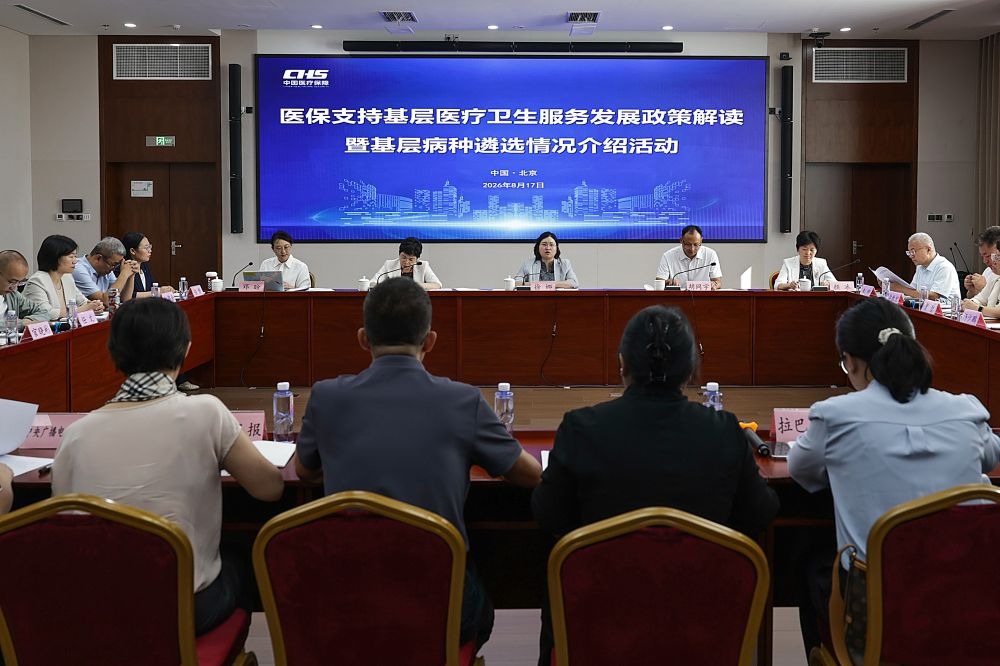
The National Healthcare Security Administration said on Monday that the first batch of conditions suitable for primary care have been selected as part of a medical insurance payment reform aimed at encouraging patients with common and chronic illnesses to seek care at grassroots hospitals
The reform’s core policy is “same disease, same payment”. Within a local insurance pooling area, a primary-level disease type, such as hypertension or diabetes, will carry the same payment standard regardless of the level of hospital treating it
However, a similar insurance payment standard does not mean the same out-of-pocket cost for patients. This is largely because primary-level hospitals generally have lower deductibles and higher reimbursement rates, so patients can pay less when they choose a grassroots facility
The system is designed not to restrict patients’ choices, but to encourage them to seek primary care through payment leverage, according to the administration
Xu Na, deputy director of the administration’s medical services management department, said primary care conditions are common and frequently occurring diseases, as well as some chronic conditions, that are suitable for treatment at qualified secondary and lower-level medical institutions. Such institutions should have sufficient capacity and mature clinical expertise to treat these conditions
The reform aims to promote tiered diagnosis and treatment, make medical care more convenient, curb overtreatment and ensure the safe and efficient use of medical insurance funds, said Ren Jing, a researcher at the China National Health Development Research Center
Ren said the policy targets a long-standing mismatch between supply and demand in China’s healthcare system
“Large numbers of patients with common and frequently occurring diseases that could be safely and effectively handled at the grassroots level have flowed to high-level urban hospitals because of doubts about grassroots capacity,” she said
As a result, outpatient and inpatient reilments, leaving less capacity for complex and critical cases. At the same time, primary-level institutions miss opportunities to gain valuable experience and improve their services. For patients, seeking treatment for minor illnesses can result in long-distance travels and longer waiting periods, Ren said
While primary healthcare has been steadily strengthened, challenges remain
This requires further improvement of the quality of primary healthcare, while simultaneous efforts are made to raise public awareness of its role and functions. Establishing an orderly pattern in which common and frequently occurring diseases are first treated at the primary level will require sustained and coordinated efforts from all departments, she said
Regarding implementation, the administration said provincial pooling areas should not simply copy the national recommendations. Instead, they are expected to draw up their own primary-level disease types based on local disease patterns and the service capacity of primary-level institutions
“Pooling areas can include common and chronic conditions they can genuinely handle, and exclude conditions for which local grassroots institutions do not yet have diagnostic or treatment capabilities,” Ren said
Xu said localities may refer to the national recommendations and adjust them according to local conditions. The administration pledged to guide local authorities in refining their primary-level disease types after the first batch is formally issued
The administration also stressed that the types of conditions suitable for primary care is a payment management tool, rather than a rule governing which hospitals can treat particular diseases
The recommendation does not affect a hospital’s right to decide whether to admit patients, nor does it restrict patients from choosing a preferred medical facility
Photo
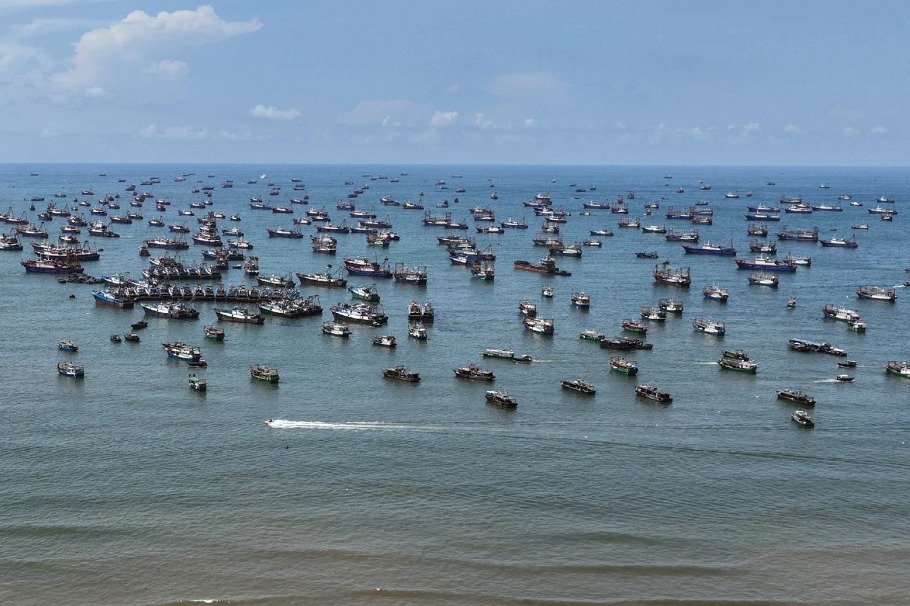 Fishing season of South China Sea kicks off
 500 Russian tourists join panda birthday celebration in Hainan
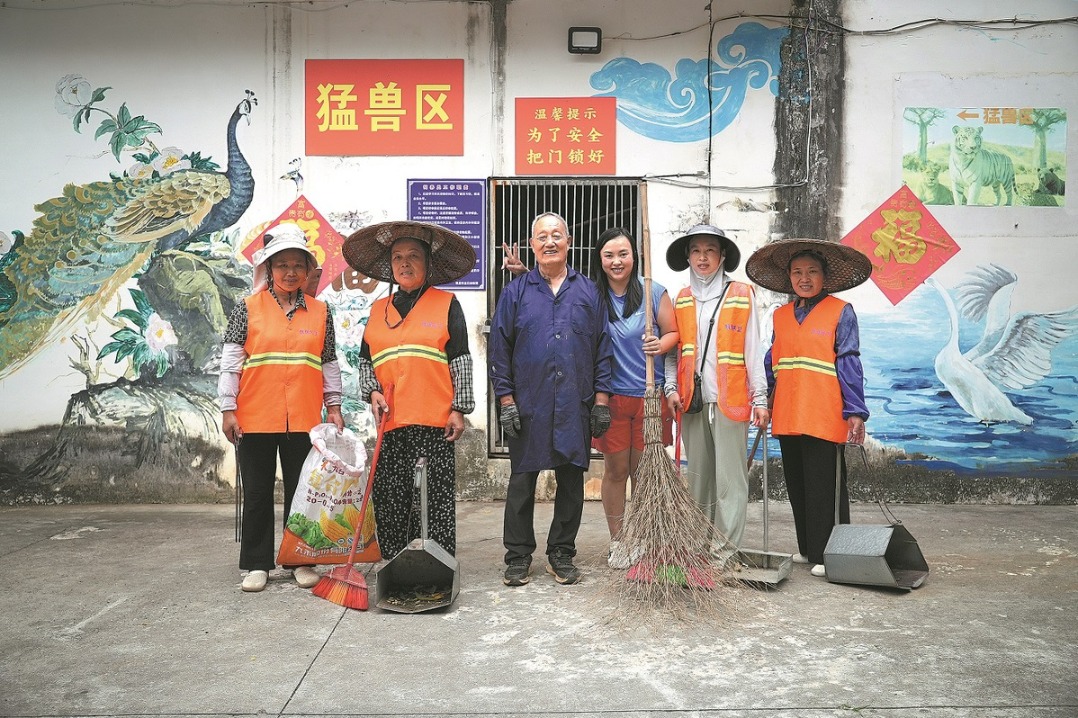 Retired school principal saves tiny zoo from extinction
 Social media exposure boosts China’s waterfall town visits
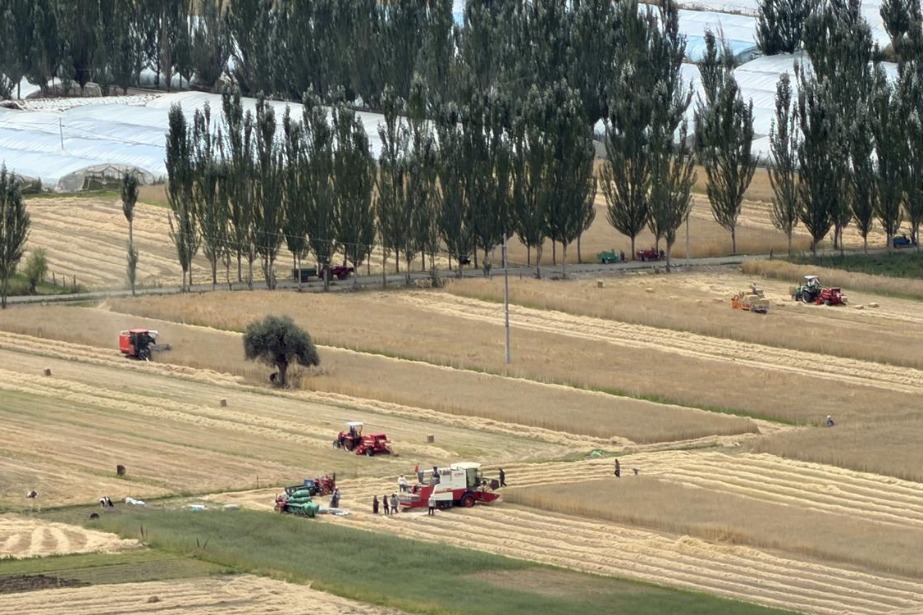 Xizang barley farmers take advantage of new technology
 Misty rice terraces of Hunan prove popular with visitors
Latest
State Council News

Xi extends condolences to Indonesian president over strong earthquake
A look at China’s economy in H1 of 2026

Chinese premier stresses fulfilling full-year development targets
Exclusive
 National Ecology Day: Charting China’s ecological progress
 Taiwan investor helps cross-Strait startups thrive in Beijing
 Taiwan youth putting down roots in Daliang Mountains
Newsmaker
Designing 12306 platform’s ticket to success
Retired school principal saves tiny zoo from extinction
Special Coverage
 105th founding anniv. of the CPC
 75th anniv. of Xizang’s peaceful liberation
BACK TO THE TOP
English
中文


Copyright 1994 – . All rights reserved. The content (including but not limited to text, photo, multimedia information, etc) published in this site belongs to China Daily Information Co (CDIC). Without written authorization from CDIC, such content shall not be republished or used in any form. Note: Browsers with 1024*768 or higher resolution are suggested for this site.
License for publishing multimedia online 0108263
Registration Number: 130349 
About China Daily
Advertise on Site
Contact Us
Job Offer
Expat Employment
FOLLOW US


