


Psychedelic drug candidate could boost mental health while preserving gut health
VCU researchers are exploring psychedelic-inspired treatment for psychiatric disorders that avoids gastrointestinal side effects.
Share this story
By Olivia Trani
Psychedelic drugs show promise for treating a range of mental health conditions, but they often carry physical side effects such as nausea, vomiting and diarrhea. Researchers at Virginia Commonwealth University have developed a psychedelic drug candidate that could retain the therapeutic benefits while minimizing the downside
Psychedelics like psilocybin and LSD are best known for their ability to alter a person’s mental state, and such drugs are increasingly being explored to treat post-traumatic stress disorder, depression, anxiety and addiction. The VCU team’s latest study showed that by selectively targeting certain brain receptors, the compound they developed showed promising preclinical results in reducing depressive and anxiety-like behavior without causing gastrointestinal side effects
The findings, published July 21 in the journal Science Signaling, could open new possibilities for developing safer, more effective therapies for psychiatric disorders and potentially other health conditions
“While current medications for depression and other conditions can take several weeks of administration until the therapy takes effect, clinical studies have shown that psychedelics may require fewer doses to achieve a greater effect,” said Javier González-Maeso, Ph.D., a professor in the Department of Pharmacology and Toxicology at the VCU School of Medicine. “While we are still in the preclinical stages of our research, the overarching goal is to create more options to help patients with their mental health.”
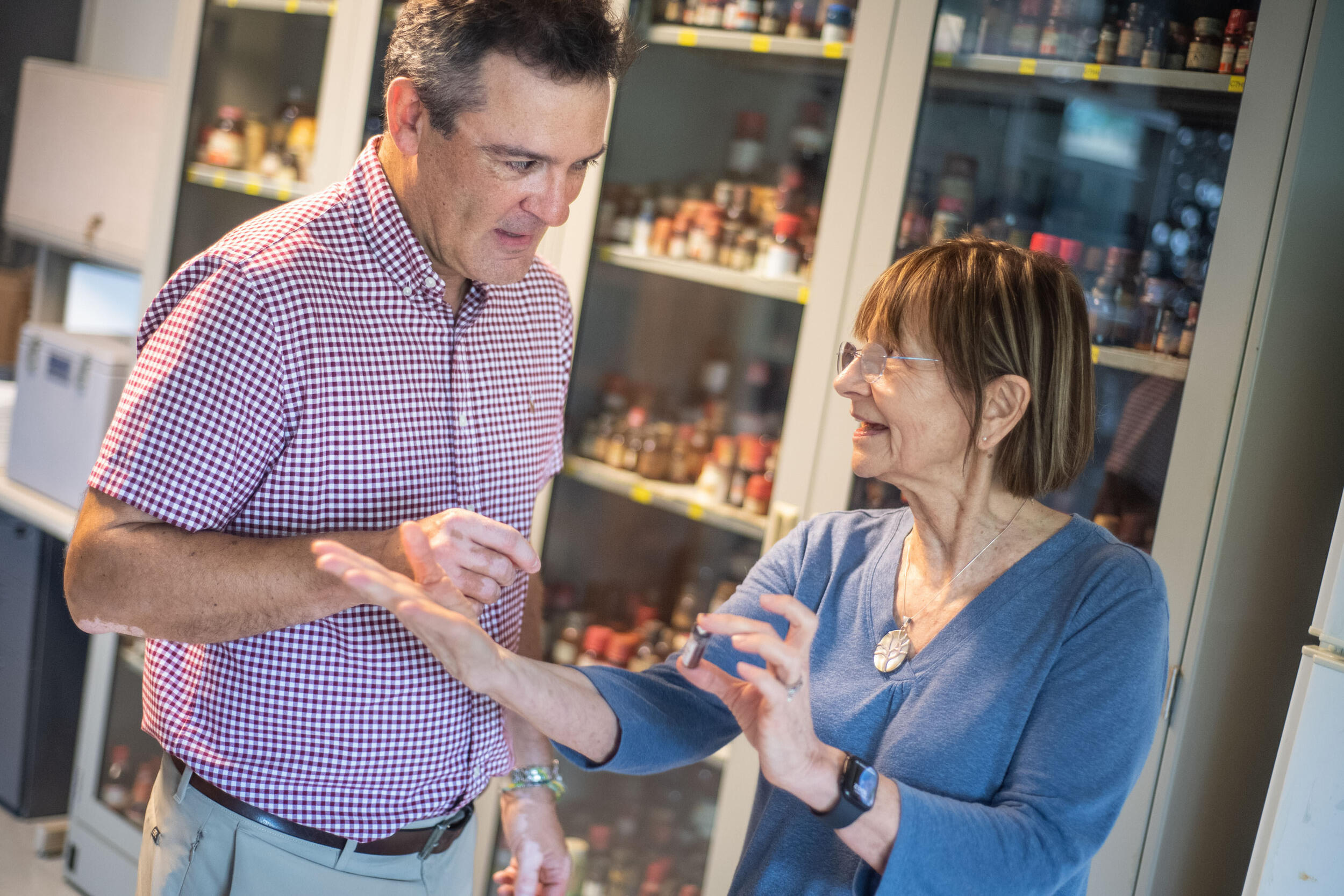
Malgorzata Dukat, Ph.D., a professor in the Department of Medicinal Chemistry at the School of Pharmacy, noted that the research incorporated the talents of multiple labs at VCU
“By pooling together our expertise on both medicinal chemistry and biological pharmacology, we were able to advance new drug discoveries that we hope will make an impact for future psychiatric therapy,” she said
Creating next-generation psychedelics
Psychedelics cause their hallucinogenic effects by binding to serotonin 2A receptors in the brain, where they play an important role in regulating mood and cognition. These receptors are also believed to be central to why psychedelics have therapeutic potential for treating mental health conditions
A downside is that all known psychedelics interact with other types of serotonin receptors, which sometimes lead to unwanted side effects like gastrointestinal issues.
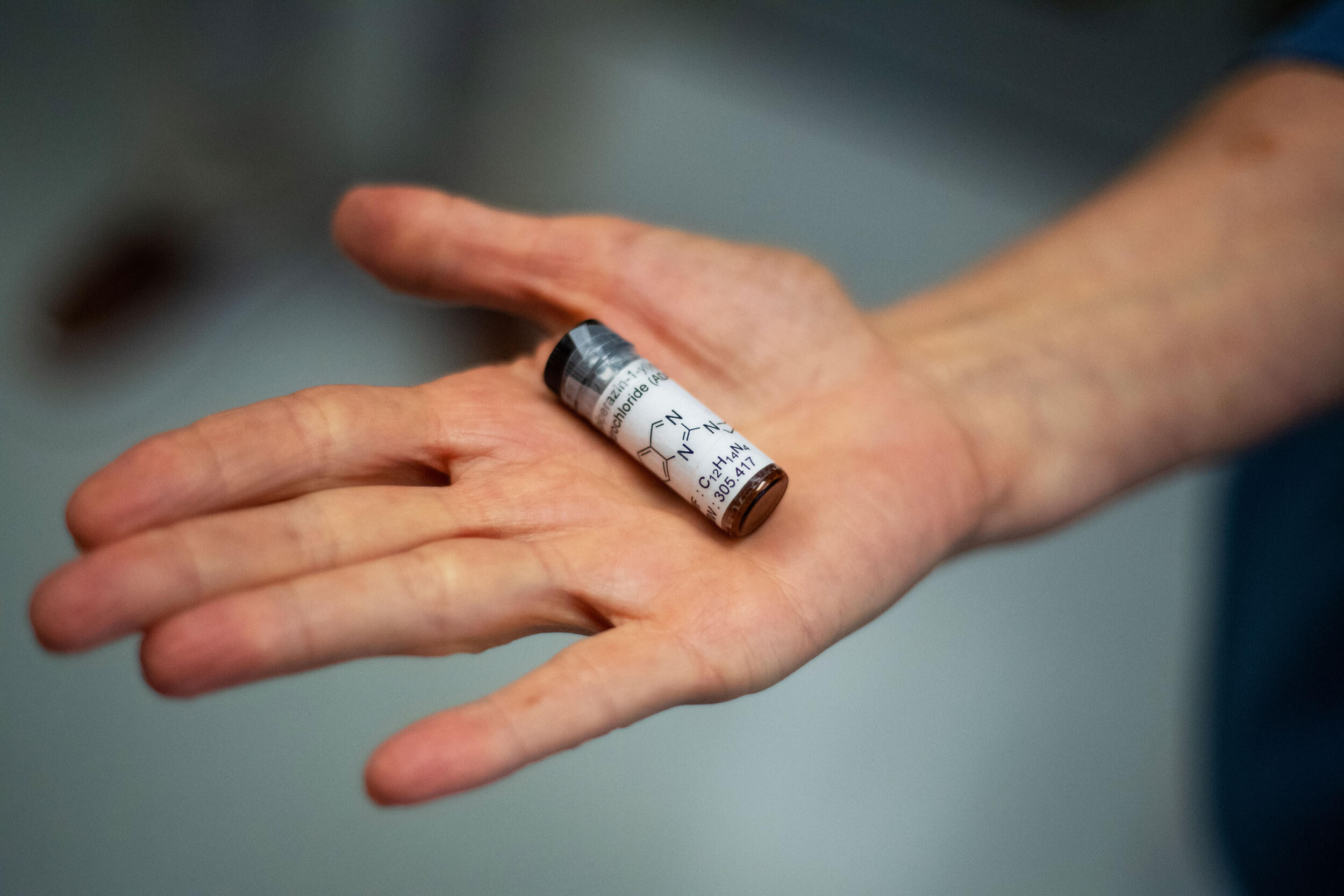
Led by Dukat and González-Maeso, a team of VCU researchers aimed to design a next-generation psychedelic-like compound that preserves the therapeutic effects while minimizing side effects
The team began by altering the structure of an existing psychedelic-like drug called quipazine. This compound is known to activate the therapeutic serotonin 2A receptors, but it also activates serotonin 3 receptors, which contributes to gastrointestinal side effects like nausea and vomiting
By chemically deconstructing and reconstructing quipazine, the researchers pinpointed which components were essential for activating serotonin 2A receptors and which ones could be modified to avoid activating the serotonin 3 receptors. They then created slightly modified versions of this compound to identify which model had the most improved interactions with beneficial serotonin receptors.
“It can be likened to rearranging a floral bouquet,” Dukat said. “You examine different flower positions and combinations to achieve your goal by removing undesirable features – a dead leaf, a wilted petal – and then adding new blossom features based on prior experience that should achieve the desired effect. With molecules, you can modify the structure to identify small tweaks that can suppress, amplify or modify certain actions.”
Through this process, the researchers developed a compound they called VCU-1012, which preserves the interactions with serotonin 2A receptors while avoiding serotonin 3 receptor activation
Measuring the mental health impact
To better understand the compound’s therapeutic potential, the research team conducted behavioral and biological tests using preclinical models. This included assessing VCU-1012’s impact on mobility, anxiety-like behavior, gastrointestinal activity and neurological activity
Their analyses showed that subjects given VCU-1012 were more likely to experience antidepressant-like benefits and have reduced anxiety-like behavior than those given a placebo. These effects persisted for at least 24 hours after VCU-1012 was administered, similar to what has been observed clinically for psychedelics
The researchers also found that subjects given VCU-1012 had an increased density of mature dendritic spines in their brain neurons, a neurological feature that is thought to contribute to the long-lasting therapeutic effects of psychedelics
“This is when neurons generate more spikes so that they can connect with each other more,” González-Maeso said. “It’s known that depression is associated with dendritic spine loss, while antidepressants and psychedelics can increase the density of these spines.”
Subjects given VCU-1012 did not experience the gastrointestinal side effects associated with quipazine, suggesting that this modified compound could be a safer and more tolerable therapeutic option compared with other psychedelic agents
Together, these findings suggest that VCU-1012 has potential for treating mental health conditions and provides guidance for future therapeutic drug development with psychedelics. The researchers say this compound and the drug design strategy may also help address other clinical needs, such as minimizing adverse side effects in cancer treatments
“A number of drugs used for chemotherapy cause unpleasant side effects, such as nausea, vomiting, depression and anxiety. Developing psychedelics that prevent serotonin 3 receptor activation could have significant implications for helping cancer patients going through chemotherapy,” Dukat said. “We are opening the door for other researchers looking to improve therapeutic treatments.”
