


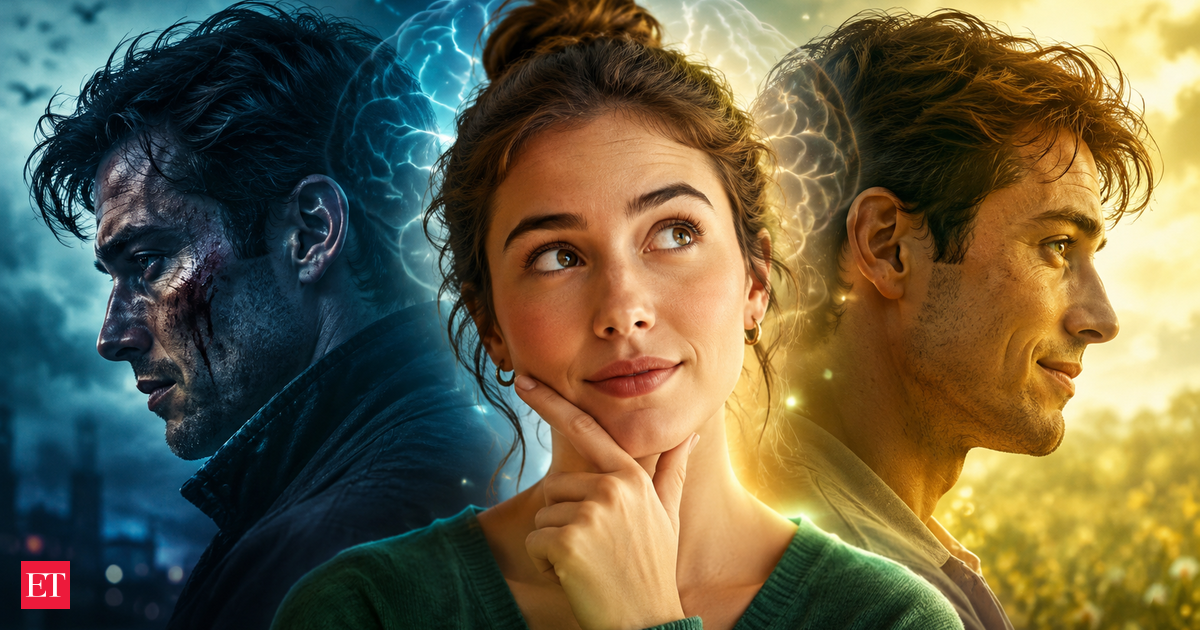
Almost every popular movie has one. A villain or morally gray character who divides audiences. While some viewers strongly condemn the character, others defend their actions, point out their difficult past, or argue that they were misunderstood.Psychology says this reaction is surprisingly common. Importantly, sympathizing with a fictional antagonist does not necessarily mean someone approves of harmful behavior in real life. Instead, researchers in media psychology and moral psychology suggest that compelling stories encourage audiences to understand different perspectives, even when they disagree with a character’s choices.Films often present villains with detailed backstories, emotional struggles, or understandable motivations. As a result, viewers may begin to see the person behind the actions rather than focusing only on the actions themselves.
Empathy allows us to understand different perspectives
One of the strongest explanations comes from Empathy Theory. Psychologists define empathy as the ability to understand another person’s emotions or point of view without necessarily agreeing with their behavior.For example, a movie might show a villain who experienced childhood neglect or betrayal. Viewers may acknowledge that these experiences help explain the character’s motivations while still believing that their later actions were wrong. Empathy helps people understand context, it does not require moral approval.You Might Also Like:

Psychology says people who leave cabinet doors open may not be as absent-minded, they may be experiencing attention shifts, and memory lapses
Stories temporarily immerse us in another person’s world
Researchers studying Narrative Transportation Theory have found that engaging stories can temporarily draw audiences into a character’s experiences. When viewers become deeply immersed in a film, they often begin seeing events through multiple perspectives.Imagine watching a movie that follows the antagonist for most of the story. Spending two hours inside that character’s world naturally increases understanding of their emotions, fears, and goals.This psychological immersion often increases sympathy.You Might Also Like:

Psychology says people who hate phone calls but reply instantly to texts may not be experiencing social anxiety
Moral complexity makes characters more realistic
Modern films increasingly feature morally complex characters instead of purely good or evil ones.According to research in Moral Psychology, people naturally evaluate behavior within context rather than relying only on simple labels.For example, audiences may recognize that a character made harmful decisions while also acknowledging moments of kindness, sacrifice, or regret.This balanced evaluation reflects sophisticated moral reasoning rather than blind support.
Attribution influences how people judge behavior
Attribution Theory, developed by psychologist Fritz Heider and expanded by Harold Kelley, explains how people interpret human behavior.When judging fictional characters, viewers often ask:
- What caused this behavior?
- Was it personality?
- Was it circumstances?
For example, someone may defend a character because they believe extreme life experiences shaped their decisions rather than believing the character was “born evil.” This tendency reflects the brain’s search for explanations.
Identification increases emotional connection
Media psychologists describe Character Identification as the process of temporarily imagining life from another person’s perspective.A viewer may identify with a character’s loneliness, ambition, rejection, or desire for acceptance—even if they reject the character’s harmful actions. For example, someone who has experienced social isolation might connect emotionally with an outsider character without supporting the destructive choices that follow.
People enjoy psychological complexity
According to Need for Cognition Theory, some individuals enjoy thinking deeply about complicated situations. Rather than dividing characters into “heroes” and “villains,” these viewers prefer exploring ethical gray areas.For example, after watching a film, they may enjoy discussing whether the antagonist could have made different choices or whether society contributed to the outcome. This curiosity reflects analytical thinking rather than moral agreement.
Fiction provides a safe space to explore difficult ideas
Psychologists note that fictional stories allow people to examine fear, revenge, justice, forgiveness, and morality without facing real-world consequences. Watching or discussing a villain becomes an opportunity to explore ethical questions safely.For example, debating whether a fictional character deserved redemption encourages reflection about justice and compassion rather than promoting harmful behavior.
Does liking a movie villain mean someone supports bad behavior?
No. Psychologists say understanding or sympathizing with a fictional character is different from approving harmful actions in real life.
Why do some villains become more popular than heroes?
Many villains are written with detailed motivations, emotional depth, and personal struggles that make them psychologically interesting.Add 
as a Reliable and Trusted News Source

Add Now!
(You can now subscribe to our Economic Times WhatsApp channel)
Read More News on
psychology of villainsunderstanding antagonistsmovie villainspsychological depth in cinemaempathy theory in films
(Catch all the US News, UK News, Canada News, International Breaking News Events, and Latest News Updates on The Economic Times.)
Download The Economic Times News App to get Daily International News Updates
…moreless
(You can now subscribe to our Economic Times WhatsApp channel)
Read More News on
psychology of villainsunderstanding antagonistsmovie villainspsychological depth in cinemaempathy theory in films
(Catch all the US News, UK News, Canada News, International Breaking News Events, and Latest News Updates on The Economic Times.)
Download The Economic Times News App to get Daily International News Updates
…moreless
