


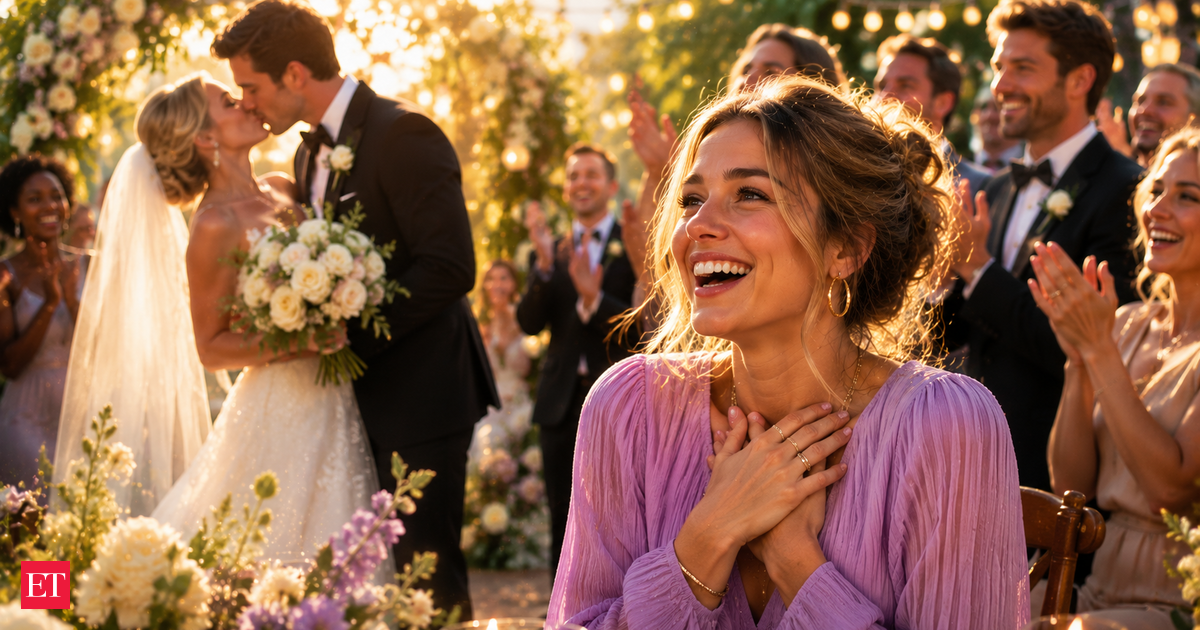
For some people, a wedding invitation is just another date to add to the calendar. For others, it feels like the highlight of the year. They eagerly shop for outfits, help plan celebrations, count down the days and become genuinely emotional when the couple exchanges vows. They might not even be getting married themselves, yet they celebrate with just as much enthusiasm. Psychology says this reaction is not simply about enjoying parties or dressing up. Instead, it often reflects several well-researched psychological processes related to empathy, emotional connection, shared joy and social belonging. Importantly, there is no scientific evidence that everyone who loves weddings shares the same personality. However, psychology offers valuable insights into why some people find so much happiness in celebrating another person’s milestone.
Shared joy can be just as powerful as personal happiness
One explanation comes from the concept of capitalization, introduced by psychologists Shelly Gable and Harry Reis. Capitalization refers to sharing positive events with others and responding enthusiastically to their good news.Research shows that celebrating someone else’s achievements can strengthen relationships and increase positive emotions for both people involved.For example, when a close friend announces their engagement, an enthusiastic response often deepens the friendship. Helping choose a wedding dress or planning a bridal shower becomes part of sharing that happiness rather than simply observing it.Psychologists suggest that people who naturally celebrate others’ successes often experience positive emotions themselves through this shared excitement.You Might Also Like:

Psychology says individuals who feel happy when a party is canceled don’t dislike people, they just like to stay in their comfort zone
Emotional contagion helps explain the excitement
Another important explanation is Emotional Contagion Theory, developed by researchers including psychologist Elaine Hatfield.Emotional contagion describes the tendency to “catch” the emotions of people around us. Weddings are filled with smiling faces, joyful music, heartfelt speeches and visible expressions of love, making them emotionally contagious environments.Imagine entering a wedding where family members are laughing, friends are dancing and the couple is visibly happy. Even guests who arrived feeling tired may gradually experience the same positive emotions simply by being surrounded by them.
Empathy allows people to celebrate another person’s happiness
Psychologists define empathy as the ability to understand and share another person’s emotional experience.You Might Also Like:

Psychology says women who’ve been through a lot in life often use these 8 heartbreaking phrases
According to empathy research by psychologist C. Daniel Batson, empathetic individuals often experience genuine happiness when people they care about achieve something meaningful.Someone may become emotional during a wedding ceremony not because they are thinking about themselves but because they are imagining how meaningful the moment is for the couple and their families.For instance, a friend who supported the couple through years of long-distance dating may feel deeply moved when they finally exchange vows because they appreciate the emotional journey behind the celebration.
Weddings satisfy the human need for belonging
According to Self-Determination Theory, developed by psychologists Edward Deci and Richard Ryan, one of our fundamental psychological needs is relatedness—the desire to feel connected to other people.Weddings naturally strengthen this feeling. They bring families together, reunite old friends and create opportunities for meaningful social interaction.Someone who enjoys weddings may not simply love ceremonies; they may value the sense of connection these events provide. For example, attending a cousin’s wedding may offer the rare opportunity to reconnect with relatives, childhood friends and loved ones who live far away, creating a powerful sense of belonging.
Positive emotions can inspire hope
Research by psychologist Barbara Fredrickson through the Broaden-and-Build Theory of Positive Emotions suggests that positive emotions expand people’s thinking and strengthen psychological resources.Witnessing love, commitment and celebration can inspire optimism about relationships, family and the future. Even people who are single may leave a wedding feeling hopeful after watching a joyful ceremony because positive emotional experiences often encourage broader, more optimistic thinking.This does not mean weddings create unrealistic expectations. Instead, they can remind people that meaningful relationships and supportive communities exist.
Personal memories also shape enthusiasm
Not everyone becomes equally excited about weddings because personal experiences influence emotional reactions. According to Associative Learning, first demonstrated through the work of Ivan Pavlov, repeated positive experiences create lasting emotional associations.Someone who grew up attending joyful family weddings filled with laughter, music and togetherness may continue looking forward to weddings throughout adulthood. Another person whose previous wedding experiences involved family conflict may feel much less enthusiastic.These learned associations help explain why wedding invitations evoke excitement in some people and indifference in others.People who become genuinely excited for other people’s weddings are often responding to a combination of empathy, emotional contagion, social connection and positive memories. Their enthusiasm is not necessarily a sign of romantic idealism or a desire to get married themselves. Instead, it reflects the human capacity to share joy, celebrate meaningful milestones and strengthen relationships through collective happiness. Weddings provide a unique opportunity to experience love, belonging and hope, reminding us that celebrating another person’s happiness can also enrich our own emotional well-being.
Is it normal to get very excited about other people’s weddings?
Yes. Psychology suggests many people naturally enjoy celebrating meaningful life events, especially when they feel emotionally connected to the couple.
Does loving weddings mean someone wants to get married?
Not necessarily. People may enjoy weddings because of the social connection, joyful atmosphere or shared celebration rather than a personal desire to marry.Add 
as a Reliable and Trusted News Source
<a href="https://www.google.com/preferences/source?q=economictimes” rel=”nofollow noopener” target=”_blank”>
Add Now!
(You can now subscribe to our Economic Times WhatsApp channel)
Read More News on
Psychology of shared joywedding psychologysocial psychologyemotional contagionempathy psychologypositive emotionscelebration psychology
(Catch all the US News, UK News, Canada News, International Breaking News Events, and Latest News Updates on The Economic Times.)
Download The Economic Times News App to get Daily International News Updates
…moreless
(You can now subscribe to our Economic Times WhatsApp channel)
Read More News on
Psychology of shared joywedding psychologysocial psychologyemotional contagionempathy psychologypositive emotionscelebration psychology
(Catch all the US News, UK News, Canada News, International Breaking News Events, and Latest News Updates on The Economic Times.)
Download The Economic Times News App to get Daily International News Updates
…moreless
