


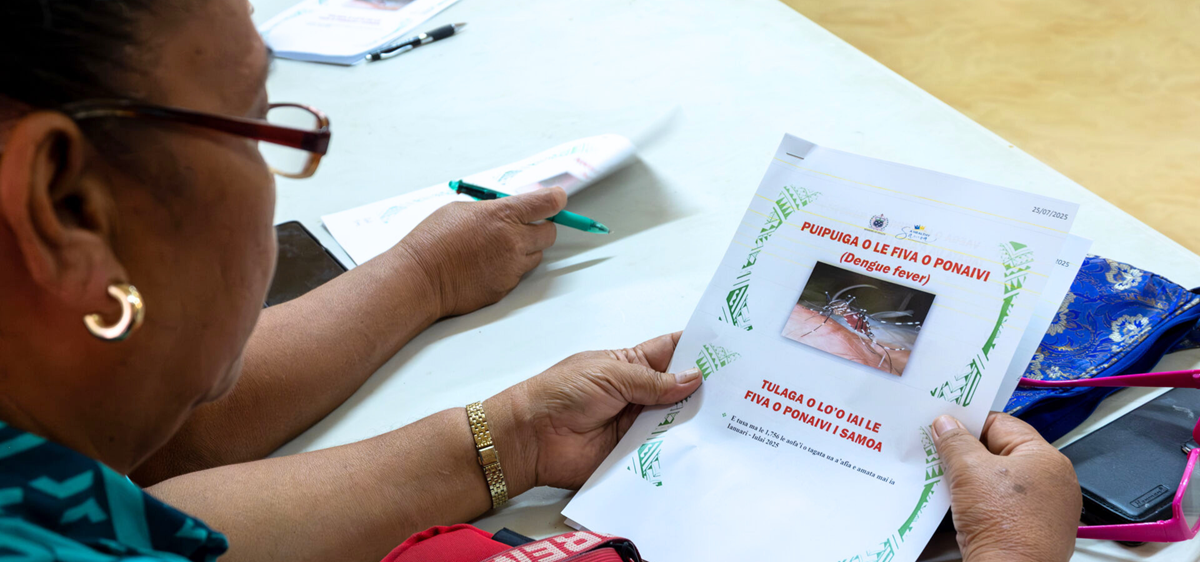
Arboviral diseases are a growing public health threat in the Western Pacific Region. The epidemiology of dengue, chikungunya, zika and other emerging arboviruses is evolving rapidly, driven by urbanization, population mobility, environmental change, and expanding density and distribution of mosquito vectors. Climate change further alters vector ecology, extends transmission seasons, increases geographic suitability for vectors, and places additional pressure on already stretched health systems.
Together, these factors contribute to more frequent and prolonged outbreaks, wider geographic spread and the emergence of arboviruses in areas with little or no previous transmission.
At the same time, advances in surveillance, diagnostics, vaccines and vector control provide new opportunities to strengthen prevention, readiness and response. Maximizing the impact of these tools requires coordinated action across disease programmes and sectors, supported by strong surveillance, resilient health systems and sustained community engagement.
This virtual side eventat the seventy-seventh session of the WHO Regional Committee for the Western Pacific (RCM77) provides an opportunity for Member States and partners to consider the evolving arbovirus landscape and share country experiences on emerging challenges, innovative approaches and strategic priorities. Discussions will inform the potential development of a Regional Action Plan to guide coordinated action on arboviral diseases in the Western Pacific Region.
Objectives
- Explore priorities for strengthened regional action on the prevention, preparedness and response to emerging arboviruses in the Western Pacific.
- Demonstrate the technical rationale for coordinated regional action on emerging arboviruses in the Region.
- Seek stakeholder perspectives on the potential value of a Regional Action Plan.
This event will be livestreamed on X, Facebook, YouTube and the RCM77 web page
