


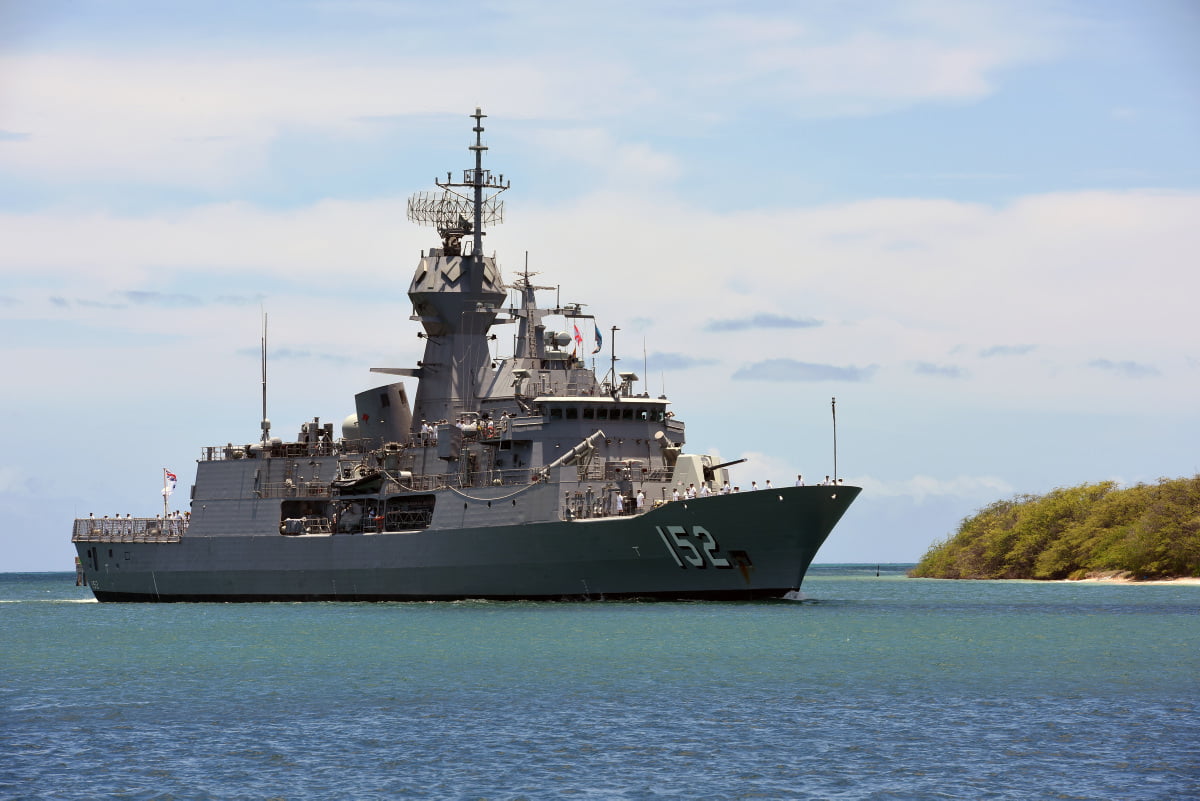
The biennial Rim of the Pacific (RIMPAC) exercise, the world’s largest combined and joint maritime exercise successfully concluded, July 31. RIMPAC 2026, the 30th iteration of the exercise, began June 24 and brought together 30 nations, more than 30,000 personnel, 30 surface ships, five submarines, and more than 197 aircraft under the theme, Partners: Integrated and Prepared. Throughout five weeks of realistic training, participating forces enhanced combined and joint interoperability, strengthened readiness, and reinforced the partnerships that support maritime security across the Indo-Pacific.
“No single nation can ensure security in the Pacific alone,” said U.S. Navy Vice Adm. Jeff Jablon, Commander, RIMPAC 2026 Combined Task Force. “The global maritime environment is too large and too complex for any one country to safeguard by itself. RIMPAC gives us the chance to build the trust and relationships that make us stronger long before any crisis happens.”
The exercise also coincided with the U.S. Navy’s 250th anniversary, underscoring the enduring partnerships that continue to strengthen security across the Pacific. For 250 years, the U.S. Navy has worked alongside allies and partners to promote maritime security by building relationships founded on trust, cooperation, and shared values. RIMPAC puts those principles into practice by providing a venue where participating forces train together, improve interoperability, and strengthen the relationships that enable combined and joint operations.
“The network of allies and partners in the region is an asymmetric advantage,” Jablon said. “The work participating nations do at RIMPAC builds the combined and joint ability to deter conflict and supports all nations in exercising their sovereign rights and freedoms in the maritime domain.”
RIMPAC was conducted in three phases. During the in-port phase, participants established multinational command relationships, planned operations, and strengthened partnerships through professional exchanges, cultural events, and sporting competitions
During the at-sea phase, participating forces executed complex combined and joint training, including anti-submarine warfare, maritime strike, integrated air and missile defence, amphibious operations, and logistics. The exercise concluded with a free-play scenario in which opposing forces reacted dynamically to one another in order to evaluate the force’s combined and joint maritime capabilities
Throughout the exercise, participating forces executed more than 500 maritime training events, flew more than 2,400 sorties, and responded to more than 5,000 scenario-based operational problem sets. The realistic training strengthened combined and joint readiness while improving participants’ ability to operate together across all domains
“Interoperability is something we must continue to develop,” said Japan Maritime Self-Defense Force Rear Adm. Takuo Kobayashi, Vice Commander, RIMPAC 2026 Combined Task Force. “RIMPAC brings together allies and partners committed to strengthening security and stability across the region. The daily conversations, shared experiences, and personal relationships developed throughout the exercise strengthen our ability to respond together, whether supporting maritime security or assisting communities following a disaster.”
