


South Carolina health officials confirm 2 West Nile virus cases in Myrtle Beach
Tue, August 4, 2026 at 5:29 PM
UpdatedTue, August 4, 2026 at 5:33 PM
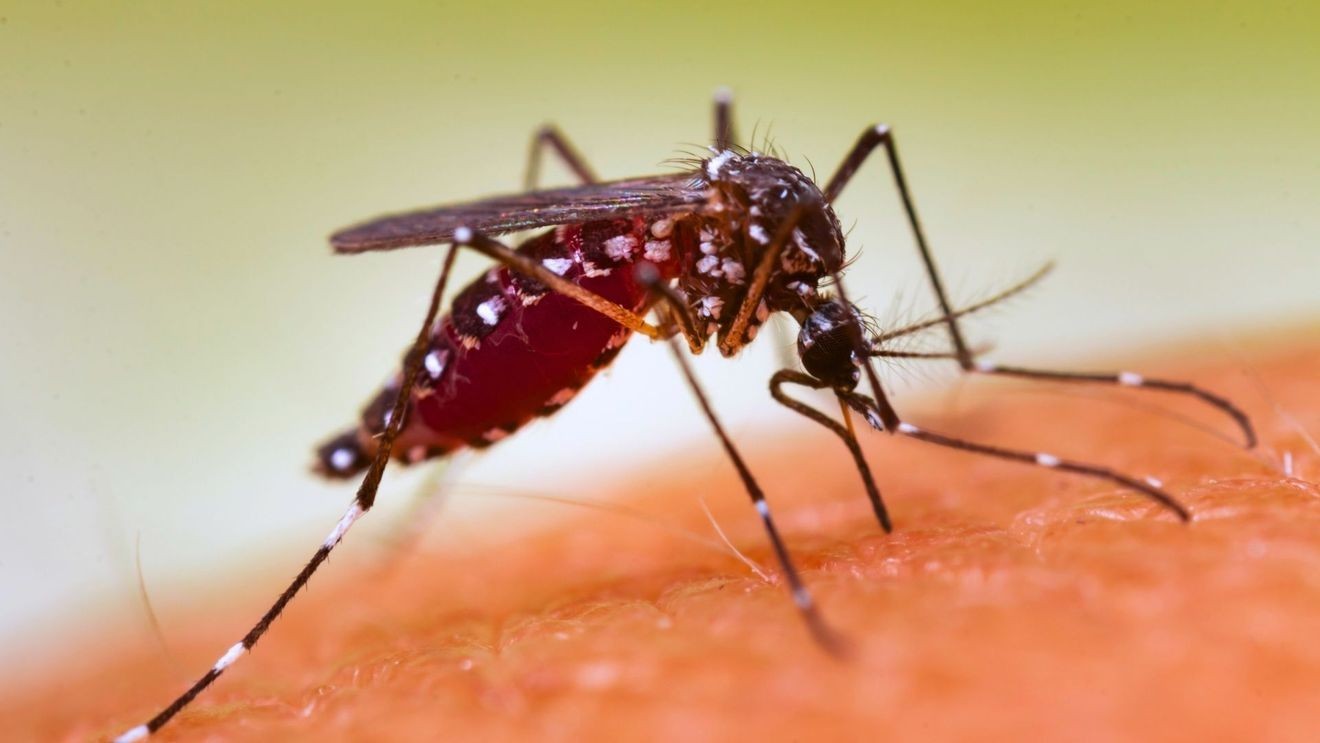
The South Carolina Department of Public Health confirmed two cases of West Nile virus in Myrtle Beach on Tuesday, Aug. 4, prompting increased mosquito control efforts by the city. (FILE)
The South Carolina Department of Public Health confirmed two cases of West Nile virus in Myrtle Beach on Tuesday
In response, City of Myrtle Beach spokesperson Meredith Denari said the city is increasing mosquito control efforts throughout Myrtle Beach
According to city officials, crews are intensifying aerial spraying to target adult mosquitoes, treating standing water with larvicide briquettes and assisting the Department of Public Health with mosquito trapping for testing and surveillance
The city’s weekly mosquito spraying program began in May and continues throughout mosquito season
City officials said residents can help reduce mosquito populations around their homes and protect themselves from mosquito bites by following Department of Public Health recommendations:
- Eliminate standing water in flowerpots, toys, buckets, gutters, pet bowls, pool covers, old tires and other containers where mosquitoes can breed.
- Apply insect repellent containing DEET, picaridin, oil of lemon eucalyptus or IR3535 according to label directions.
- Wear clothing that reduces exposed skin when outdoors.
- Limit exposure during peak mosquito activity, particularly in the early morning.
- Keep doors and windows fitted with tight screens to prevent mosquitoes from entering homes.
City officials encouraged residents to remain vigilant and take simple precautions to reduce the risk of mosquito bites during the remainder of mosquito season
Health officials said West Nile virus is spread through the bite of an infected mosquito and is not spread from person to person. Most people infected with the virus do not develop symptoms. About 1 in 5 people who become infected develop an illness within two to 14 days that may include fever, headache, joint pain, muscle pain and, in some cases, nausea and vomiting. Health officials said the risk of serious illness remains low
For more information about West Nile virus, visit the South Carolina Department of Public Health website
