


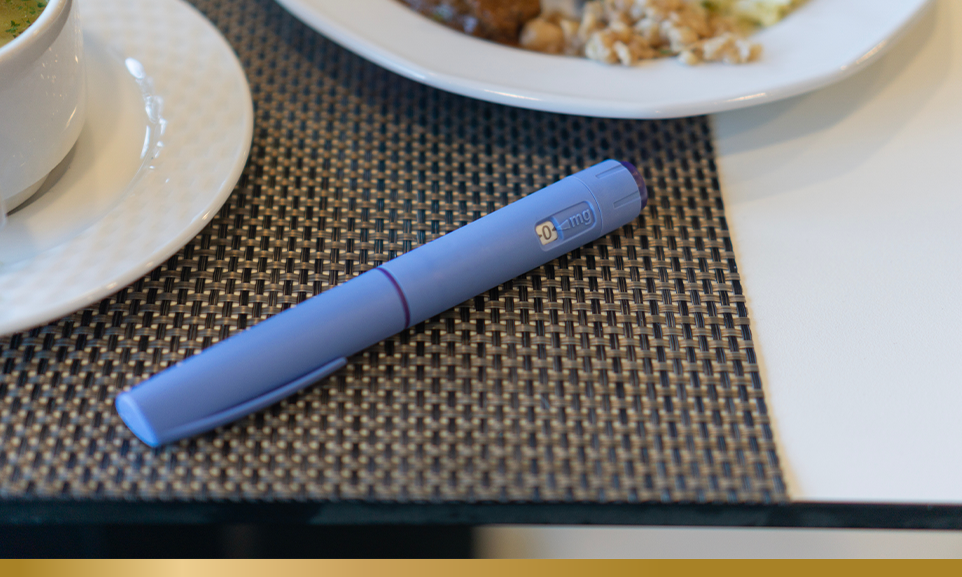
A new study published in The BMJ has added to existing evidence of a link between weight loss drugs and hair loss, finding that patients taking GLP-1 receptor agonists had a modestly higher risk of developing non-scarring alopecia than those prescribed other diabetes medicines
The findings
Researchers from the University of Pennsylvania analysed electronic health records from more than 23,000 adults with type 2 diabetes using a target trial emulation design
Compared with patients initiating SGLT-2 inhibitors or DPP-4 inhibitors, those starting GLP-1s experienced a higher incidence of clinically recorded alopecia. After adjustment for baseline differences, GLP-1 users had a 37% higher risk than SGLT-2 inhibitor users and a 68% higher risk than DPP-4 inhibitor users. The researchers emphasised, however, that the absolute risk remained low
Unlike previous reports, which have largely been based on post-marketing reports and FDA safety monitoring, the researchers used active comparator groups and multiple sensitivity analyses to minimise bias, providing more robust real-world evidence
The mechanism
Interestingly, while the study identified an association, the researchers found the increased risk was primarily limited to non-scarring alopecia, which is often temporary and associated with rapid weight loss or metabolic stress
According to the authors, the findings are more likely to reflect the physiological changes accompanying significant weight loss, including reduced calorie intake and potential nutritional deficiencies, than a direct effect of GLP-1 medicines on hair follicles
Yong Chen, Professor, University of Pennsylvania and the study’s corresponding author, said the findings support a more tailored approach to counselling patients starting GLP-1 therapies
“This supports more individualised counselling and surveillance rather than a generic message that weight loss itself inevitably causes hair loss,” Chen told Reuters
The implications
As GLP-1 therapies continue to expand beyond diabetes into obesity treatment, the findings may help clinicians better prepare patients for potential side effects while reinforcing the overall benefit-risk profile of the medicines
Although hair loss is not considered medically serious, the researchers noted that it can affect quality of life, treatment satisfaction and adherence, making it an important consideration as GLP-1 therapies move into long-term use
The authors also stressed that the observational study cannot establish a causal relationship between GLP-1 therapies and alopecia. They called for further research to determine whether the association is driven primarily by weight loss, nutritional changes or other biological mechanisms
Author:
Isabel O’Brien
