


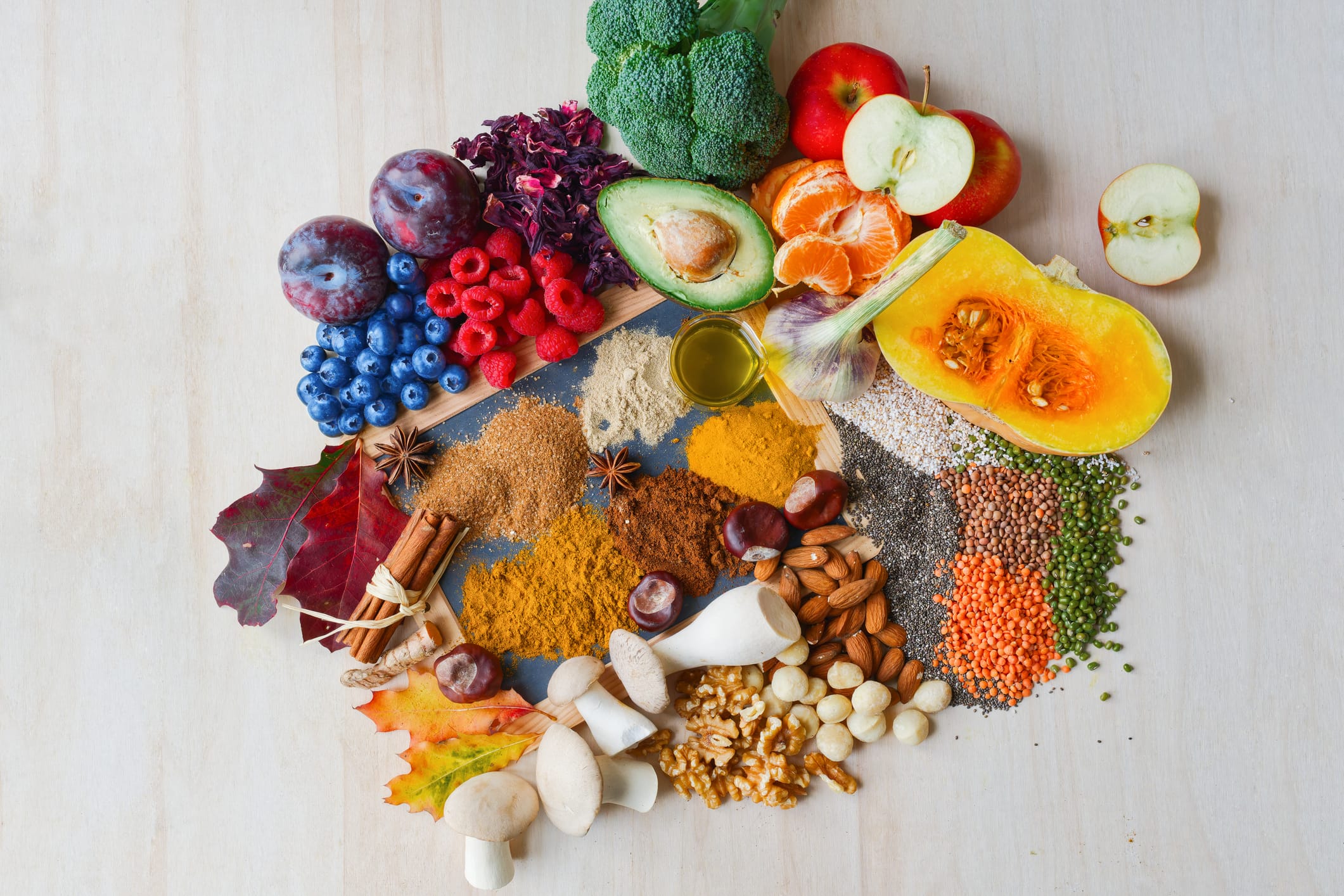
Patient interest in anti-inflammatory diets is at an all-time high. But there’s debate as to how far nutrition can go in modifying the course of rheumatic diseases
Patients with spondyloarthritis (SpA) may be especially impacted by overblown diet claims, reaching for these modifications in the hopes of improving their condition and avoiding disability.1 Part of the draw is that despite advances in precision medicine, concerns about medication safety and efficacy leave many looking for answers in the kitchen.1 However, there are limits on what the current literature actually substantiates about SpA and diet
To help sort out anti-inflammatory diet fact from fiction, we spoke to Destini Moody, a dietitian from VNutrition, and Nayimisha “Misha” Balmuri, MD, a pediatric rheumatologist at Johns Hopkins Children’s Center
The Gut-Joint Axis and the Risk for SpA
“The gut–joint axis describes the interaction between the intestinal immune system and joint inflammation,” Dr Balmuri explained. “This axis’s role has recently been recognized in spondyloarthropathies, including juvenile idiopathic arthritis enthesitis-related arthritis [JIA-ERA], a disease that pediatric rheumatologists, like myself, treat.”
“Interestingly, patients with spondyloarthropathies can have subclinical gut inflammation and alterations in the gut microbiome, which may contribute to systemic immune activation through cytokine pathways such as [interleukin-17 and tumor necrosis factor]. Patients with inflammatory bowel disease and celiac disease have an increased risk of developing inflammatory arthritis. While the gut-joint axis is biologically plausible and supported by animal and human studies, it is important to remember that this axis is not the sole driver of inflammatory joint disease,” she explained.
In a recent causal analysis, Li et al identified 10 bacterial traits linked to the risk for ankylosing spondylitis (AS).2 The following 4 species were associated with a higher risk for AS:
- Actinobacteria (class)
- Streptococcaceae (family)
- Enterorhabdus (genus)
- Ruminococcaceae NK4A214 group (genus)
Additionally, 6 types of bacteria appeared protective against AS risk, including:
- Lactobacillaceae (family)
- Rikenellaceae (family)
- Anaerotruncus (genus)
- Eubacterium oxidoreducens group (genus)
- Howardella (genus)
- Oscillibacter (genus)
“According to studies that explored subjects who were both healthy and diagnosed with spondyloarthritis, or SpA, there may be a possibility of a connection between the gut and the inflammatory condition,” said Moody. “For example, those with SpA were more likely to have a larger population of proinflammatory bacteria in the microbiome compared to beneficial bacteria, which could make the gut more vulnerable to inflammation and dysfunction.”
“This inflammation can also cause increased permeability in the gut, which can cause the release of immune molecules that may exacerbate inflammatory conditions like SpA by traveling to the joints. However, the studies cited mention that, though the gut can play a role in aggravating the pathological inflammation, it is unlikely to influence symptoms on its own in any significant capacity,” advised Moody
My current stance on diet and autoimmunity is that nutrition plays a supportive role in modulating inflammation and overall immune health. Diet should be viewed as one component of a comprehensive management plan rather than a curative intervention
Diet as a Form of Adjunct Therapy
Gut dysbiosis and intestinal permeability are common features among patients with spondylitis and other rheumatic diseases.1 Gut-derived inflammation is believed to play a role in the bidirectional relationship between SpA and Crohn disease.3 Microscopic gut inflammation is found among approximately half of patients with AS, and between 5% and 7% of individuals with AS also have inflammatory bowel disease. Gut inflammation has also been linked to the progression of nonradiographic axial spondylitis to AS, along with edema in the bone marrow and sacroiliac joints.4
Researchers have identified the bacterial strain Klebsiella pneumoniae as a common driver of heightened inflammation and AS progression.1 Starch-restricted diets may effectively reduce gut populations of K pneumoniae (and their inflammatory metabolites), suggesting there are potential therapeutic benefits of specific dietary changes.1 In addition, low-starch diets have been shown to strengthen the intestinal barrier and may reduce systemic inflammation.1
However, Dr Balmuri maintains some skepticism. “My current stance on diet and autoimmunity is that nutrition plays a supportive role in modulating inflammation and overall immune health,” she said. “Diet should be viewed as one component of a comprehensive management plan rather than a curative intervention. There is some evidence that diets, particularly the Mediterranean diet, can modestly reduce inflammatory markers and support overall health, likely through beneficial effects on the microbiome. However, current research does not support diet as a replacement for pharmacologic therapy but rather as an adjunct to medications.”
Moody added, “The studies that suggest diet could influence SpA’s pathology are not very robust. Practitioners may be curious about the introduction of probiotic foods like kimchi, kombucha, and yogurt to introduce more anti-inflammatory bacteria to the gut. However, the effectiveness of this intervention is not consistent across the literature.”
“As for a high-fiber, gut-healthy diet, that may be more beneficial, but so is an anti-inflammatory diet in general for most individuals,” Moody explained. “This is because this diet pattern has been associated with a decreased risk in all types of chronic disease, from SpA to diabetes to Alzheimer’s, with the mechanism of action being the reduction of chronic inflammation. As of now, however, there is not enough reliable evidence to support diet as an adjunct treatment, though it should be adopted as an accompaniment to traditional therapies for synergy.”
Practical Tips for Counseling Patients
Previous research has linked lower gut diversity to higher disease activity in AS.4 While patients may be more inclined to uncover helpful dietary restrictions, encouraging consumption of a wider variety of nutritious, natural foods may be a more sustainable approach
Dr Balmuri follows this approach. “In clinical practice, I do provide general, sustainable dietary recommendations rather than strict or highly restrictive plans. I typically encourage a balanced diet rich in fruits, vegetables, whole grains, and omega-3 fatty acids, and introduce the Mediterranean diet, while advising reducing ultraprocessed foods and excess sugar. In pediatric populations such as JIA-ERA, I am especially cautious about avoiding unnecessary dietary restrictions that could impair growth or lead to nutritional deficiencies,” she explained.
In addition, providers should remember that subclinical intestinal inflammation in AS may not produce noticeable symptoms. Even in patients with no digestive complaints, underlying gut inflammation has been associated with spinal inflammation and AS disease progression.5
“Common questions and myths from patients often include the belief that diet alone can cure inflammatory arthritis, specifically that eliminating gluten or dairy universally always reduces inflammation, or that sugar alone directly causes disease flares,” said Dr Balmuri. “Current evidence shows that such interventions are only beneficial in specific contexts, for example, eliminating gluten for arthritis in people who have celiac disease, and not as general treatments for inflammatory arthritis. Moderation is always best,” she emphasized. “It’s important to record any patterns that are noted with certain foods and arthritis symptoms to discuss with the treating rheumatologist.”
Future Directions for the Gut, Spine, and Beyond
The future of SpA is likely to be a shift from “trial and error” to a tailored approach based on unique patient characteristics. By harnessing the power of artificial intelligence, large datasets may be translated into “microbiome signatures” that enable providers to create highly specific treatment goals and strategies. A combination of immune therapies and dietary recommendations to balance the gut may be a key feature of this targeted strategy.5 Though promising, we’re not quite there yet.
This article originally appeared on Rheumatology Advisor
- Kupczyk D, Bilski R, Szeleszczuk Ł, Mądra-Gackowska K, Studzińska R. The role of diet in modulating inflammation and oxidative stress in rheumatoid arthritis, ankylosing spondylitis, and psoriatic arthritis. Nutrients. 2025;17(9):1603. doi:10.3390/nu17091603
- Li Z, Pei J, Ruan J, Cui H, Li S, Jian T. Affinity between gut microbiota and ankylosing spondylitis: insight from causal analysis. Published online January 31, 2026. doi:10.1093/femsle/fnag016
- Mauro D, Cai B, Ciancio A, et al. The role of the gut and intestinal dysbiosis in the pathogenesis of spondyloarthritis. Joint Bone Spine. 2025;92(6): 105923. doi:10.1016/j.jbspin.2025.105923
- Jeong H, Seo H, Kim S, et al. Alterations in the gut microbiome in ankylosing spondylitis and their correlation with disease activity. J Microbiol Biotechnol. 2025;35:1-14. doi:10.4014/jmb.2508.08043
- Zhang X, Jia L, Lin X, Zhou L. The gut-bone axis in ankylosing spondylitis: mechanistic insights and the translational gap. Clin Exp Med. 2025;26:12. doi:10.1007/s10238-025-01939-x
