


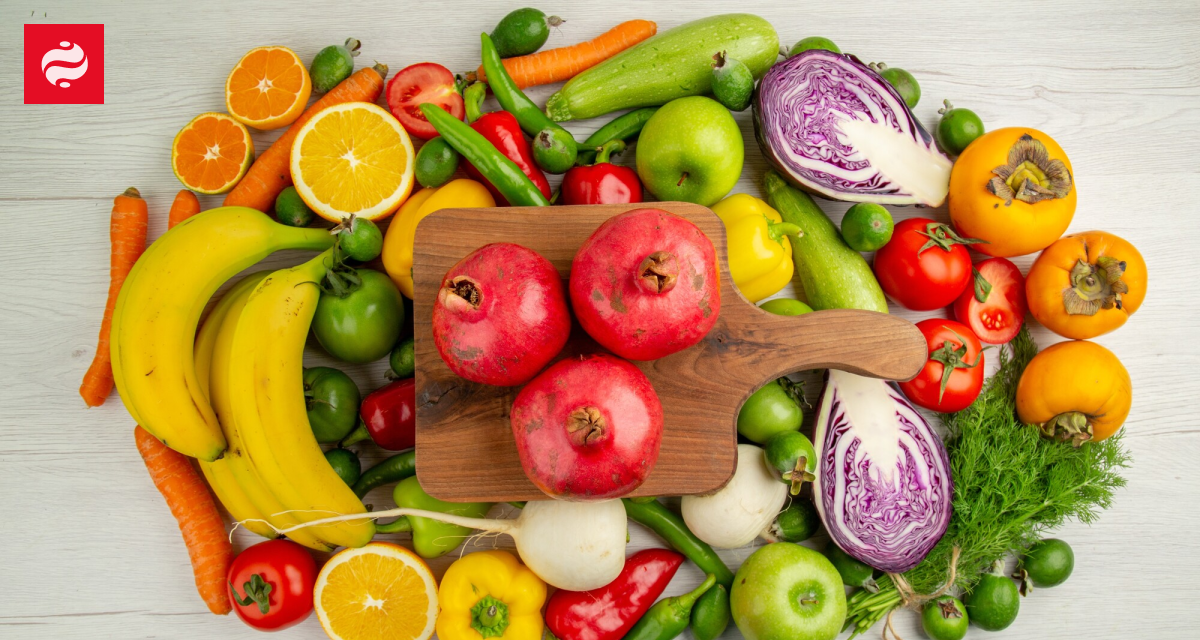
A trend called the “three-color rule” is gaining popularity on TikTok, which involves including at least three brightly colored plant-based foods in every meal. Nutritionists consider this approach beneficial for a balanced diet and note that it can help with weight loss and broaden the range of nutrients in one’s diet. About this writes Healthline
A review of scientific studies published in 2022 showed that a diet rich in colorful plant-based foods is associated with improvements in a number of indicators related to obesity and cardiovascular disease, including:
waist circumference
cholesterol level
See also
Natural “Ozempic”: Can Fiber Replace Weight-Loss Injections? Doctors Explain
Nutritionist Michelle Rutenstein says that including at least three different-colored plant-based foods in your meals can increase the variety of your diet and provide an additional intake of fiber, water, and bioactive compounds that promote satiety and gut health
This approach increases the volume of the meal and its nutrient density, making it easier to control calorie intake without strict counting, which can contribute to weight loss and long-term metabolic health. In addition, fruits and vegetables of different colors contain various vitamins, minerals, and plant compounds known as phytonutrients
What do the different colors of the products mean?
- Red: Key nutrients – lycopene and vitamin C (examples: tomatoes, strawberries, red peppers)
- Orange and yellow: key nutrients – beta-carotene and vitamin A (examples: carrots, oranges, pumpkin)
- Green: key nutrients – folate, vitamin K, and fiber (examples: broccoli, spinach, green beans)
- Blue and purple: key nutrients – antioxidants and anthocyanins (examples: blueberries, blackberries, eggplant)
- White and beige: key nutrients – potassium and fiber (examples: onions, garlic, cauliflower)
“Color is an indicator of a product’s nutritional value. The more intense the shade, the more beneficial it is. That’s why we see so many studies on the benefits of coffee, dark chocolate, berries, cruciferous vegetables, leafy greens, tomatoes, cranberries, and so on. They’re rich in color – and therefore rich in phytonutrients,” says nutritionist Christine Kirkpatrick
Over time, a varied, colorful plant-based diet can help:
increase fiber intake
boost your energy levels
support heart health
boost the immune system
improve digestion
However, Rutenstein noted: “Color alone does not make a meal balanced. It may be very colorful, but it may not contain enough protein, fiber, or healthy fats, which are essential for heart health, stable blood sugar levels, weight management, adequate nutrient intake, and a lasting feeling of fullness.”
How to take vitamin D properly, what to combine it with, under what circumstances its effectiveness may be reduced, and what role magnesium plays. LIGA.net explains the key aspects and signs of a potential shortage
healthy eatingnutritionthree-color rule
