


Exclusive
‘Three decades of failure’: 7.2 million more adults now living with obesity despite 14 government strategies
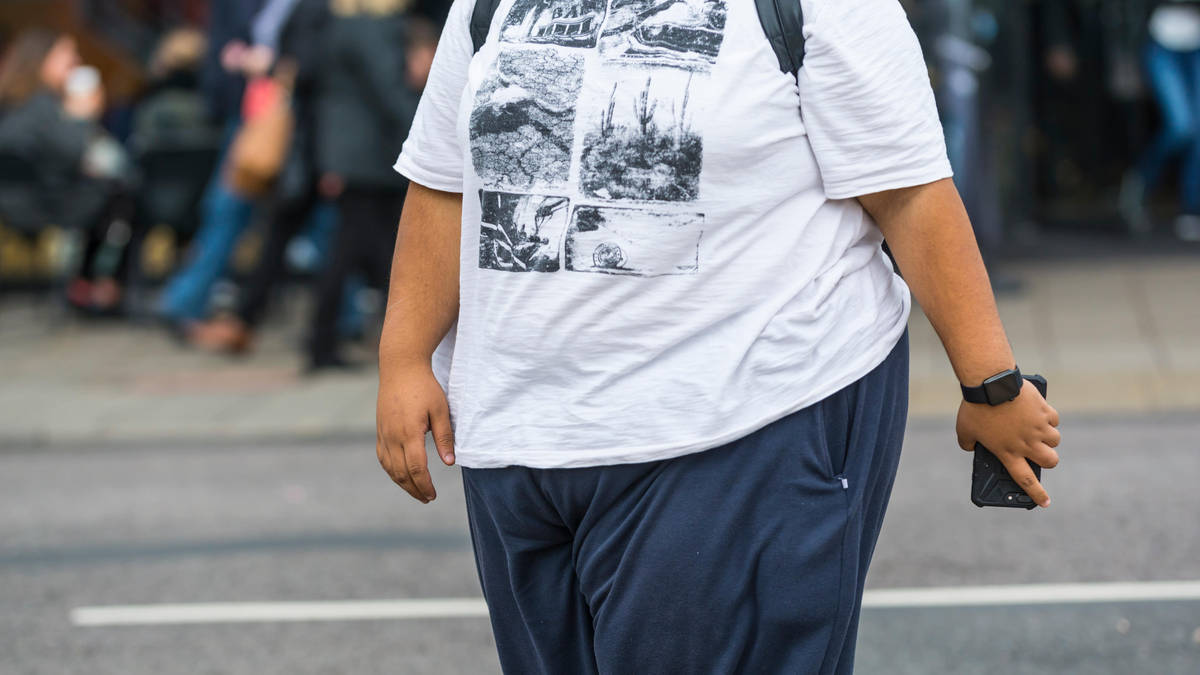
There are now 14.3 million adults in England classed as obese or severely obese
7 Aug 2026, 06:00
| Updated: 23m ago
Share
Want LBC stories before everyone else? Set us as your Preferred

Picture:
Alamy
An extra 7.2 million adults in England are now living with obesity compared to 30 years ago, according to new analysis shared exclusively with LBC, which warns successive governments have failed to tackle the country’s growing “obesity timebomb”
Loading audio…
The report, published by The King’s Fund, says obesity rates have continued to climb despite 14 national strategies being introduced since 1992, leaving millions more people at greater risk of serious illness
Dave Buck, Senior Fellow for Public Health at The King’s Fund, said: “For more than three decades successive governments of all stripes have talked the talk on obesity but have not sufficiently walked the walk
“After 14 national strategies, millions more people are living with obesity than would have been the case if governments had taken more effective action, with real consequences for people’s health, family life, work and the NHS.”
There are now 14.3 million adults in England classed as obese or severely obese
Read more:More than 200 deaths with suspected weight-loss jabs links reported to regulator
Read more:Mounjaro could slash heart attack risks for diabetes patients, study suggests
Picture:
Alamy
The analysis compared obesity rates in 2024, the latest year for which full data is available, with those recorded in 1993, the year after the first national obesity strategy was published
It found the proportion of adults living with obesity or severe obesity has doubled over that period, rising from 15% to 30%. Based on England’s current population, that equates to 7.2 million additional adults living with obesity
The report also highlights a sharp rise among younger adults. In 1993, just 6% of 16 to 24-year-olds were classed as obese or severely obese. By 2024, that figure had tripled to 18%
The findings come as ministers look to expand access to a new generation of weight-loss drugs, known as GLP-1 medicines, through the NHS. Millions of people have already paid privately for the drugs, which have been shown to help patients lose significant amounts of weight
But The King’s Fund warned the medications should not be viewed as a “silver bullet”, arguing they must form part of a much broader strategy to tackle the root causes of obesity rather than replace long-term prevention
Buck said: “New weight-loss drugs could make a real difference for some people, but they are not a silver bullet
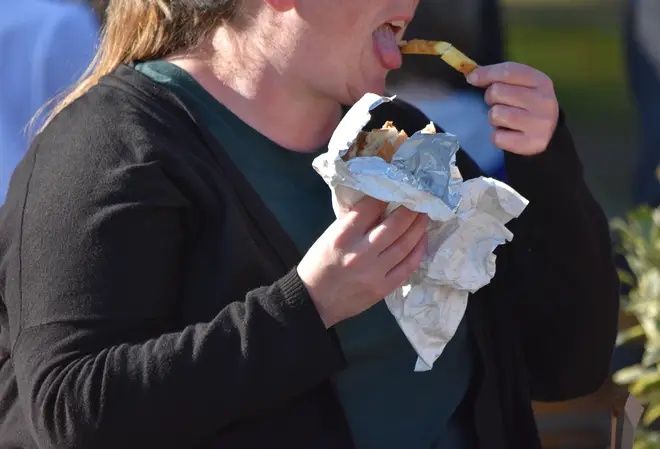
“They should be seen as a complement to, not a substitute for, longer-term preventive measures that address the fact the everyday food environment makes it far too easy for people to become unhealthy
“This would avoid a short-term ‘sugar rush’ of a wider GLP-1 rollout, which should be treated as part of a broader effort to tackle obesity.”
The think tank also warned ministers must ensure people who would benefit most from the drugs are not priced out of accessing them, saying unequal access risks widening health inequalities
Instead, it is urging the government to press ahead with plans outlined in its 10-Year Health Plan, including introducing mandatory healthy food standards for major supermarkets and food retailers
Researchers argue that because around 80% of the calories consumed in England come from large food retailers, relatively small changes to the food people buy every day could have a significant impact on obesity levels across the population
The report also says England’s devolution agenda presents a major opportunity to improve public health
Giving mayors and strategic authorities greater responsibility for health, alongside powers over transport, housing, employment and regeneration, could help tackle the wider factors that contribute to obesity
It points to restrictions on advertising foods high in fat, salt and sugar on London’s public transport network, later adopted in Greater Manchester, as an example of the type of local policy that could be rolled out more widely
Buck added: “The government now has a chance to stop repeating past mistakes
“That means making healthier food easier and more affordable, holding supermarkets and food companies to account, and using new powers for local leaders to improve health in their communities
“Ministers need to move from warm words to action – to walk the walk, not just talk the talk, on obesity policy.”
A Department of Health and Social Care spokesperson said: “Obesity is one of the biggest drivers of ill health in this country, costing the NHS billions of pounds every year
“That’s why we’re making weight loss jabs available through the NHS, so those with the greatest need can receive those treatments, not just people who can pay privately
“But we’ve always been clear that those drugs are only one part of a much broader plan to tackle obesity, including tackling the promotion of less healthy food and drink, and encouraging healthier options and exercise.”
